As a senior traveler, traveling in comfort often trumps a fully packed itinerary. It’s the same while traveling as a retiree in Egypt. But instead of taking long drives from one city to the next, and unpacking and repacking every day or two, a cruise is one of the most senior-friendly ways to see Egypt, or part of it. You simply unpack once, and the ship becomes your hotel and your transport, while sightseeing happens in small bursts.
What to expect on a Nile cruise?
A Nile cruise covers part of the trip in Egypt, basically an approximately 200 km journey from Luxor to Aswan, or vice versa, and includes full board (meals) as well as the services of a local guide. They can range from 4 to 5 days and are the perfect reminder of Hercule Poirot in Death on the Nile. Sight seeing is usually scheduled in the early part of the morning from 8 am to noon, so that you can spend the afternoons lazing around the sundeck with a cool cocktail in hand instead of walking around sweating in the Egyptian sun.
Sites Cruises stop at in Luxor (East and West Bank)
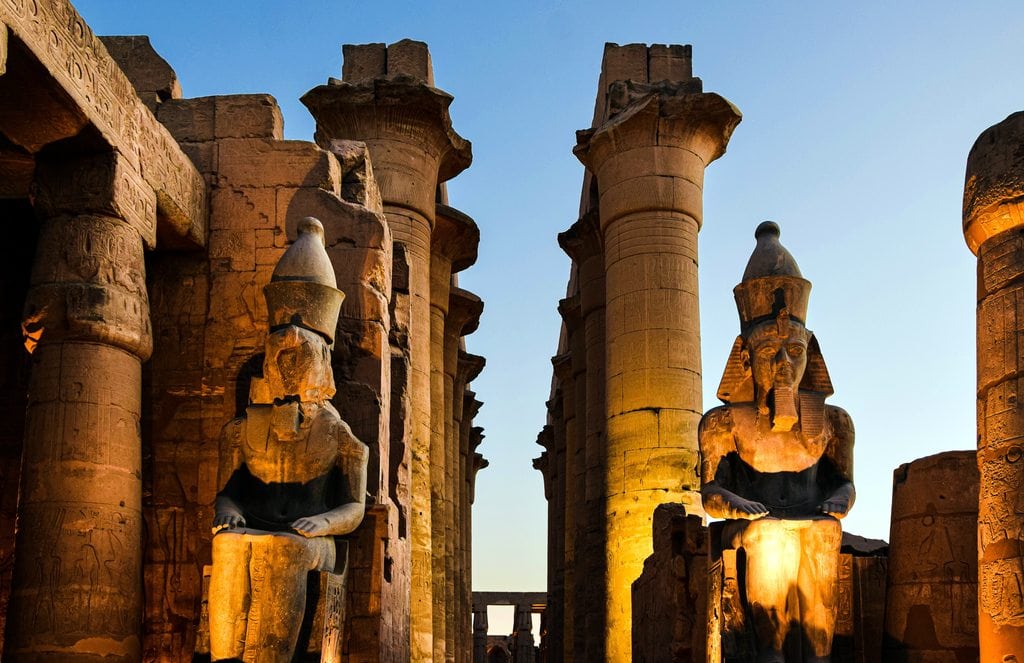
Luxor has so much ancient history to see that you could easily spend a few days here. But if you had to be picky, the most important to see are the Karnak Temple and the Luxor Temple. Karnak is the largest ancient religious complex in the world, famous for its Hypostyle Hall of 134 columns. And the Luxor Temple with its Pharaoh statues still intact, is best visited in the late afternoon or evening when it’s lit up. The colors are magnificent.
Some Egypt Tours give you the option of visiting the Valley of the Kings, where you can see King Tut’s tomb as well as more than 60 other royal tombs. Some of these tombs have a lot of steps, so if you need to sit this one out, it’s okay.
Another place you can visit while in Luxor are the Valley of the Queens, which isn’t as crowded as the Valley of the Kings, and is also home to Nefertari’s tomb.
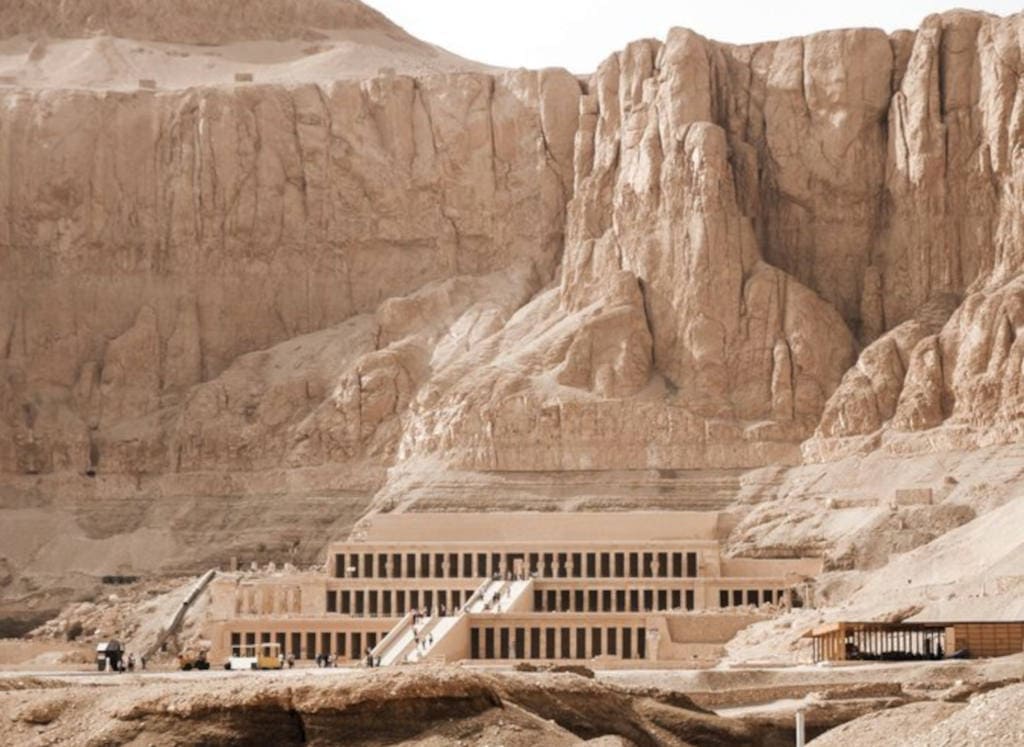
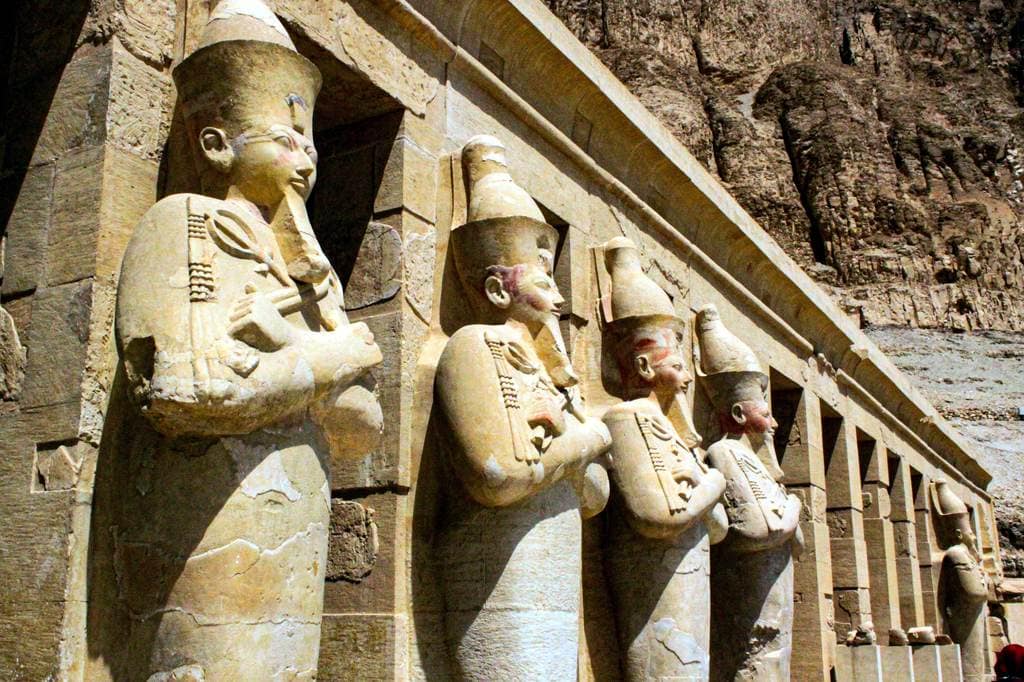
Want to fit in more sightseeing? Visit Hatshepsut’s Temple, a mortuary temple on the West Bank, or the Dendera Temple complex near Qena that has reliefs with so many intricate details still perfectly preserved. And then the Colossi of Memnon is an easy visit, especially if you have lower-mobility, because it can be seen from the road.
Sites Cruises stop at en route to Aswan
On the way from Luxor to Aswan, there are optional stops at Edfu to see the Temple of Horus, one of the best-preserved temples in Egypt. Or the double temple of Kom Ombo that’s dedicated to both the crocodile-headed god Sobek and the falcon-headed god Horus. (Remember that movie Gods of Egypt with Gerard Butler and Nikolaj Coster-Waldau? Yes, that one!)
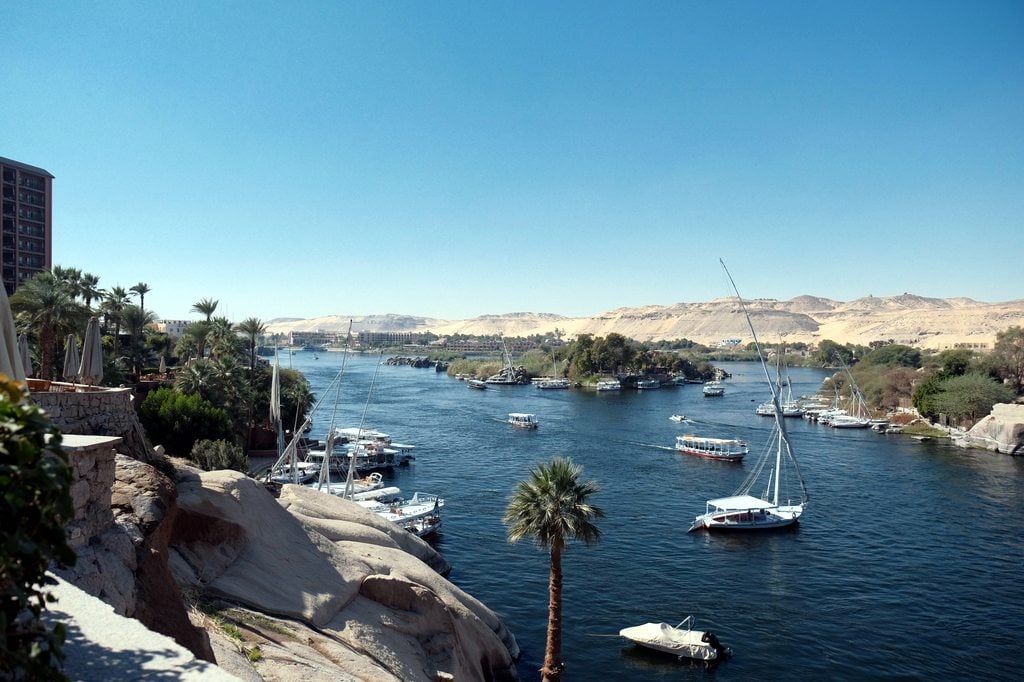
Sites Nile Cruises stop at in Aswan
Aswan is another major stop on cruises where you could see the Aswan High Dam that was built in 1970 and created Lake Nasser, or take a boat ride to the Philae Temple dedicated to Isis, on Agilkia Island.
Some select cruises such as the Travelmarvel Sirius have an included visit to Abu Simbel, which is really amazing since you have to take a flight to get to this UNESCO heritage site. Or if you prefer something closer, you have time to take a felucca ride at sunset, or visit a neighboring Nubian village.
Things to Remember
One thing to keep in mind is that this Nile cruise doesn’t need to be the whole itinerary. There are many travel companies that take you all the way from Cairo to Aswan and back. Some also combine cruises with land visits to Alexandria or flights to Jordan so you can also see Petra or Wadi Rum. Since you don’t have to rush back to work on the Monday you get back, why not see Jordan too and kill two birds with one stone?
When is the best time to go?
If you’re like me and turn red as a lobster in the sun, it’s best to avoid visiting Egypt in summer. The daytime temperatures are in the 30s and 40s°C. October to April has cooler weather in the 20–28°C range and is better for cruising in comfort.
What should retirees check before booking a Nile cruise?
Before booking any trip, it’s important to check a few things that will make life easier for you and your partner or spouse.
- Remember that not all cruise ships have elevators between decks. So, if you have difficulty walking, or want to avoid stairs, make sure to ask in advance before booking. One way to ensure you won’t have to tackle too many stairs is by asking for a cabin on the same deck as the dining room. Embarkation and disembarkation can also involve steps or crossing between boats moored side-by-side, but the crew is usually there to assist at this time.
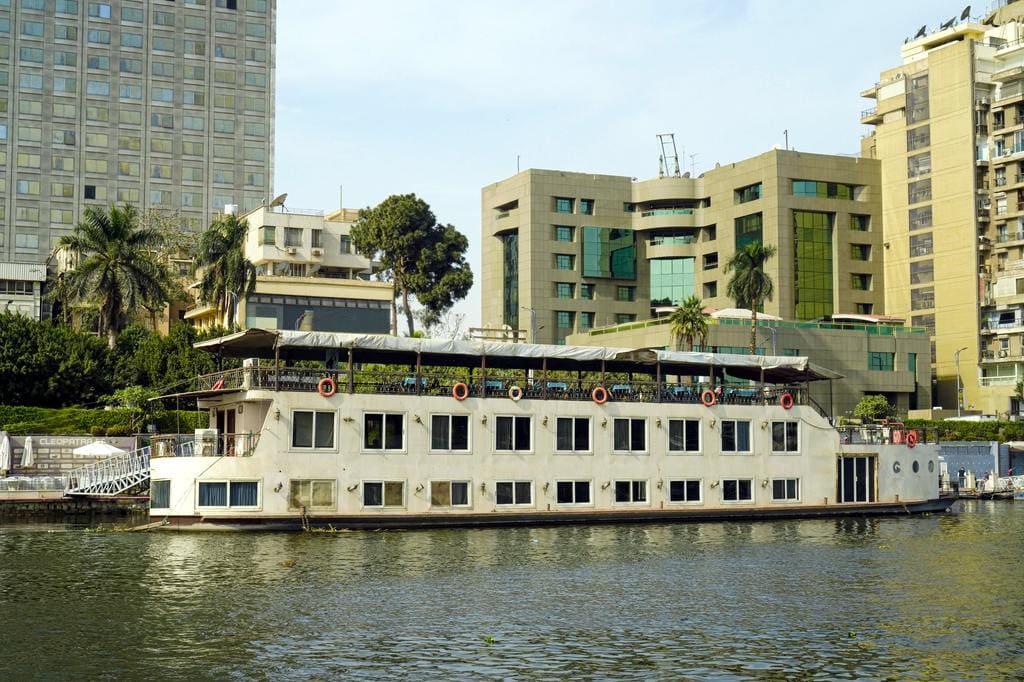
- Some travel operators run smaller traditional sailing boats called dahabiya that have a shallow draft and can stop at smaller riverbanks. With only about 3 to 12 cabins on board, they’re perfect if you want fewer stairs, and fewer people to interact with.
- When sightseeing, it’s okay to sit out part of a stop. Don’t think that just because you came all this way to see Tutankhamun’s tomb, you must go in. It’s okay to just take pics from outside and sit in a shady spot waiting for the rest of the group.
- A roasted duck suffering from sun stroke – that’s what you could turn into if you don’t carry sunscreen, or a wide-brimmed hat, or UV sunglasses. The Egyptian sun is really relentless, so don’t leave the ship without them.
- Treat the sailing time between stops as your built-in rest.
- It’s a good idea to disclose your mobility needs (stairs, standing, walking distance) to the tour operator while or after booking, so that they can make any cabin or floor changes necessary.
Another important thing to remember is that you need a visa to travel to Egypt. Although visa-on-arrivial is available at major airports (cash only payment), it’s much better to apply for an eVisa in advance from the Republic of Egypt eVisa portal.
As a senior-citizen or retiree, slow-travel is always the best way to see the wonders of Egypt, and what better way to do it than from comfort on a cruise of the Nile?
Other Posts you might like:
- What to do in Luxor
- Staying at a Nubian guest house
- Churches to visit in Egypt and other African countries