When you move into your first real home, the rooms tend to come together in the same order. Most people start with the bedroom, then the living room, then the kitchen. And the outdoor space, the patio, deck, balcony, or backyard, gets pushed to the end of the list with a vague plan to “deal with it later” once the weather turns.
For a lot of first-time homeowners, later doesn’t really come. The outdoor space becomes a storage area, or stays empty, or holds a single folding chair that someone brought home from a barbecue three years ago. It’s not that people don’t want to spend time outside. They just haven’t set it up in a way that makes using it feel natural.
Why Younger Buyers Are Prioritizing Outdoor Space
Younger buyers are putting a lot more weight on outdoor space than they used to. A 2025 survey of home buyers found that limited outdoor space ranked among the top deal-breakers for prospective buyers overall, with 33% citing it as a deterrent when evaluating a property. That’s a big deal for buyers who are already stretching their budgets on nearly everything else.
New homes are also getting smaller. The median new home size dropped from 2,200 square feet in 2023 to 2,150 square feet in 2024, the lowest in 15 years, with builders adding porches and patios to compensate for reduced interior square footage. Builders are treating patios and porches as extensions of the home rather than leftover outdoor areas. Without furniture, that extra living space often goes unused.
As outdoor areas become a bigger part of everyday living, it makes sense to treat them like any other room in the house rather than leaving them empty for months, or even years.
Why Outdoor Spaces Get Left Behind
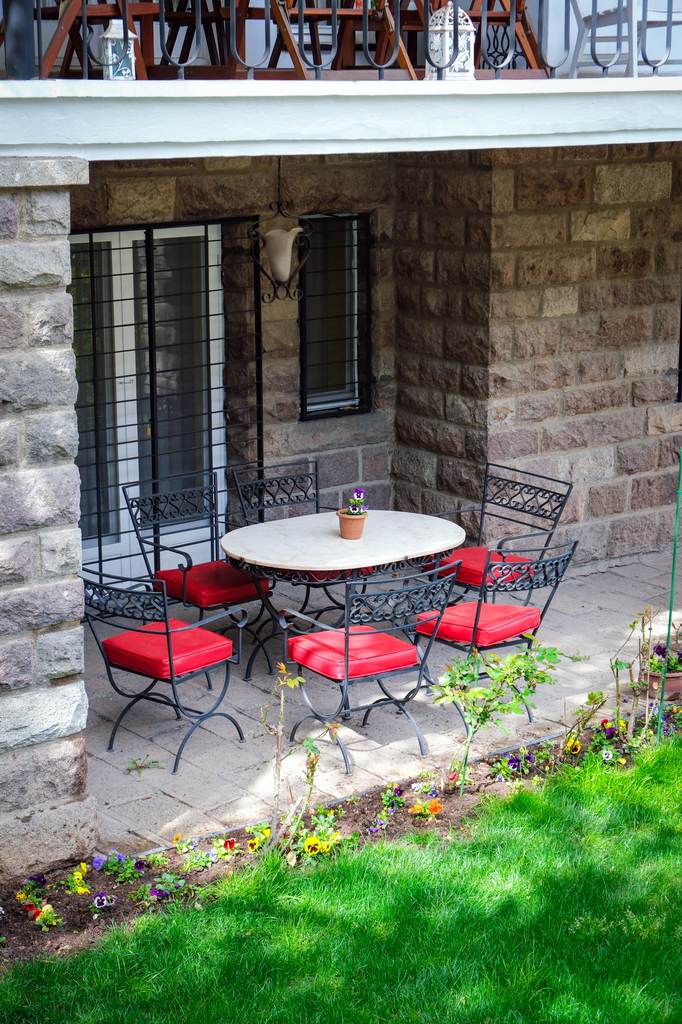
Outdoor furniture usually gets treated as an afterthought — something to grab cheap or improvise, not something worth planning for.
The result is usually the same: plastic table and chair sets that fade after a few summers or cushions that never quite dry out after it rains.
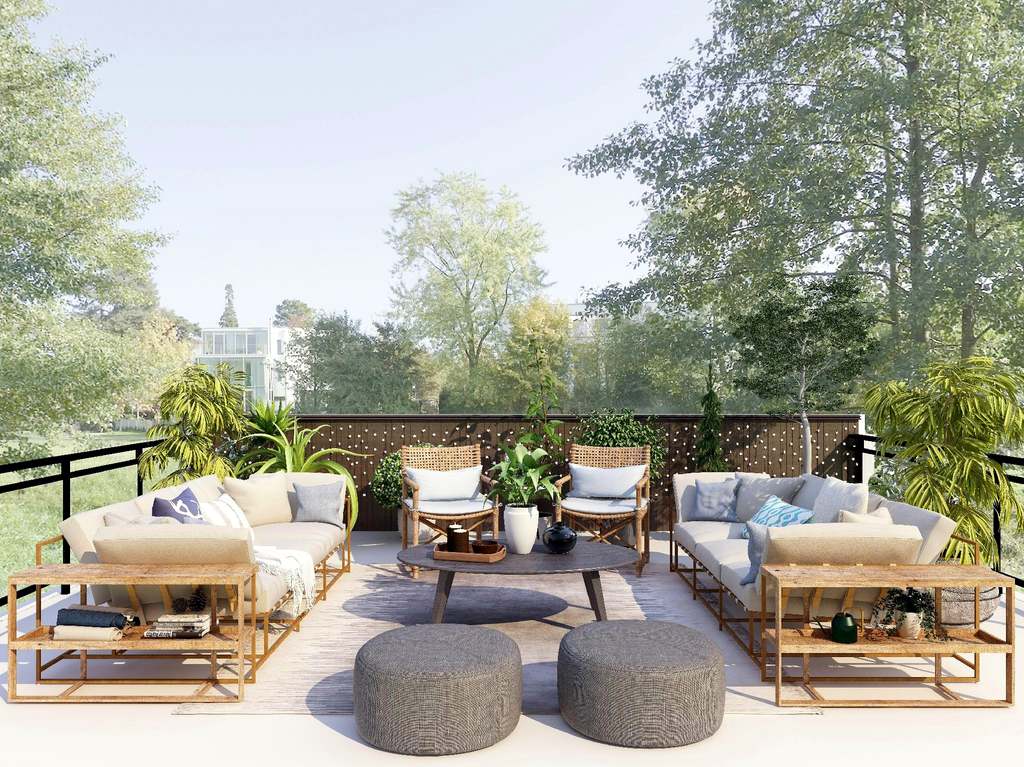
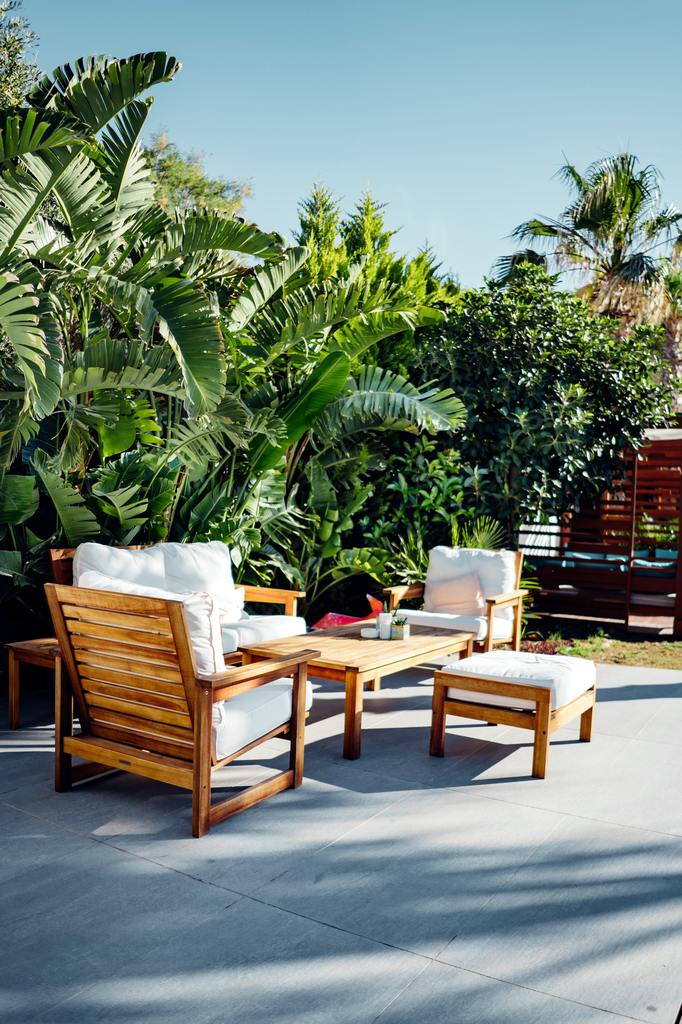
A well-made outdoor sofa in a weather-resistant frame, paired with a table and two or three chairs in materials that hold up to seasonal exposure, creates a space people actually want to sit in. Quality outdoor furniture built from teak, powder-coated aluminum, or solution-dyed fabric does not need to be replaced on a two-year cycle, so the higher price tag pays for itself over a few years.
What Changes When This Outdoor Space Gets Used
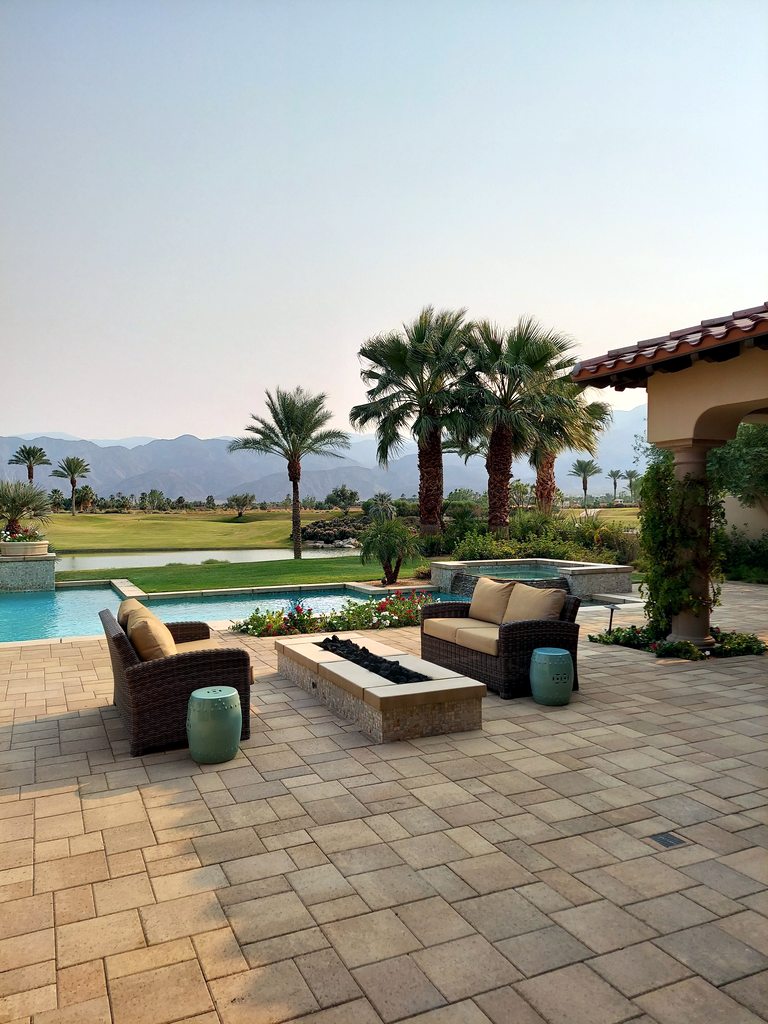
You’ll end up having friends and family over more often. Having people over inside usually means cleaning up first and making the place presentable. Outside, the threshold is lower. A fire pit or a table with chairs on a patio near the pool invites the kind of impromptu gathering where someone texts at 6pm and three people end up staying until 11. It’s a lot easier to say yes to people dropping by when you’ve already got somewhere comfortable to put them.
Mornings change too. Spending 20 minutes outside with a cup of coffee is often enough to make the start of the day feel calmer before work begins. No one’s suggesting you take your laptop out there for eight hours. Just that a few minutes outside seems to change how people think or behave.
There’s a financial argument here too. The National Association of Realtors reports that well-designed outdoor living spaces can recover much, or even all of their cost when it’s time to sell.
Choosing the Right Pieces To Buy
The most common mistake in furnishing an outdoor space is buying for the ideal scenario rather than the real one. A sectional that seats eight is not useful if you typically host four people. A dining table that requires an umbrella to be comfortable in the afternoon will go unused on sunny days if the umbrella is inconvenient to set up.
Buy for the life you have now, not the version of yourself who throws a dinner party every weekend. For most people in their mid-to-late 20s, a four-person seating configuration with a low table for casual use, plus a dining set that can accommodate six when needed, covers the realistic range of situations.
Materials matter even more outdoors because they have to stand up to the weather without deteriorating. Teak holds up to moisture and UV exposure without treatment. Powder-coated aluminum resists rust and stays light enough to rearrange. For cushions, solution-dyed acrylic is worth the premium: the color is embedded through the fiber rather than applied to the surface, so it doesn’t fade the same way conventional upholstery does after a season in the sun.
Start with the pieces you’ll use daily and add from there. One comfortable chair you sit in every morning is worth more than a full patio set that feels too fancy to use on a random Tuesday.
When to Buy
The outdoor space tends to feel urgent in spring and easy to defer in fall. The result is that most people buy outdoor furniture reactively, under time pressure, when the weather turns warm and the space has already been sitting empty for months.
Buying in the off-season, when you’re not in a rush and the inventory hasn’t been picked over, tends to lead to better choices. You can take your time, compare options, and make choices based on what the space actually needs rather than what’s available quickly.
The outdoor space isn’t a finishing touch — for homeowners working with smaller square footage who actually want to host and gather, it matters as much as the living room does. Setting it up early is usually the decision people wish they’d made sooner.
Other Posts You Might Like
- Landscape your gardens better
- How to protect your household after an accident
- Making your outdoors usable in all seasons
- Transforming the space in your home
- Can you use park model cabins for homesteading?