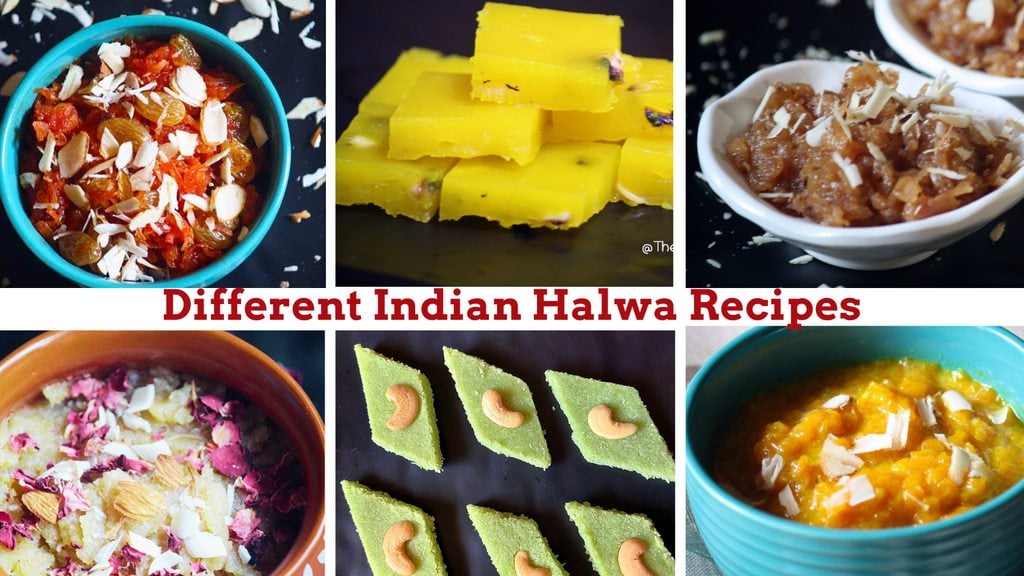
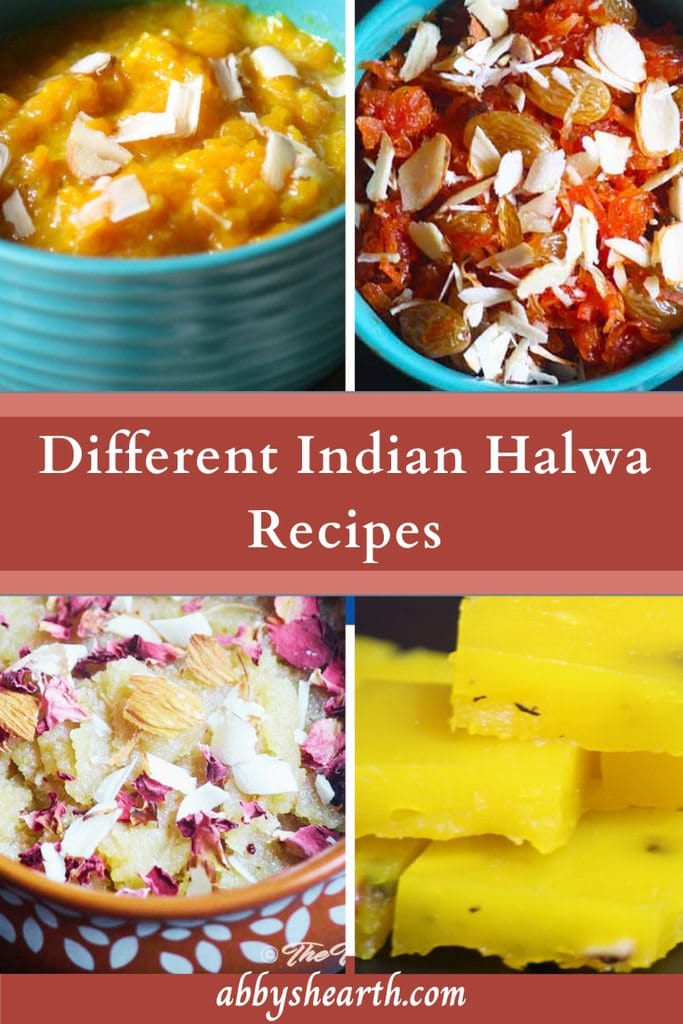
Halwa is one of those words that covers a lot of ground. The name comes from the Arabic word for “sweet,” and by the time it travelled through India it had turned into a whole category of dessert — some made from grated vegetables, some from lentils, some from grains — all sharing the same basic idea: something slow-cooked in ghee and sugar until it turns rich, dense, and a little bit addictive.
We make a lot of halwas at home, and each one has its own personality. Here are seven ways halwa shows up in our kitchen, from the classic carrot version to the one that only comes out at Christmas.
1. Gajar Halwa (Carrot Halwa)

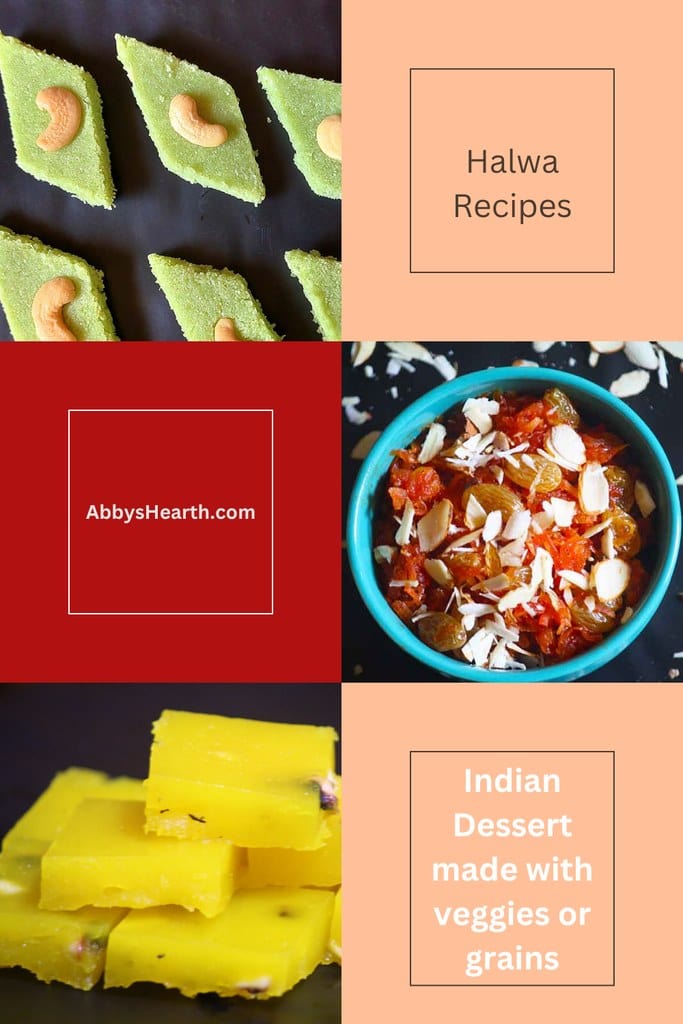
The one most people picture when they hear “halwa” — grated carrots slow-cooked in ghee and sugar until soft and glossy, finished with cardamom and raisins. Serve it hot or cold; it’s especially good alongside a spicy main like vindaloo.
👉 Get the recipe: Gajar Halwa
2. Bottle Gourd Halwa (Dudhi or Lauki Halwa)

Made with grated bottle gourd instead of carrot, this one has a lighter, almost glassy texture. There’s a milk-based version and a simpler one where everything simmers together at once — both finish with a scattering of sliced almonds.
👉 Get the recipe: Bottle Gourd Halwa
3. Red Pumpkin Halwa (Kaddu ka Halwa)

A cozy, cardamom-scented halwa made from grated red pumpkin, perfect for using up leftover winter squash. Milk powder is optional here, but it adds a nice richness if you want it.
👉 Get the recipe: Red Pumpkin Halwa
4. Apple Halwa (Seb ka Halwa)
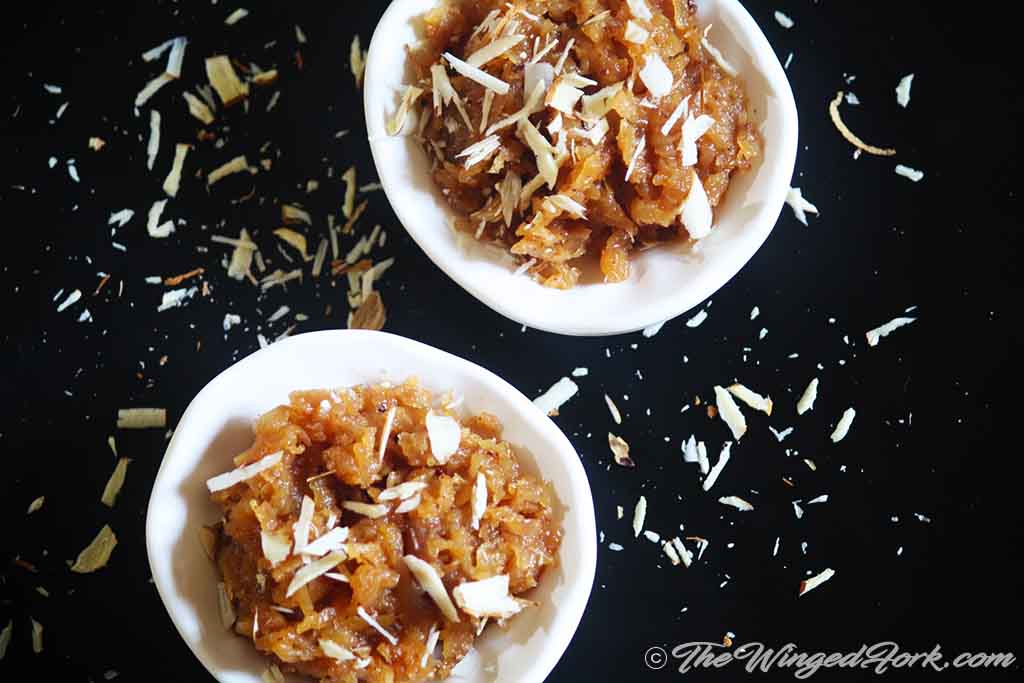
The least traditional of the bunch, and a bit of an acquired taste — grated apples cooked down with ghee, cinnamon (or garam masala), and cardamom until they reduce into something that tastes surprisingly like apple pie filling.
👉 Get the recipe: Apple Halwa
5. Moong Dal Halwa (Yellow Lentil Halwa)

This is where halwa moves from vegetables into lentils. Instead of being used in a moong dal curry, the split yellow lentils are soaked, ground coarse, and slow-cooked into a rich, nutty dessert — one of the more time-consuming halwas on this list, but worth the wait.
👉 Get the recipe: Moong Dal Halwa
6. Custard Powder Halwa

Indian families make a lot of wheat halwas around Diwali. This custard powder halwa is a quicker, gluten-free take on it, that’s made by whisking custard powder into a sugar syrup with ghee and covering with roasted cashews until it thickens and sets. I can’t decide if I like this one more or the custard powder cookies more.
👉 Get the recipe: Custard Powder Halwa
7. Sojee Halwa – The Indian Soft Spoonable Dessert
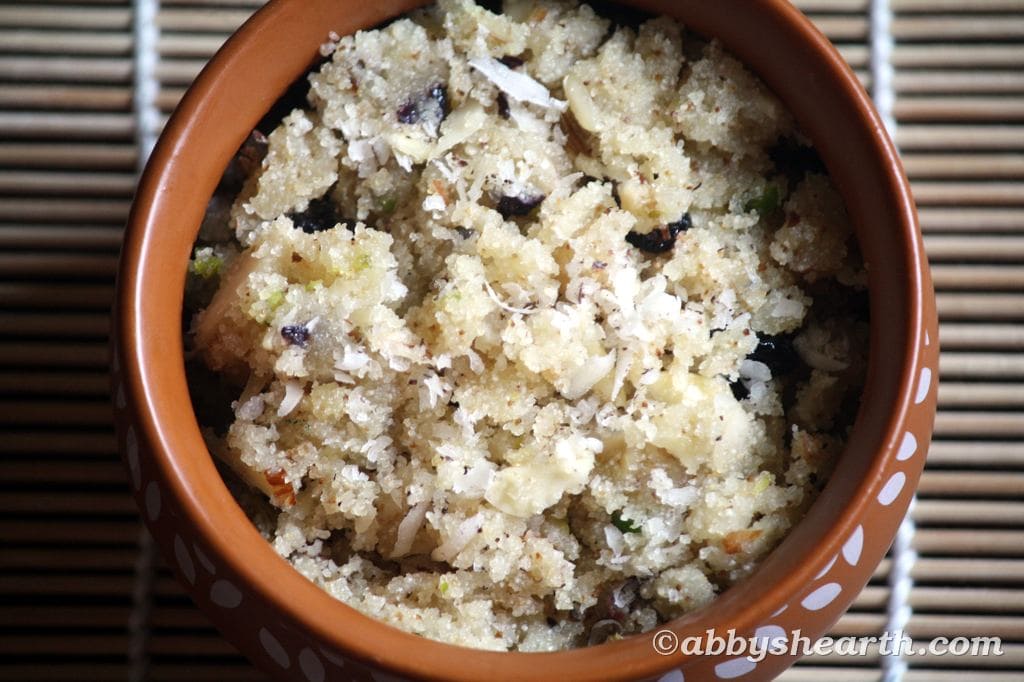
Soft warm semolina goodness for tea time after schools. That’s how me and my siblings remember it. Of course, we also ate it for dessert. Want the Indian semolina halwa, but with my mom’s reduced ghee and sugar.
Here is the recipe. Semolina Halwa – Soft Spoonable Soji Halwa
8. Sojee Sweet (Semolina Halwa) — the East Indian one

Unlike the rest of this list, this recipe is specifically East Indian: a green-tinted semolina and coconut sweet that is different from the traditional Indian semolina halwa. It shows up on every East Indian Christmas platter, cut into pieces and topped with cashew halves.
👉 Get the recipe: Sojee Sweet
FAQs about Halwa
What does “halwa” mean?
Halwa comes from the Arabic word for “sweet.” Over time it’s come to describe a whole family of dense, ghee-and-sugar-based desserts found across India, the Middle East, and Asia — made from vegetables, lentils, grains, or nuts depending on the region.
Can halwa be made vegan?
Several can. All our carrot, bottle gourd and moong versions can be made vegan by swapping the ghee with coconut or vegetable oil.
What’s the difference between vegetable halwa and grain halwa?
Vegetable halwas (carrot, bottle gourd, pumpkin) get their body from grated vegetables cooked down with sugar and ghee. Grain and lentil halwas (moong dal, semolina, custard powder) build that same texture from a cooked starch or lentil base instead.

Heya, I’m Abby! I’m a Gourmand Award-winning cookbook author and East Indian from Bombay, India. This blog is all about faith, food, and culture – from East Indian recipes to home, DIY, and spending time in the Word. Find out more about me here!