
I spent three nights in Diu recently with my parents (aged 73 and 75) at Kamnath Zinc Journey by the Fern on Nagoa Beach Road. We’d set aside a full day and a half for sightseeing, but finished it from just 10 am to 3:30 pm, and covered more than we expected. Here’s what we saw, including the attractions that were closed and what surprised us.
Where We Stayed: Kamnath Zinc Journey by the Fern, Nagoa Beach
We almost stayed at The Fort House by IHCL Hotels which is right across the fort and within walking distance of most of the tourist sites, but the recent reviews about construction nearby had me worried. The Fern Seaside Luxurious Tent Resort in Diu centre was another option, but I was wondering why they called their hut shaped rooms tents, and saw one review by a British traveler on Booking.com about rusty bathroom fittings. So no, not this time. But we’ll try it when we visit again, if we go just for the water, because the sea is a lot cleaner than Goa.
Other affordable options were Gateway Diu and Ginger Diu. But we finally ended up staying at Kamnath Zinc Journey by the Fern on Nagoa Beach Road. The reason I picked this hotel for the parents was because it was in a quiet corner at the end of Nagoa Beach Road, away from all the noise and the eateries, and yet had everything within walking distance.
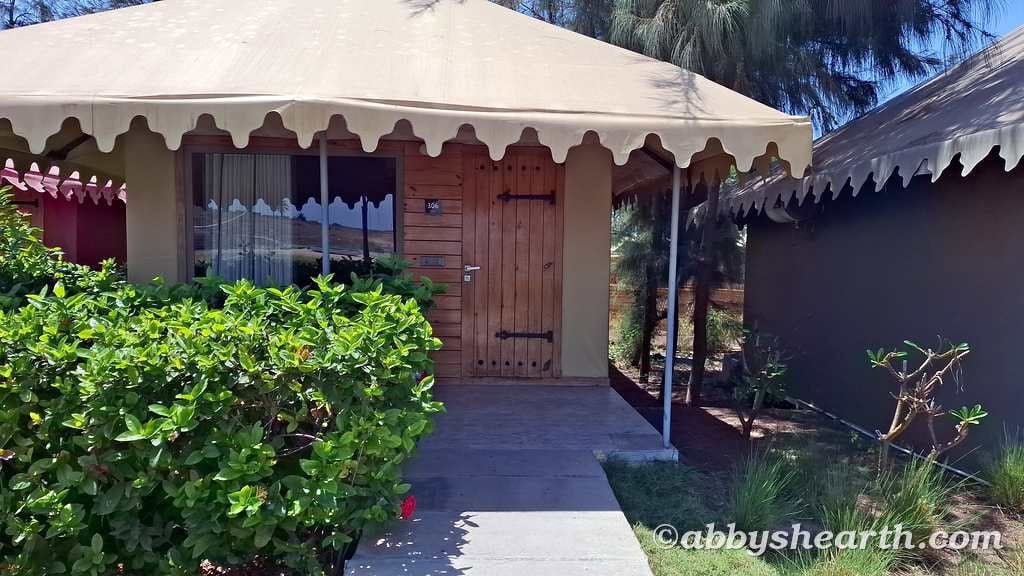
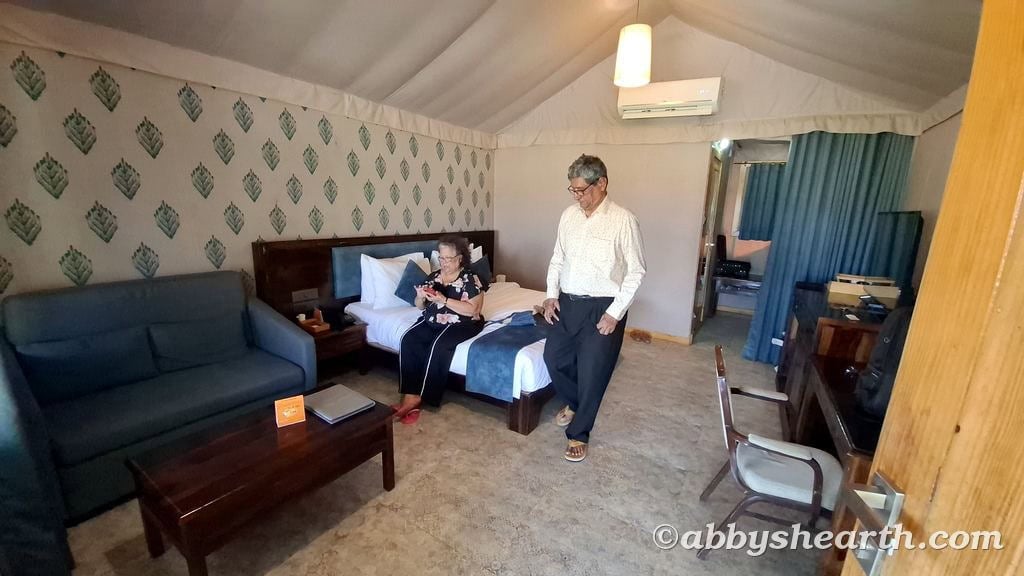
The tent-room was pretty spacious and had a sofa that could be turned into a bed for me at night. The refrigerator was stocked, but we tried to avoid using it because the rates are well, 4-star rates.
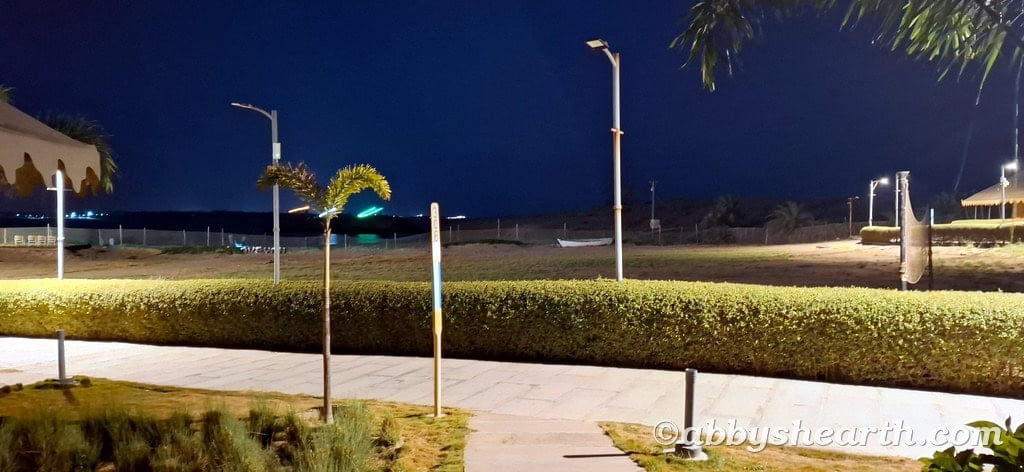
From our room we could also see the parasailers pass the DIU sign, which looked pretty when lit up at night.
There was a swimming pool on site, though we didn’t use it. The resort had private access to the beach, and we preferred swimming in the sea itself, which was a lot cleaner than here in Mumbai.
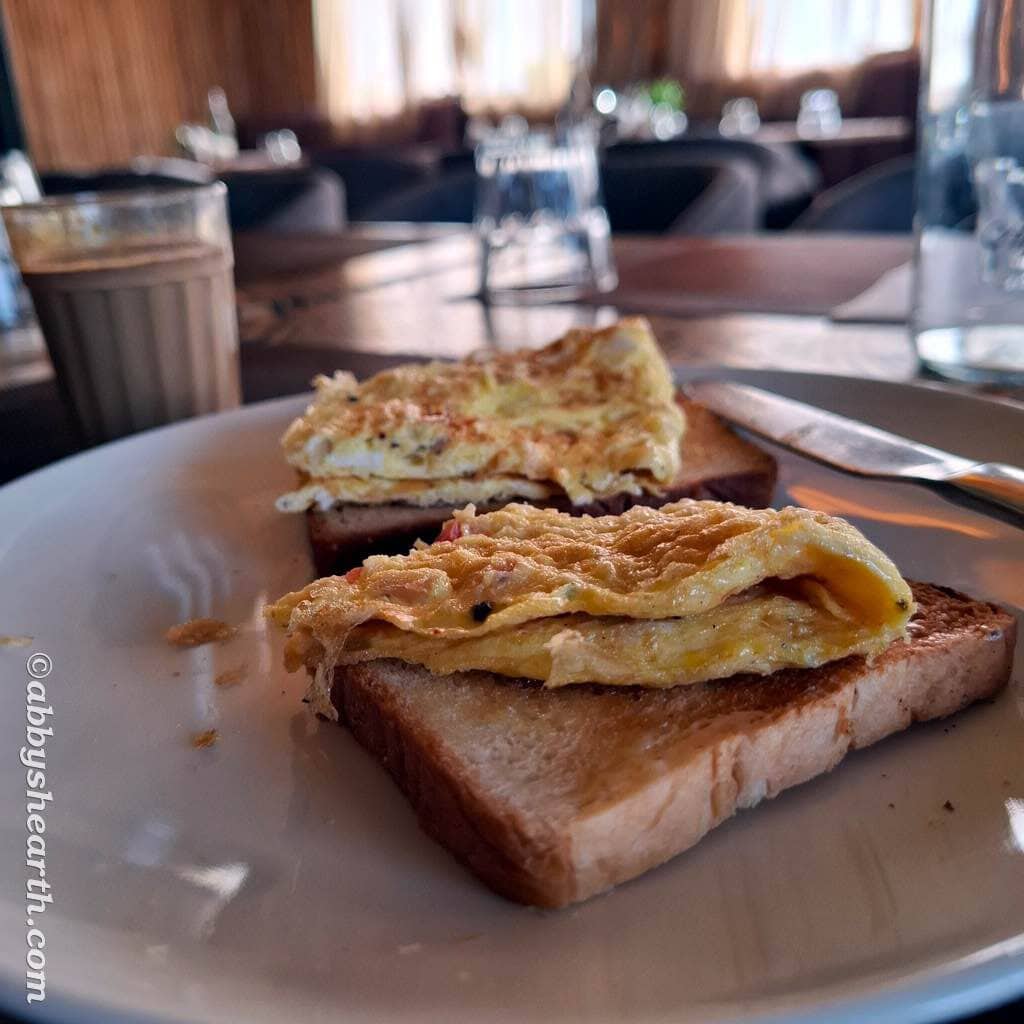
There was an onsite restaurant that we ate at a few times, as well as a lounge bar above it. Plus, breakfast is included as usual, so we were here at least 3 times during our stay.
If you are traveling with seniors, make sure to ask for rooms closer to the reception and restaurant, otherwise it’s a long walk from there to your room because the place is quite spacious. You can check out the hotel here.
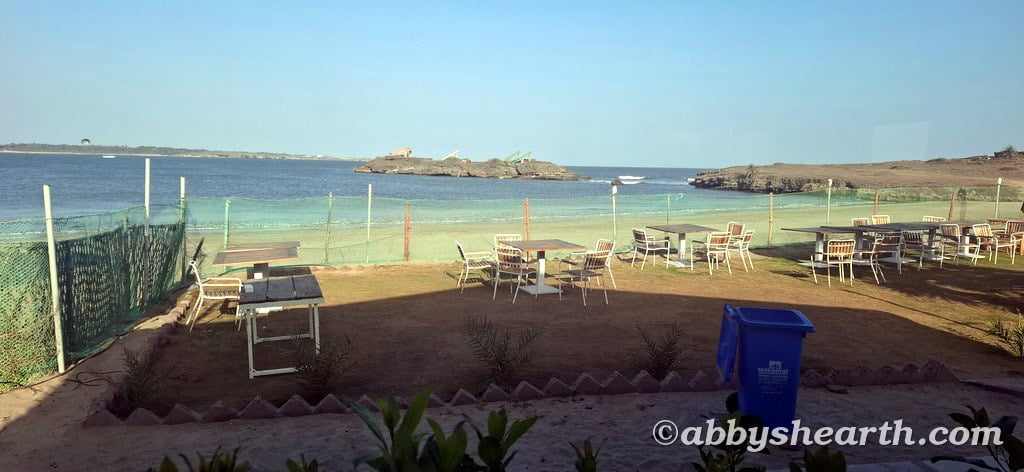
Lazy Days in Diu
Our sightseeing was planned for the second day (the hotel provided us the contact details of an affordable driver-guide). So we spent the first and last day walking down Nagoa beach, eating from roadside eateries and swimming in the late afternoons. There are opportunities for watersports from parasailing and kayaking to simply taking ATV rides.
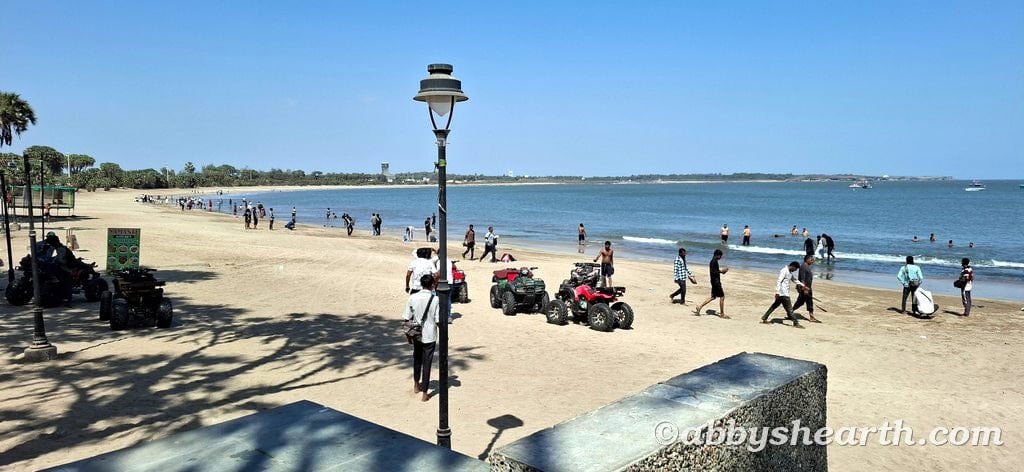
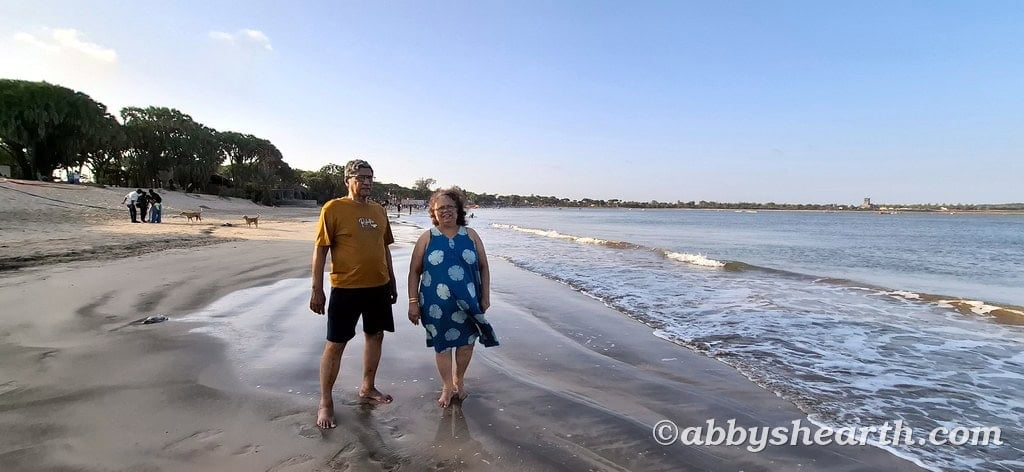
The water is really clear and the beach clean as opposed to Mumbai. Dad and me had fun swimming there while mom came in a bit later.
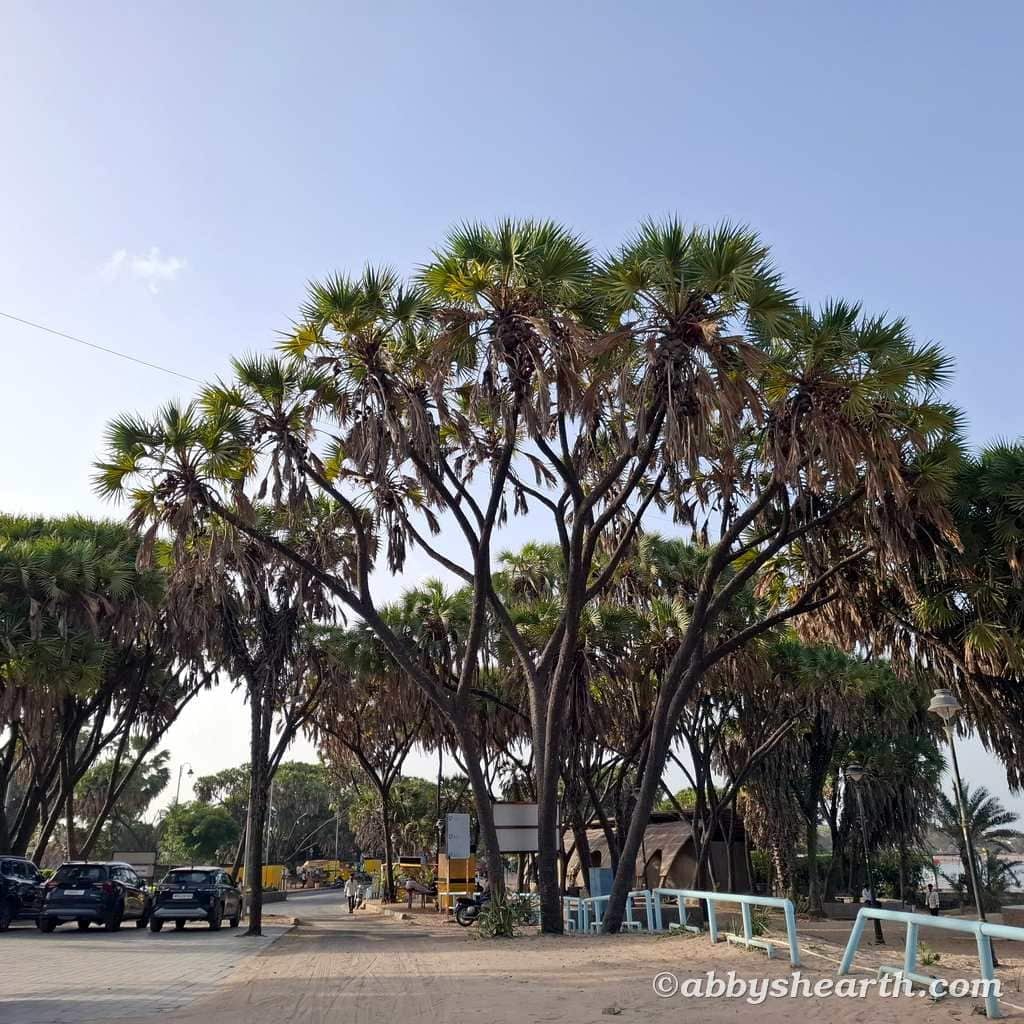
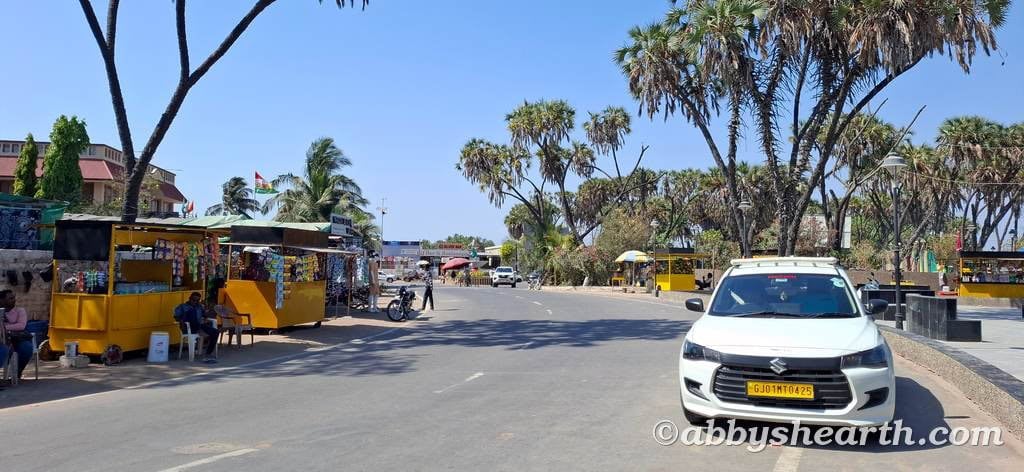
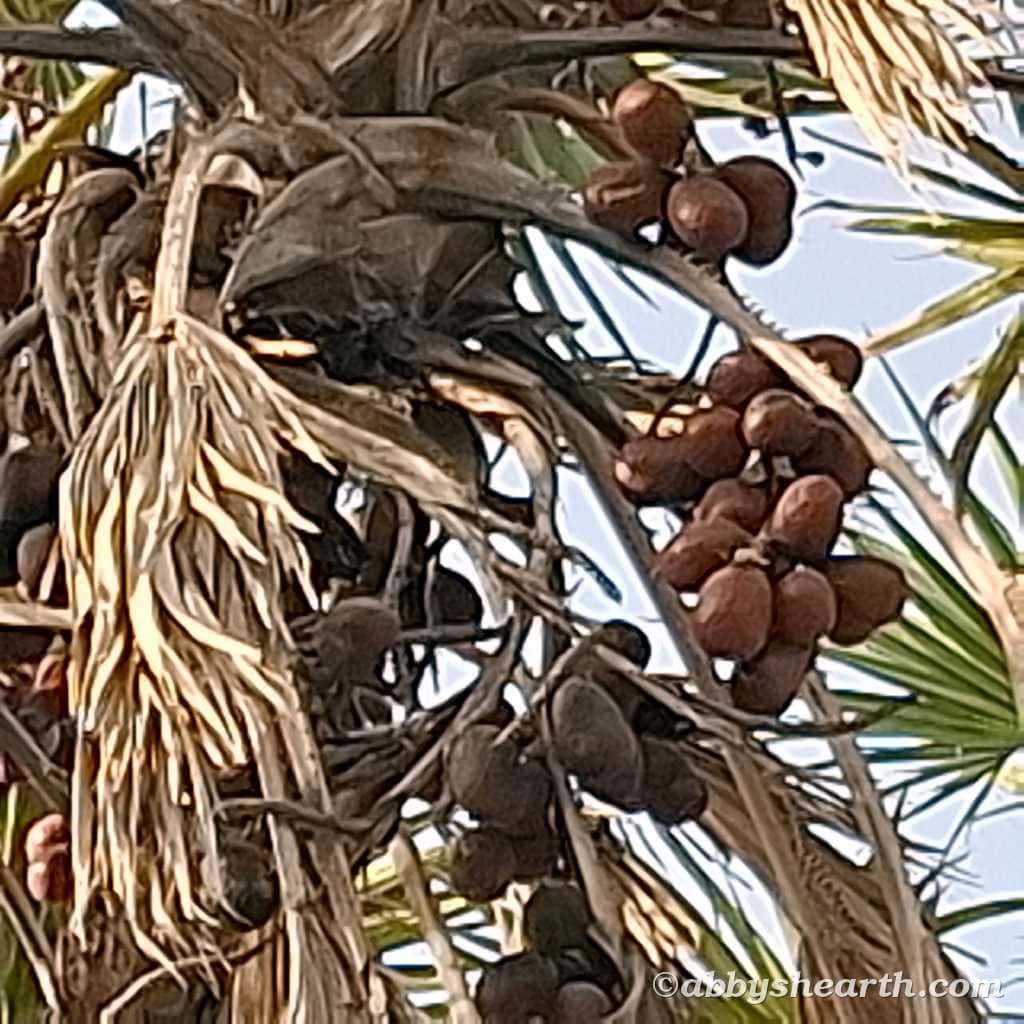
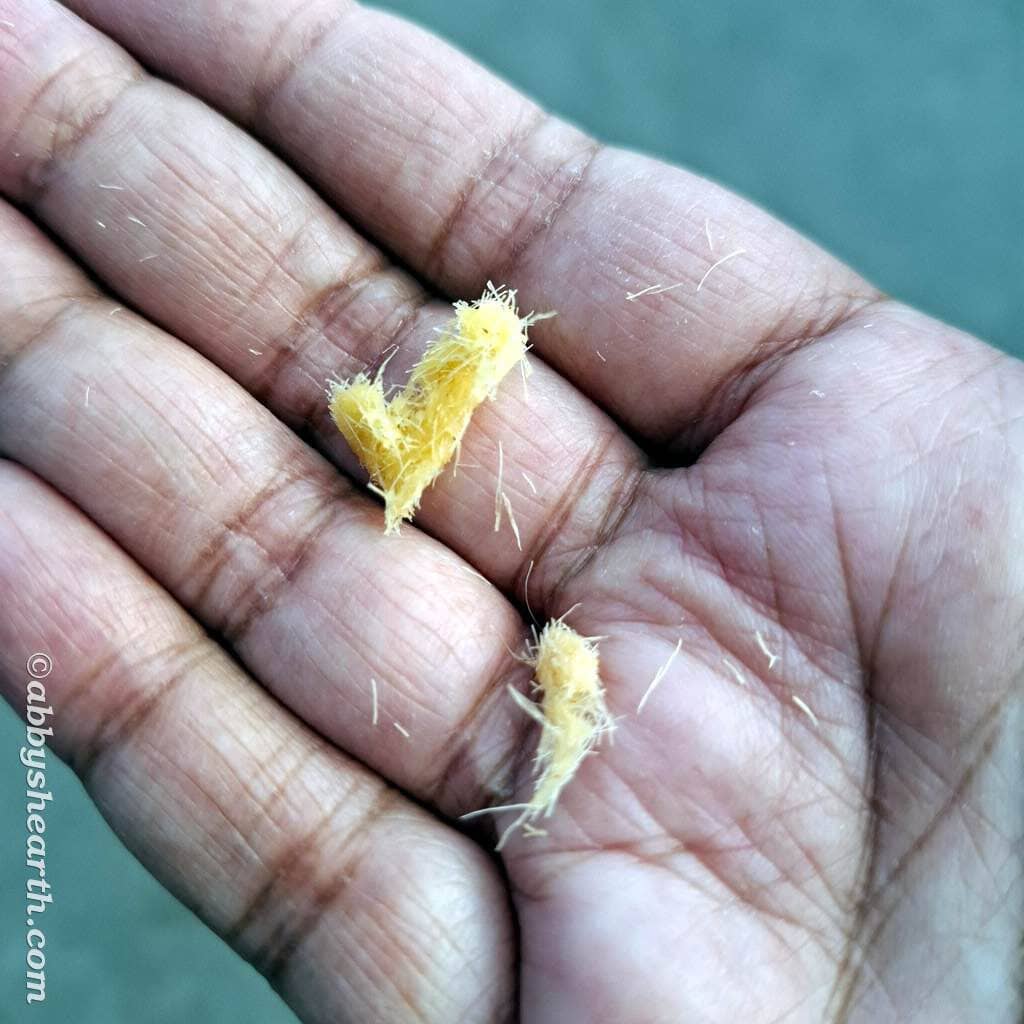
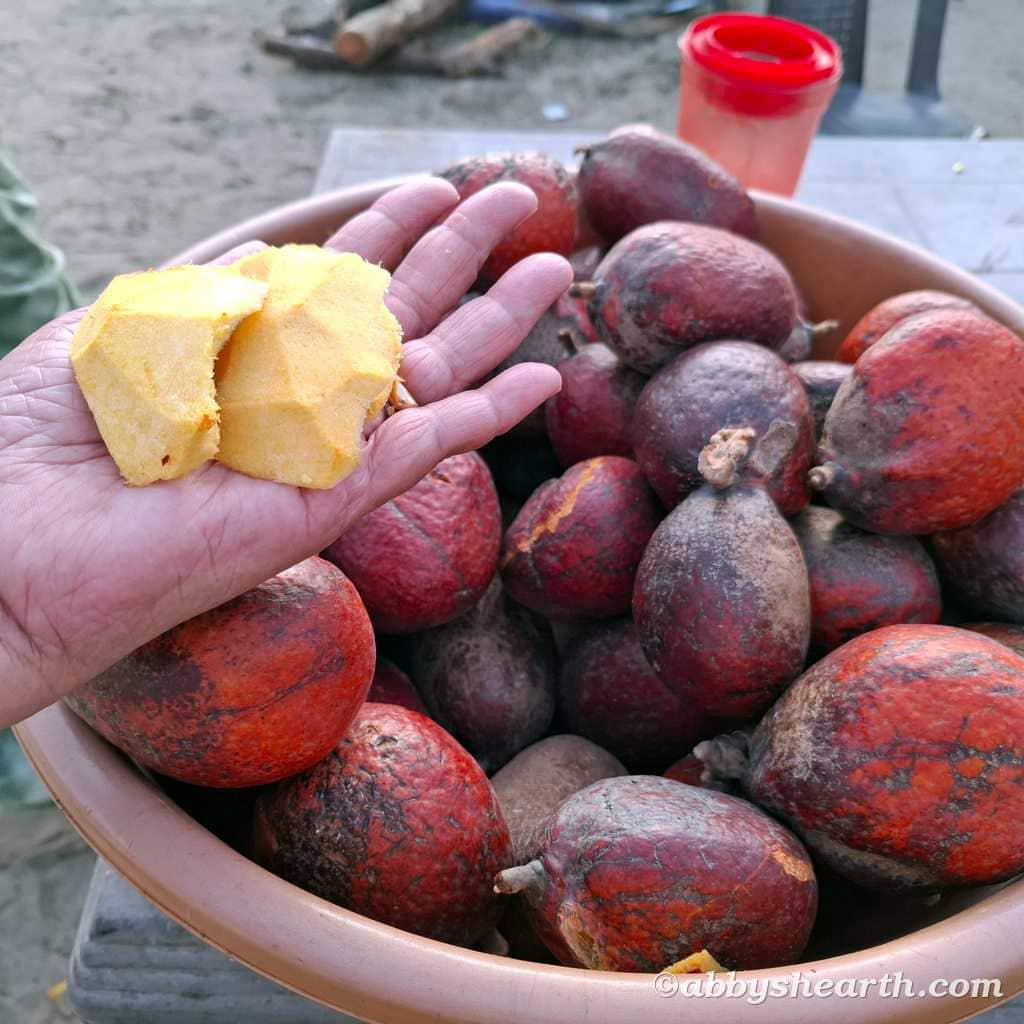
The streets here are lined with different looking palm tree called Hoka that was brought to India by the Portuguese from Africa. There were also a few fruitsellers selling the red-colored hoka fruit. We tried some. They taste like a slightly less sweet chikoo or sapota, but are chewy like sugarcane. You can see what it looks like after chewing in the image below. That’s a bit I had chewed.
Our Sightseeing Day in Diu: 10 AM to 3:30 PM
Diu is small enough for you to reach town centre in half an hour from Nagoa Beach. And although there were quite a few things on our list, we managed to do the entire cluster in one go — fort, churches, the decommissioned ship, lunch — and were back home by late afternoon.
INS Khukri — The Decommissioned Warship
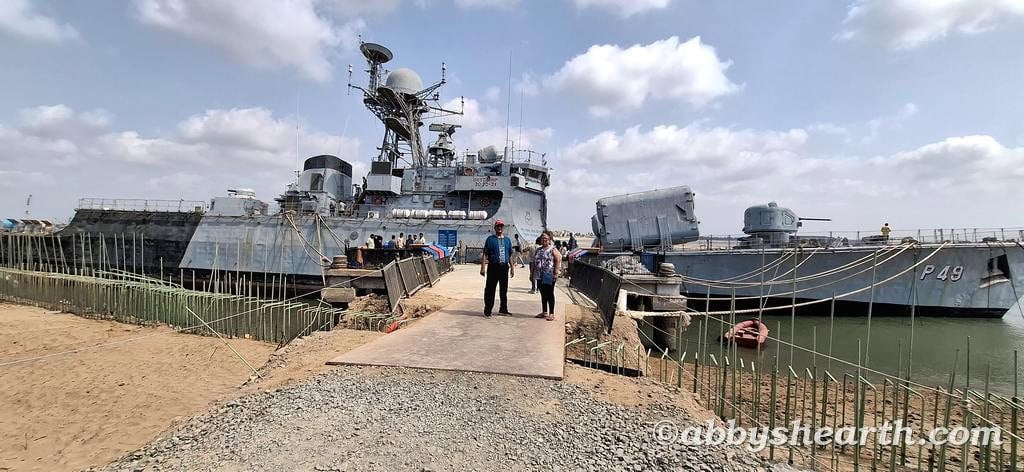
The retired INS Khukri, also known by its pennant number, P49, is docked at the Marine Police Jetty opposite the Diu Collectorate. The ship served 32 years before becoming a museum.
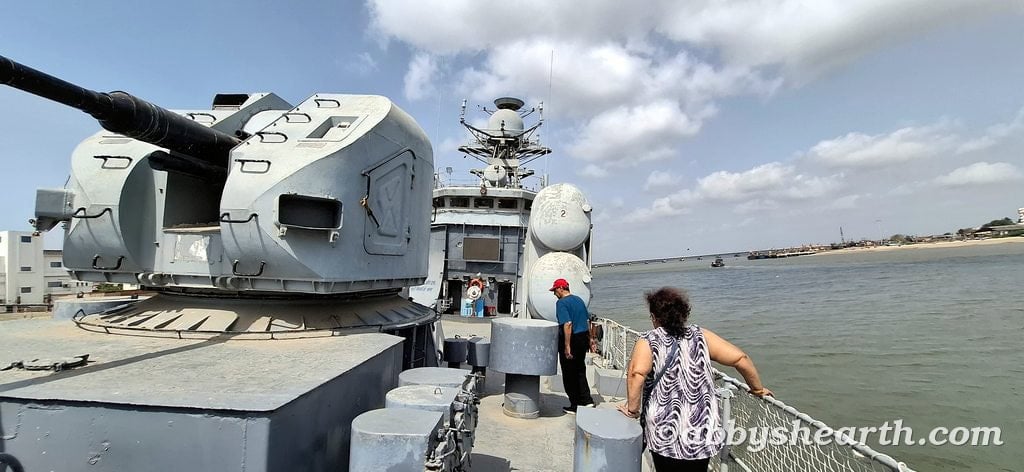
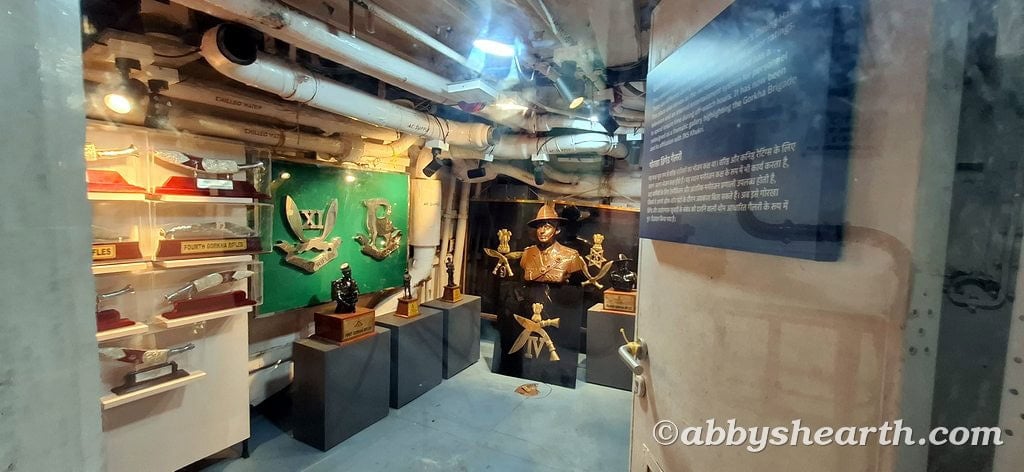
The ship is beached at a tilt; and that tilt alone tells you this isn’t just a polished museum and helps you experience a teeny bit of how different life is at sea. You can hear audio conversations as you pass from one room to the next, reliving what life would have been like on the ship. There’s also a display of the Gorkha weapons in one section.
The guns, radar, ship interiors all kept intact. The captain’s bridge was closed for an hour on the day we visited, so we didn’t see that section. We had planned on getting the cap there for dad. You know the one where you donate INR 500 and get the INS Khukri cap, but we’d have to wait another hour so we didn’t.
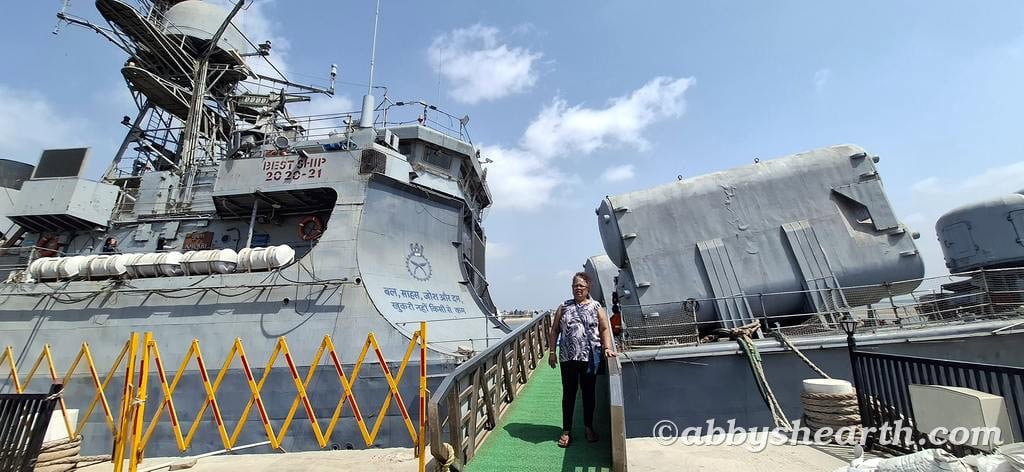
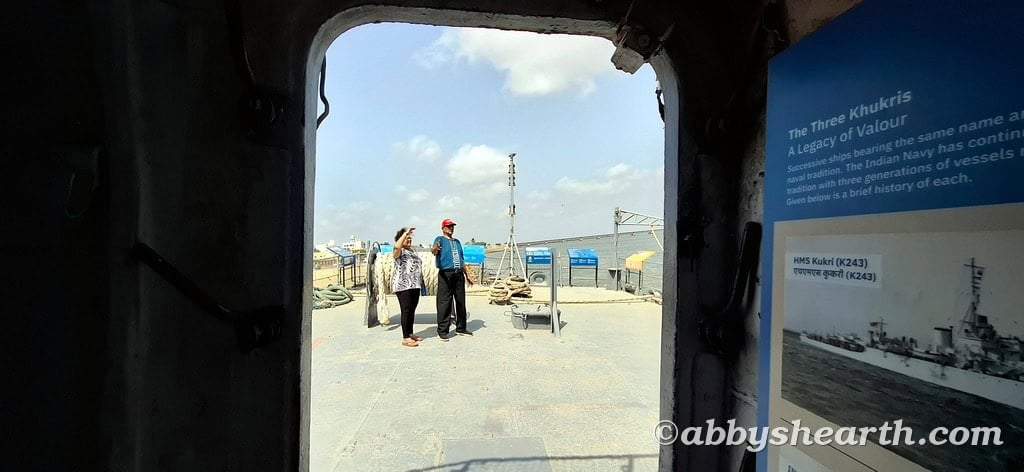
The ship’s motto: “Bal, Sahas, Josh aur Dum, Khukri nahin kisi se kum” can be seen printed on the ship. See the pic with mom above. The slogan translates to “Strength, courage, spirit and stamina, Khukri is second to none.”
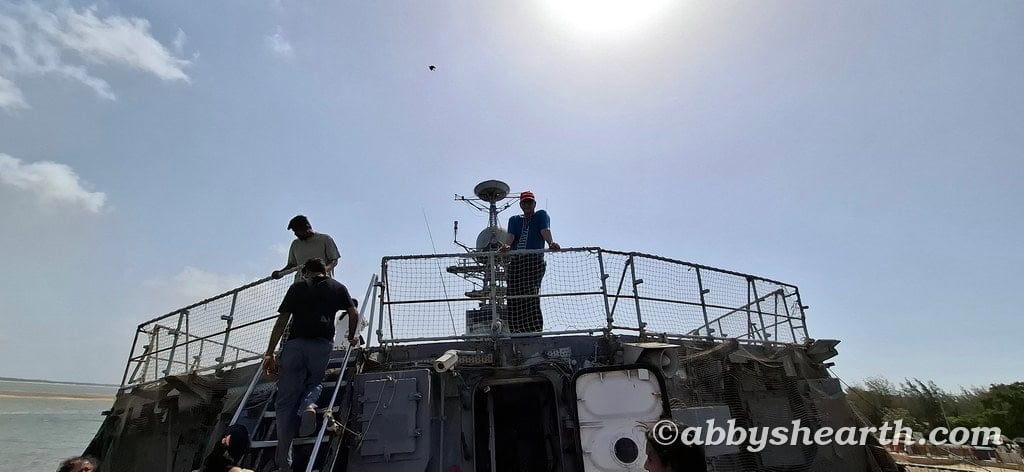
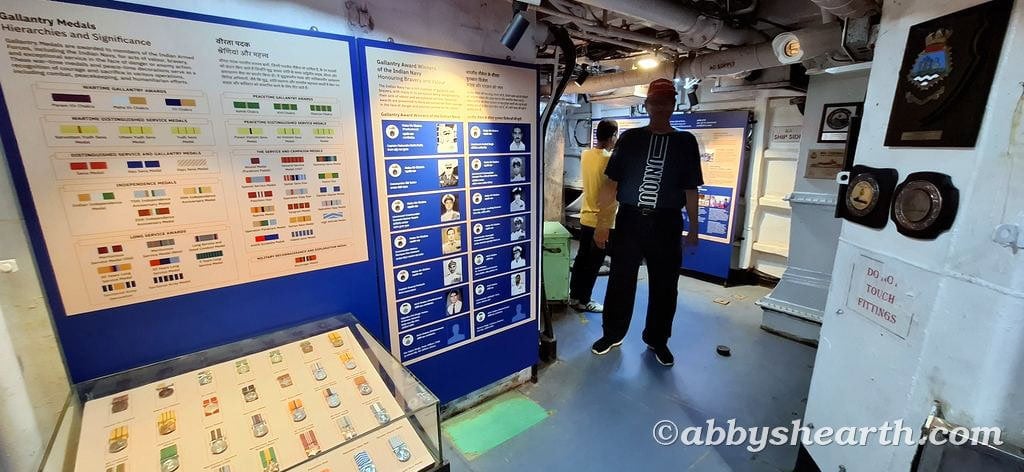
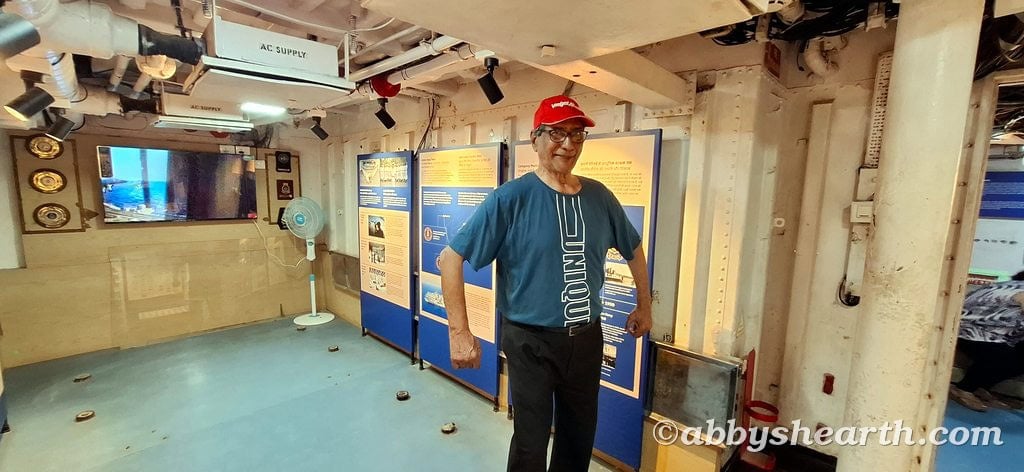
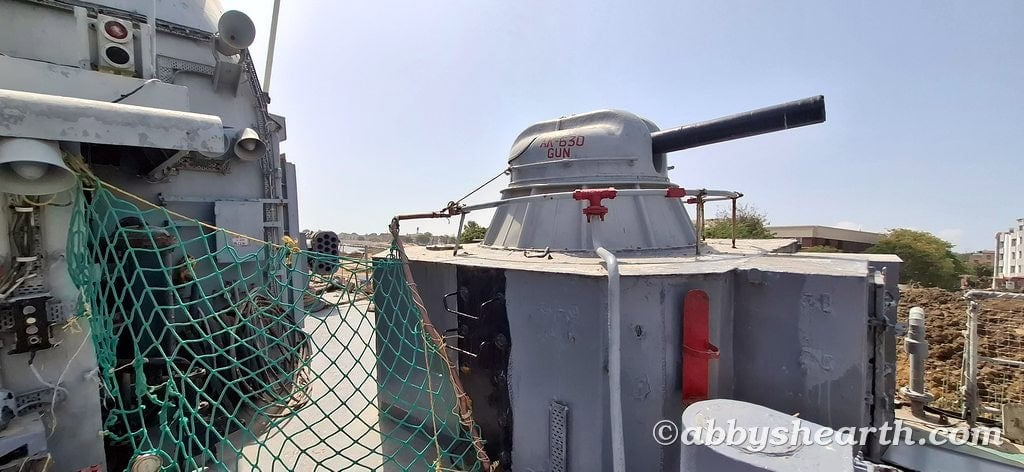
Senior travel note: The main deck level is manageable; the upper floors have ladders that require a little more agility. Know before you board.
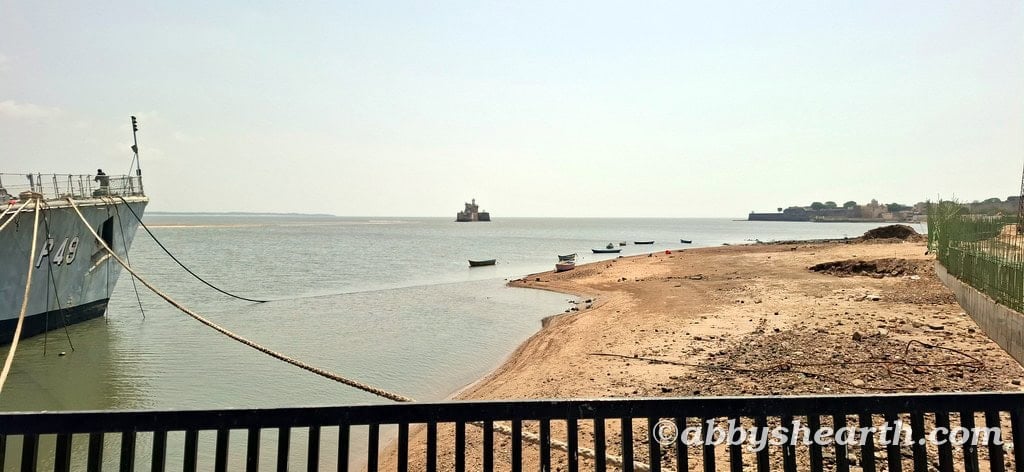
Diu Fort
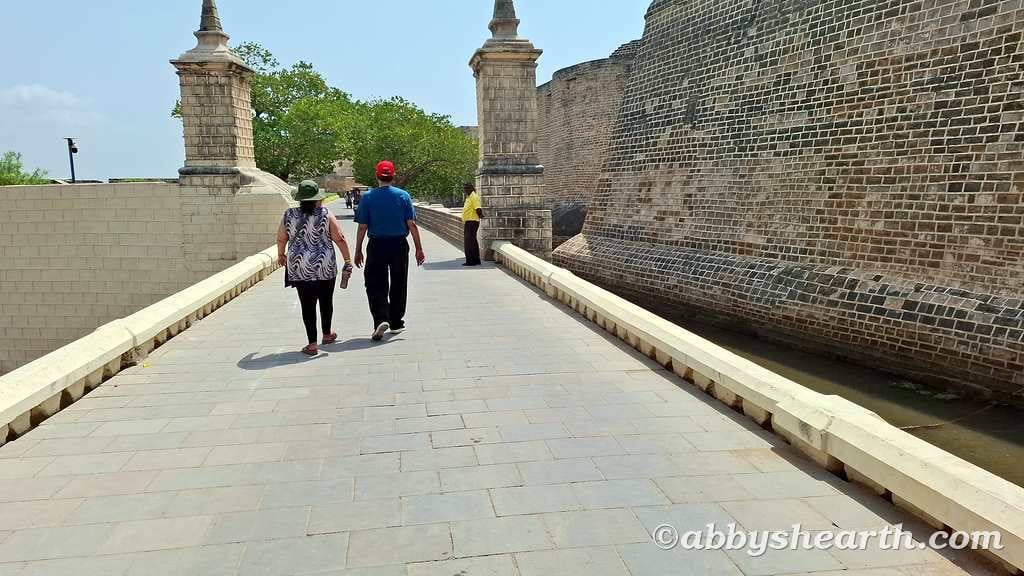
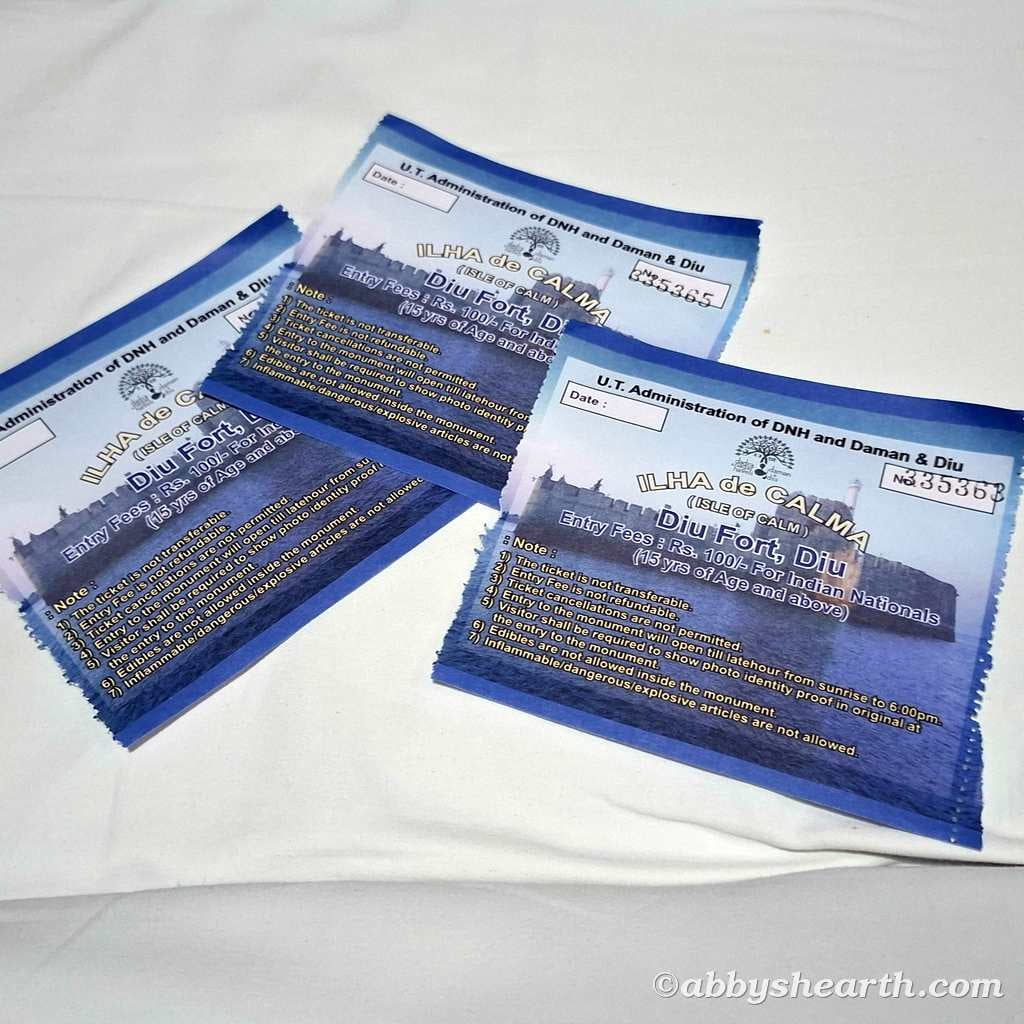
Also called Ilha de Calma, “island of calm”, the Diu Fort is a whole lot bigger than it looks from the outside. The entry tickets for Indian nationals aged 7 to 15 are INR 75, and for anyone aged above 15 years it’s INR 100. Prices for foreign visitors are more, so please check the counter. Once you enter, you’ll encounter a few self-proclaimed tour guides who offer to give you a history of the fort. We didn’t opt for any.
One practical note: Diu Fort entry is card-only, as is the ship entry. Cash or UPI or GPay aren’t accepted.
A little while further and there are buggies offering rides to the main section and back for INR 50 each. We were glad we took the buggy as it turned out to be a 2.5 minute ride. Would have been a super long walk in the sun. The buggies drop us right at the base of the inner section of the fort.
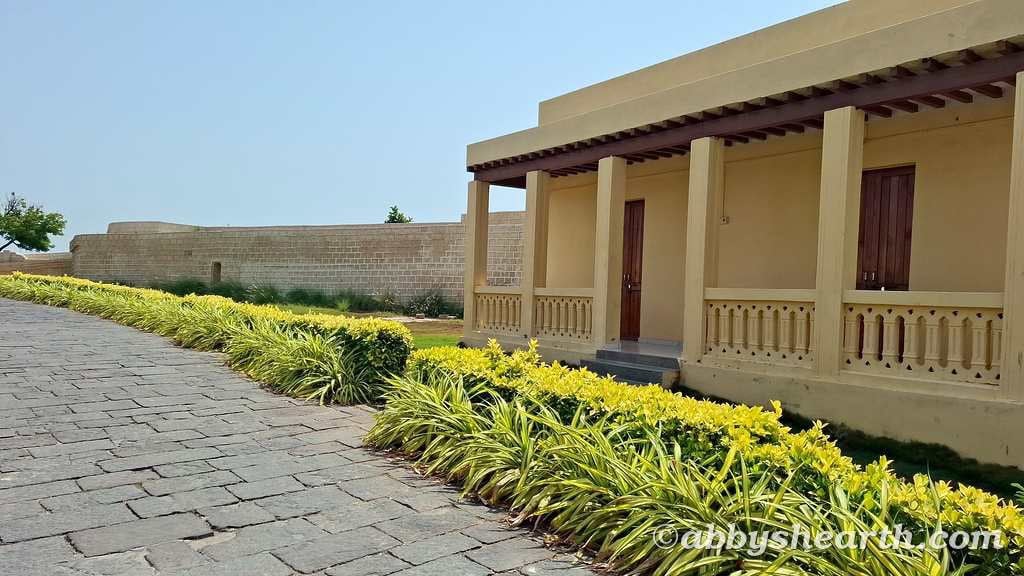
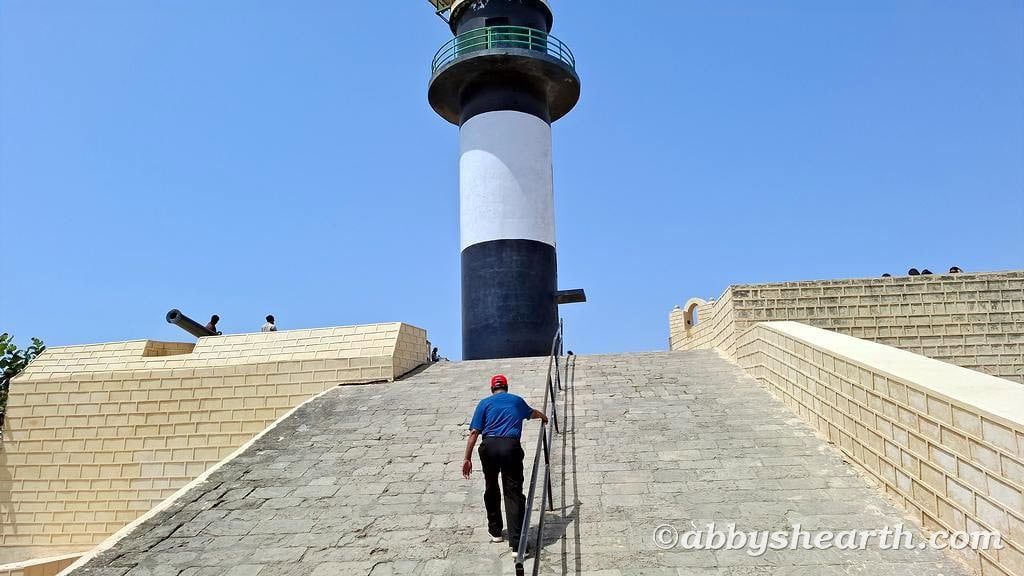
My dad managed the inclines, especially the big one up to the Couraca Lighthouse. My mum found the steeper sections too much and sat these out at one of the benches. There are a few shaded spots, so a group with mixed mobility can make it work. Just remember to carry enough drinking water because it’s really hot.
There’s a church on premises, but the buggy didn’t stop there, so given the parents would have difficulty getting back, we didn’t stop to see it.
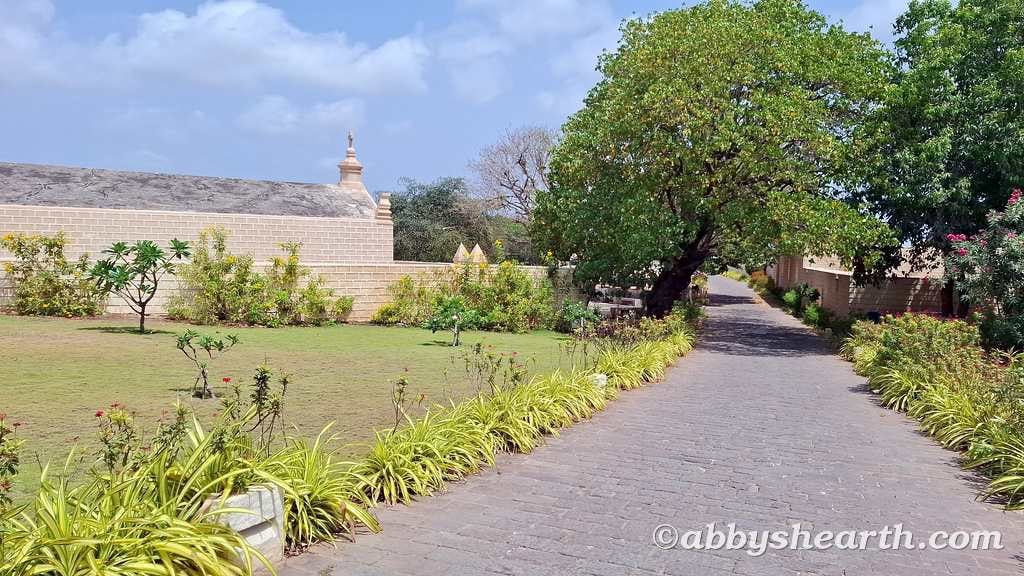
I followed dad around the fort taking videos – you’ll find some of them on my Instagram @abbyshearth. From the fort walls we had a clear view of Pani Kotha, the old Portuguese sea prison sitting in the middle of the water. You don’t need a boat to appreciate it. We also walked around the Couraça, the old Portuguese-era lighthouse at the top of the fort, now closed.
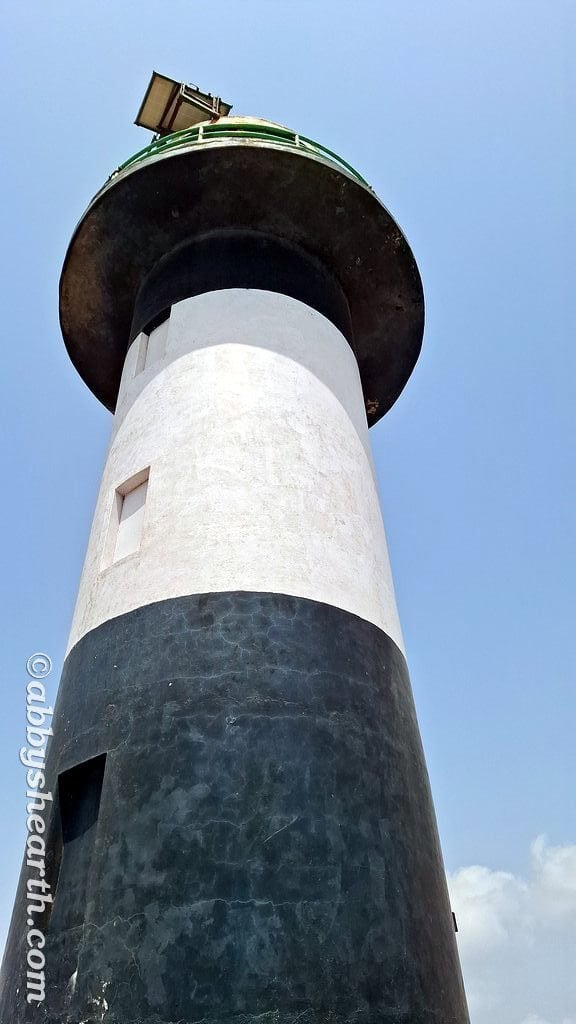
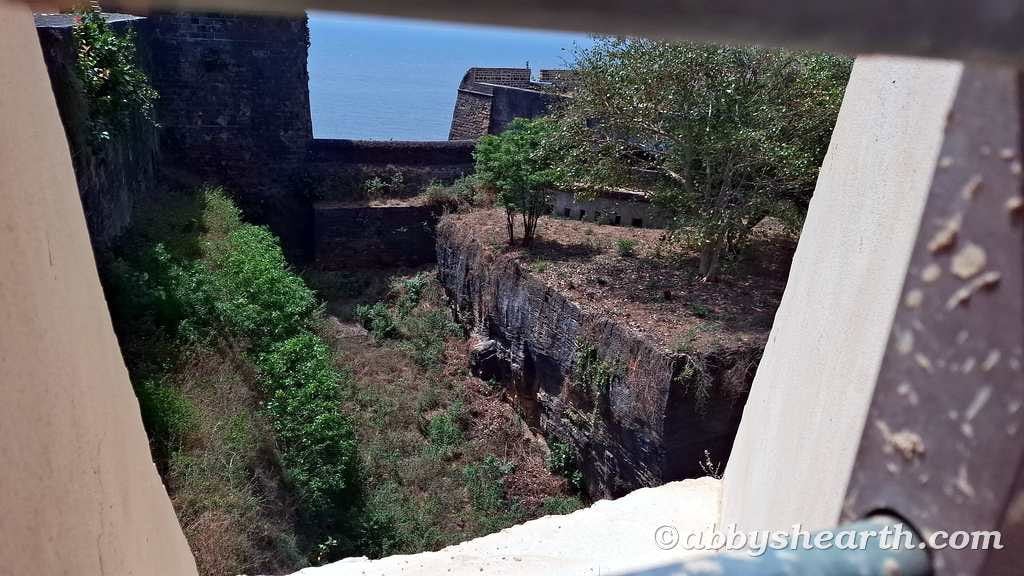
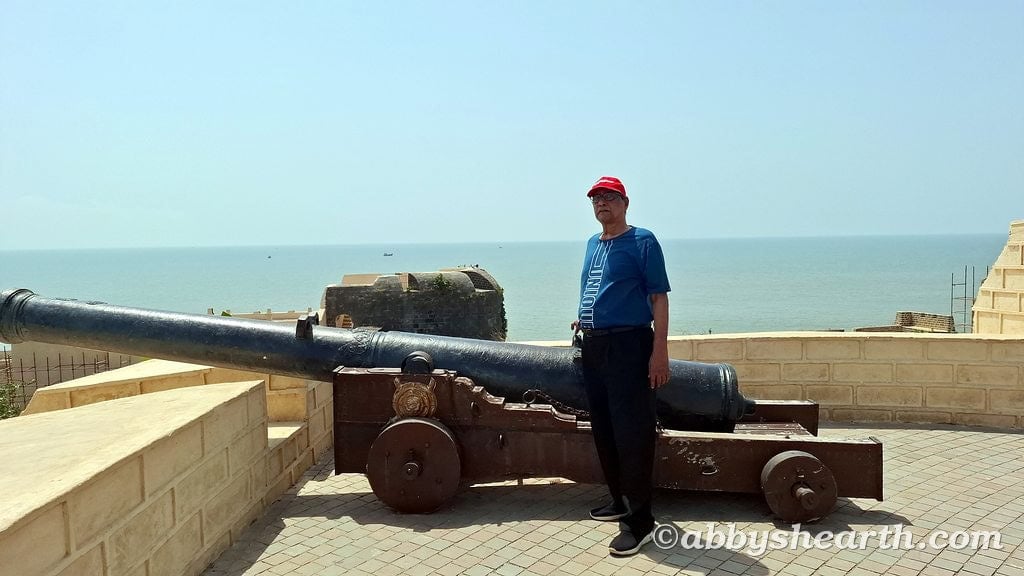
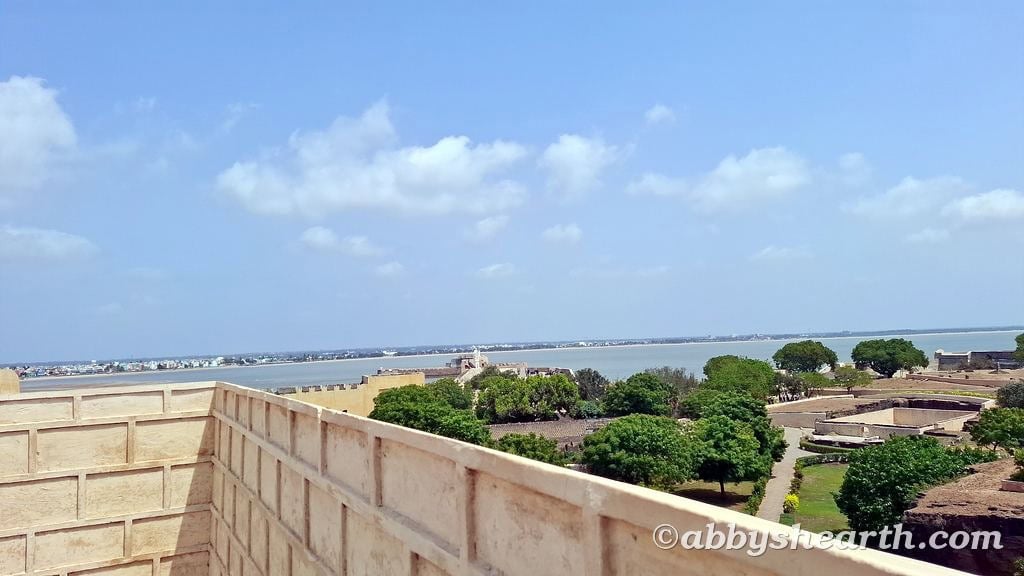
Opposite the fort, you may have read about The Fort House by IHCL Hotels and construction activity near it. We saw the magnificent building, but there was no construction happening at all on the day we visited. So we could have stayed there too, and enjoyed being within walking distance of most of the old-town sights. But, the sea around it doesn’t look that swimmer-friendly.
Senior travel note: Take the buggy. Without it, the distances involved are genuinely tiring. The cart drops you close to the main viewpoints.
St Paul’s Church
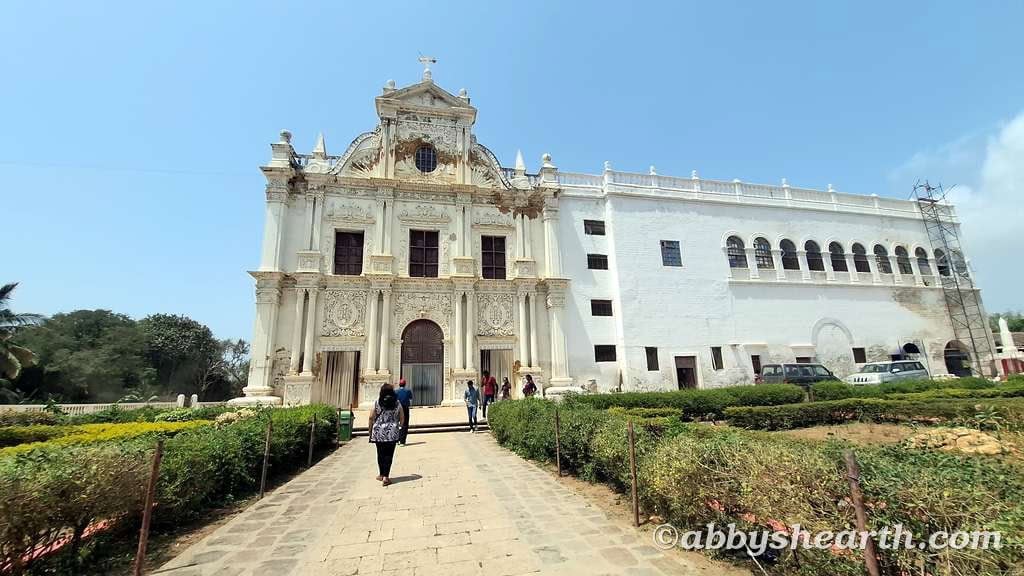
A one-minute drive from the fort is St Paul’s Church also called Immaculate Conception Church, whose construction began in 1601 and was completed in 1610. The 17th century facade is striking, and the carved wooden altar inside is worth seeing. We were done in about 15 minutes — it’s compact, not sprawling.
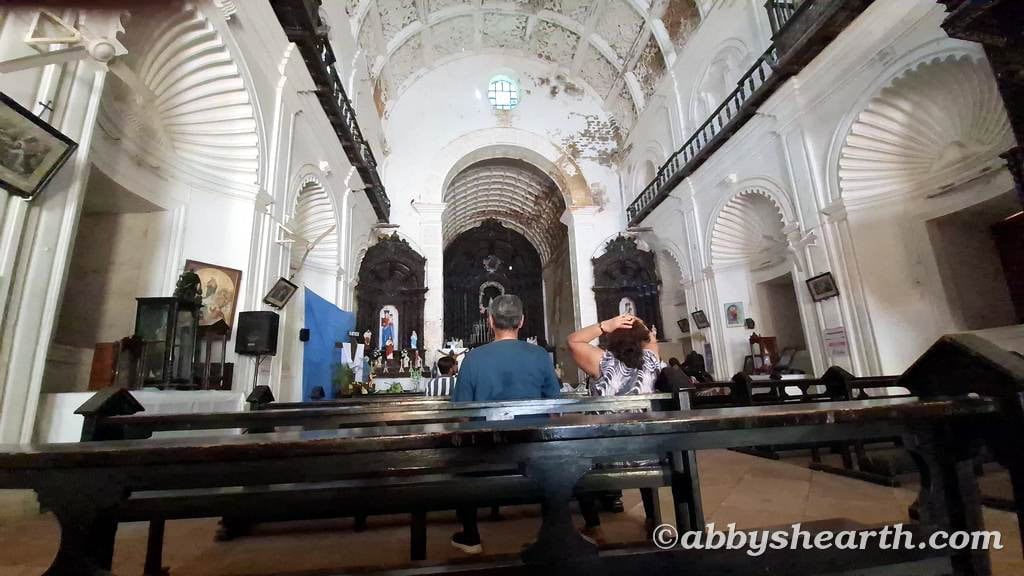
The board at the entrance describes St Paul’s as a blend of Renaissance and Mannerist architecture, from the dome vault and pulpit to the impressive facade. What surprised me was that the board also mentioned Hindu motifs and Islamic influences in a Portuguese church. The Portuguese artists who built it are unknown, which makes the detail even more impressive.
St Thomas Church
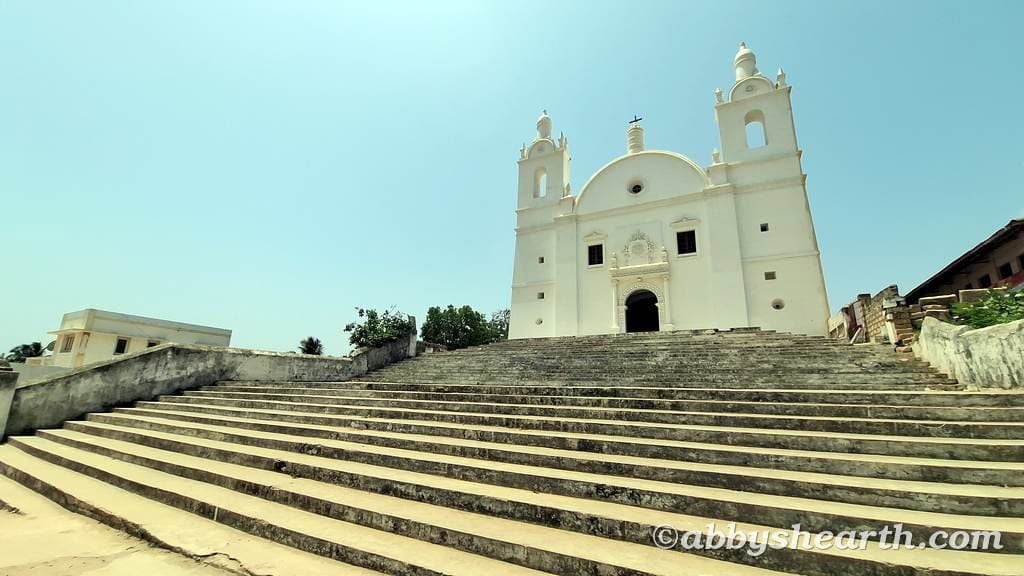
Closed for renovation and completely emptied out. We went in anyway — and the bare stone interior of a 16th century Portuguese church, stripped to nothing, is its own kind of atmosphere. High ceiling, thick walls, complete silence.
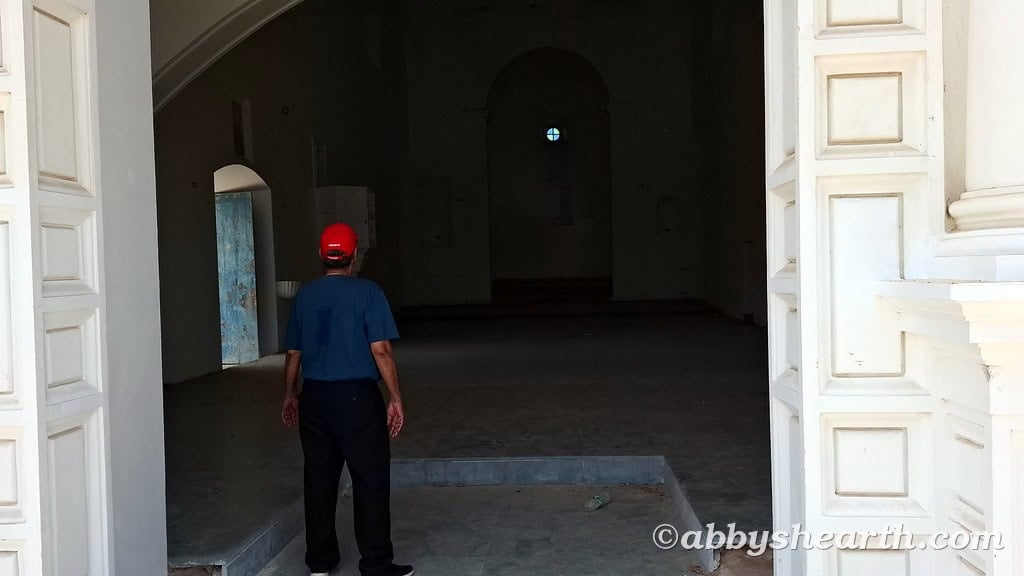
Don’t let the renovation sign put you off if the path to the door is open. When we went it was covered with barbed wire and old patras, but dad loves churches and still made his way inside. Me? I took the side door that was fully open with no blockages.
Zampa Gateway
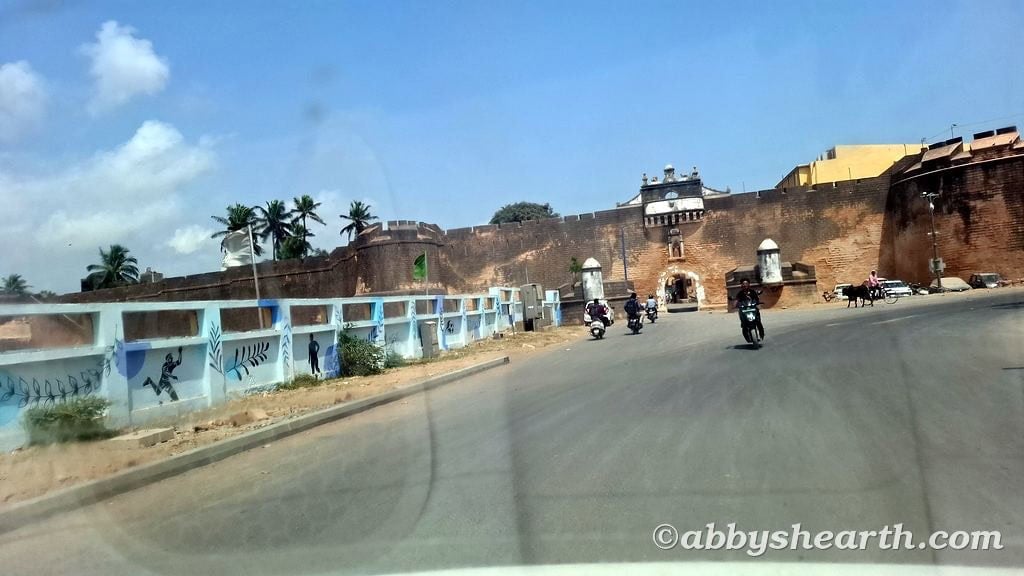
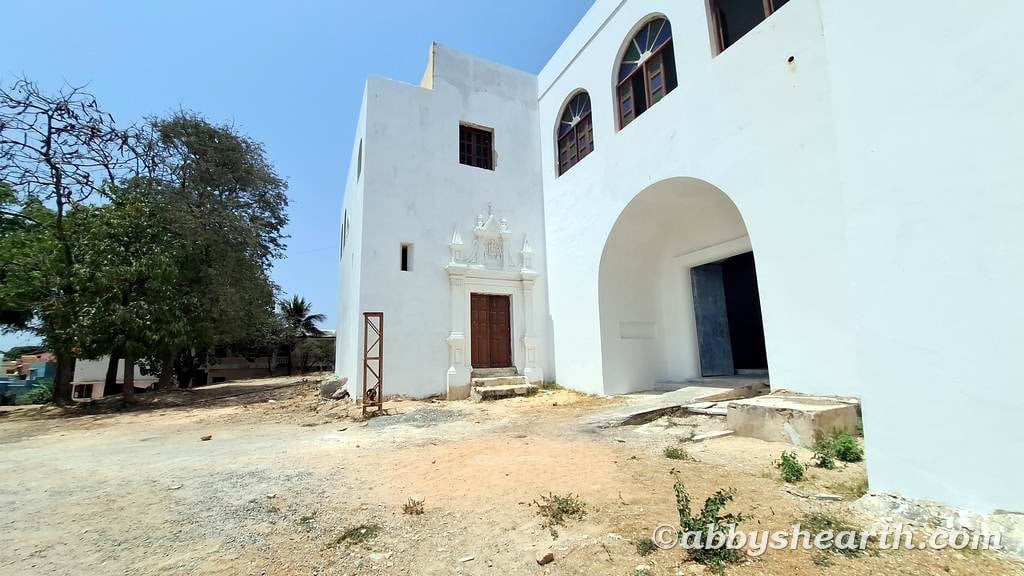
While driving to one of the other attractions, we passed the Zampa Gateway. You can see we didn’t stop because I took this picture from the car. The gate is one of the famous historic entrances to Diu, and is known for its impressive stone carvings and sculptures of lions, angels and a priest showcasing the Portuguese architectural influence.
Jalandar Beach
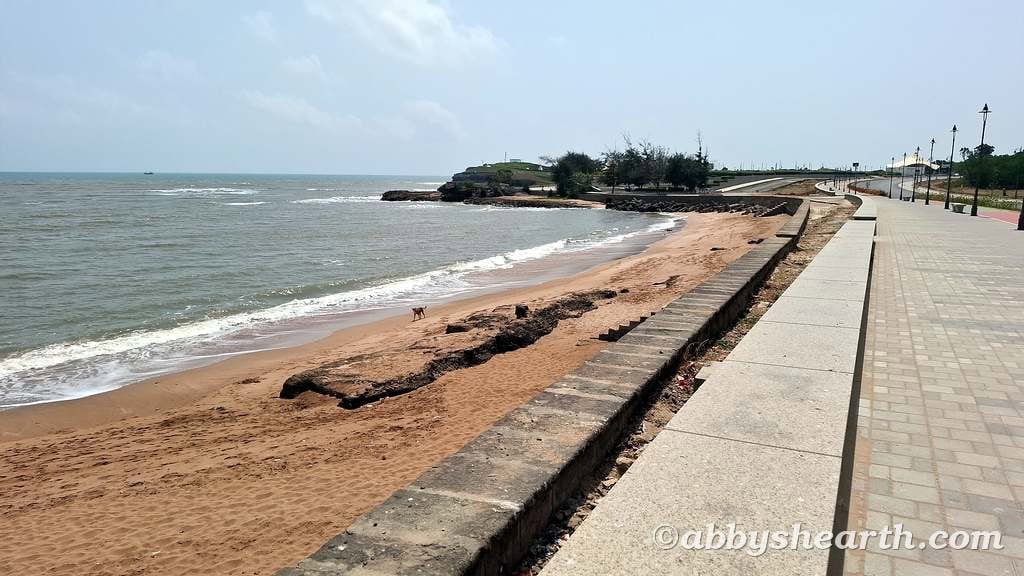
Jalandhar Beach in Diu is a small, scenic beach known for its rocky shoreline, peaceful atmosphere and views of the Arabian Sea. Named after the demon Jalandhar from Hindu mythology, the beach is also associated with a small shrine dedicated to him nearby. We passed by it on our way, but with the 42 degree Celsius heat, I was the only one who stepped out of the car. It’s supposedly also a swimming beach, but I didn’t see anyone around.
Foran Market
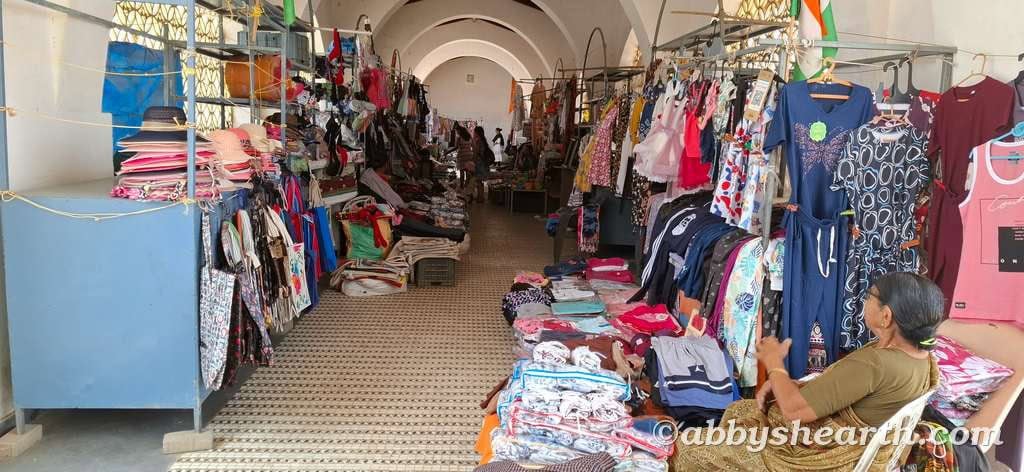
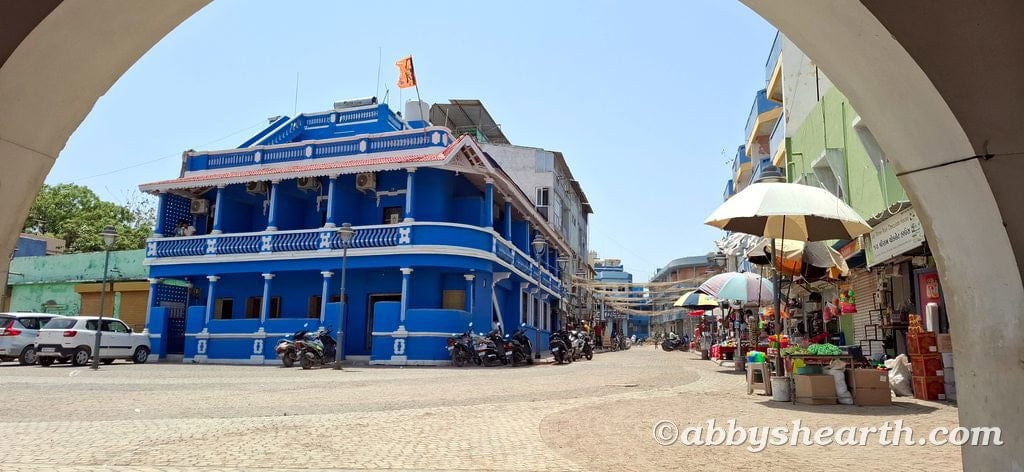
Foran Market, listed in several guides as a shopping stop, was hardly a market when we got there. A handful of stalls, nothing much. Skip it or go with zero expectations.
What We Didn’t See, or Chose Not To
Naida Caves were closed for re-construction. Don’t make a special trip unless you check with the locals or your hotel in advance.
The INS Khukri Memorial hilltop is at another place in Diu, and has the sea and a temple at the end, so we decided not to visit it. But we were told that if you are going, they have a buggy ride from the entrance to the end.
Our Lady of Hope is supposedly the ruins of a church somewhere in Diu Town, now inactive. We didn’t visit because our driver-guide hadn’t heard of them, but if you find them, leave notes in the comments.
Food and Drink in Diu
Lunch: O Coqueiro
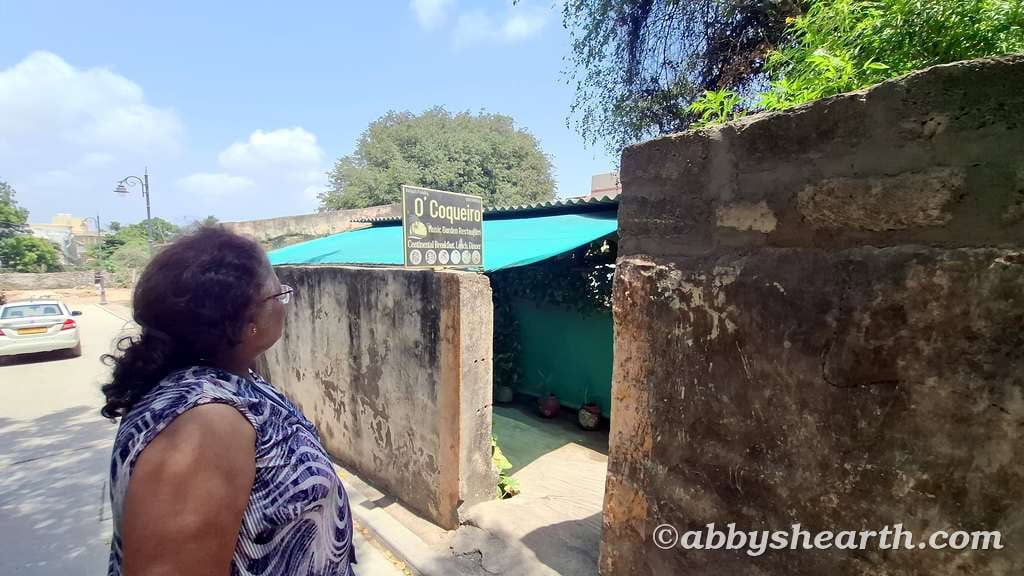
We headed to O Coqueiro for lunch. We expected it to be maybe Anglo-Indian, but it was the brainchild of a local named Santosh.
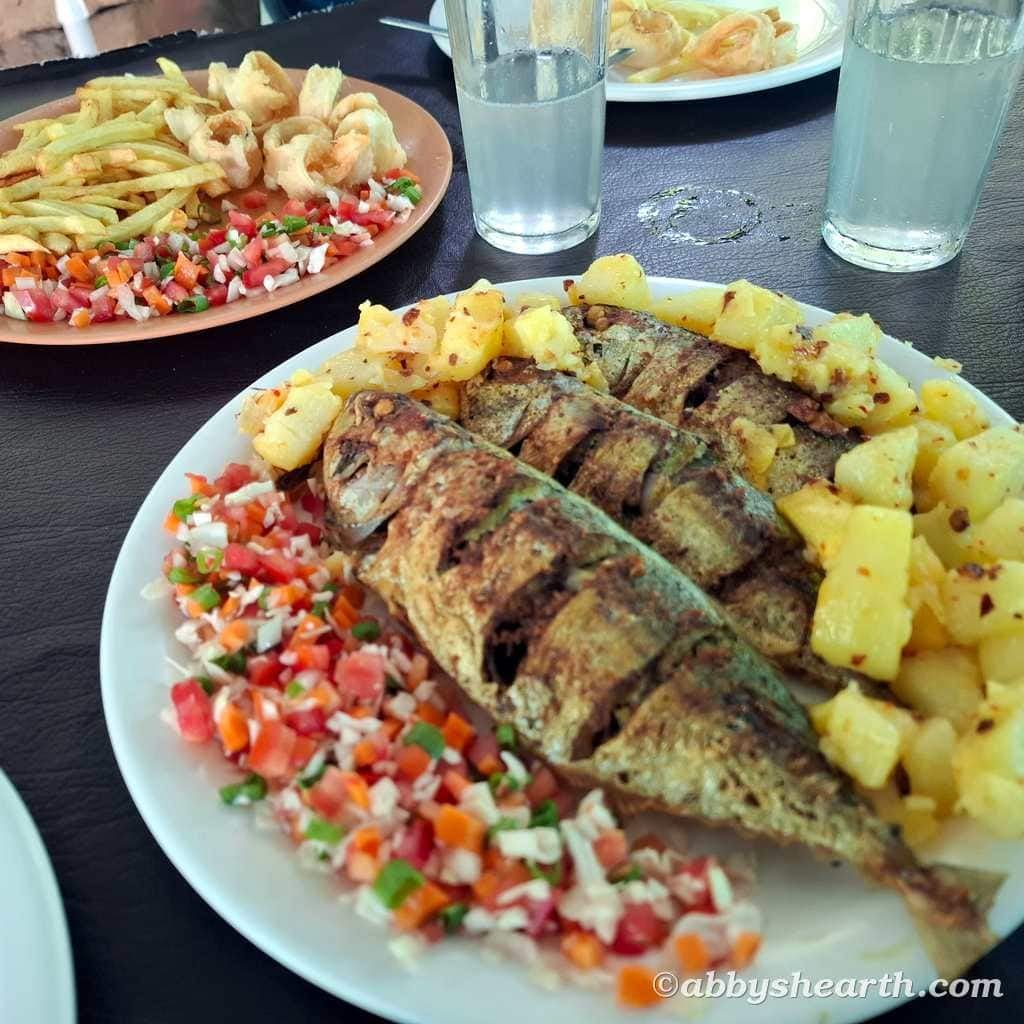
Generous portions, good fish, and the owner nearby for a chat. I found it on the saltier side, but dad found it quite satisfying. No beer, and no alcohol served here, but you can order a kokam sherbet or nimbu soda. You can also hear the kids studying in the school nearby and hear the consistent chirping of different birds.
Street food on Nagoa Beach
Nagoa Beach is lined with more than two dozen eateries, both veg and non-veg. You’ll see it frequented by tourists, most of them women groups from Gujarat speaking in that loud familiar language from the next state. We stopped at one and had some crab curry with rotis, while the parents also had prawn curry.
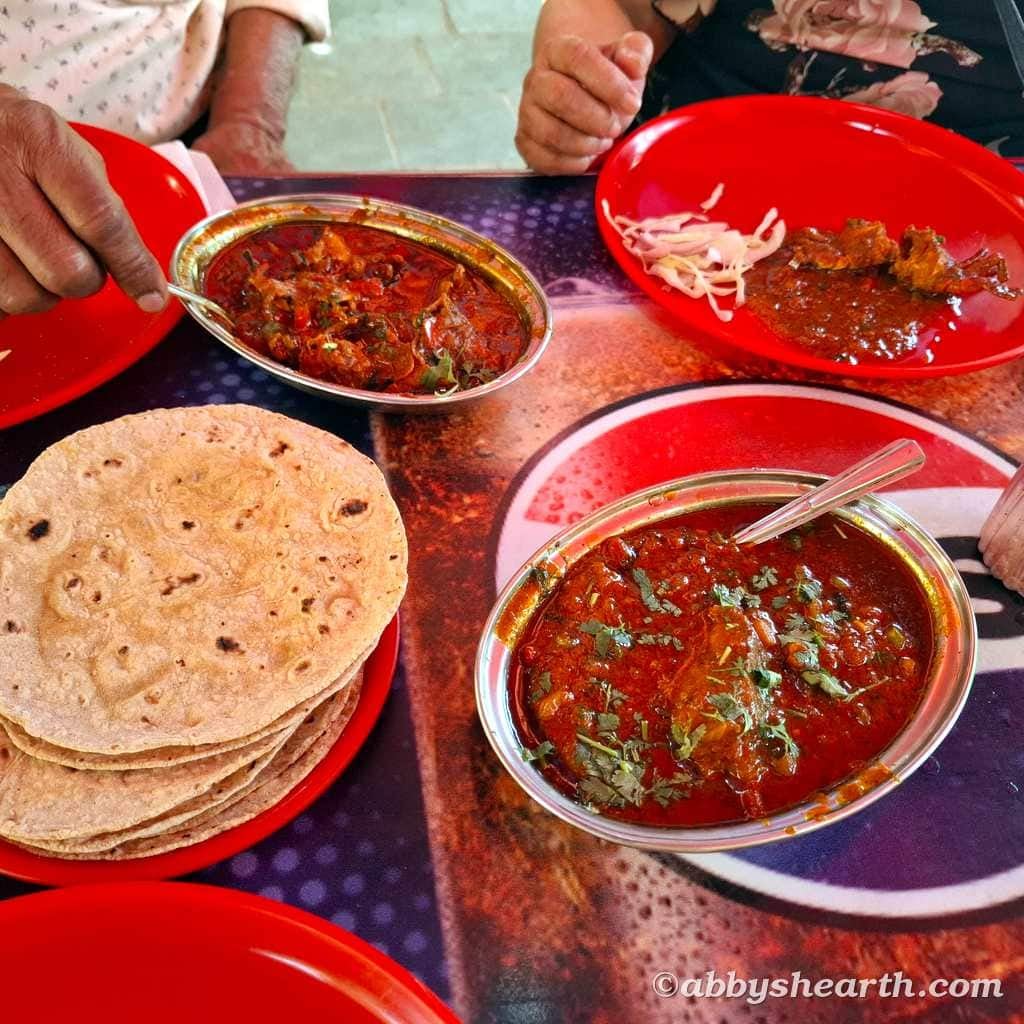
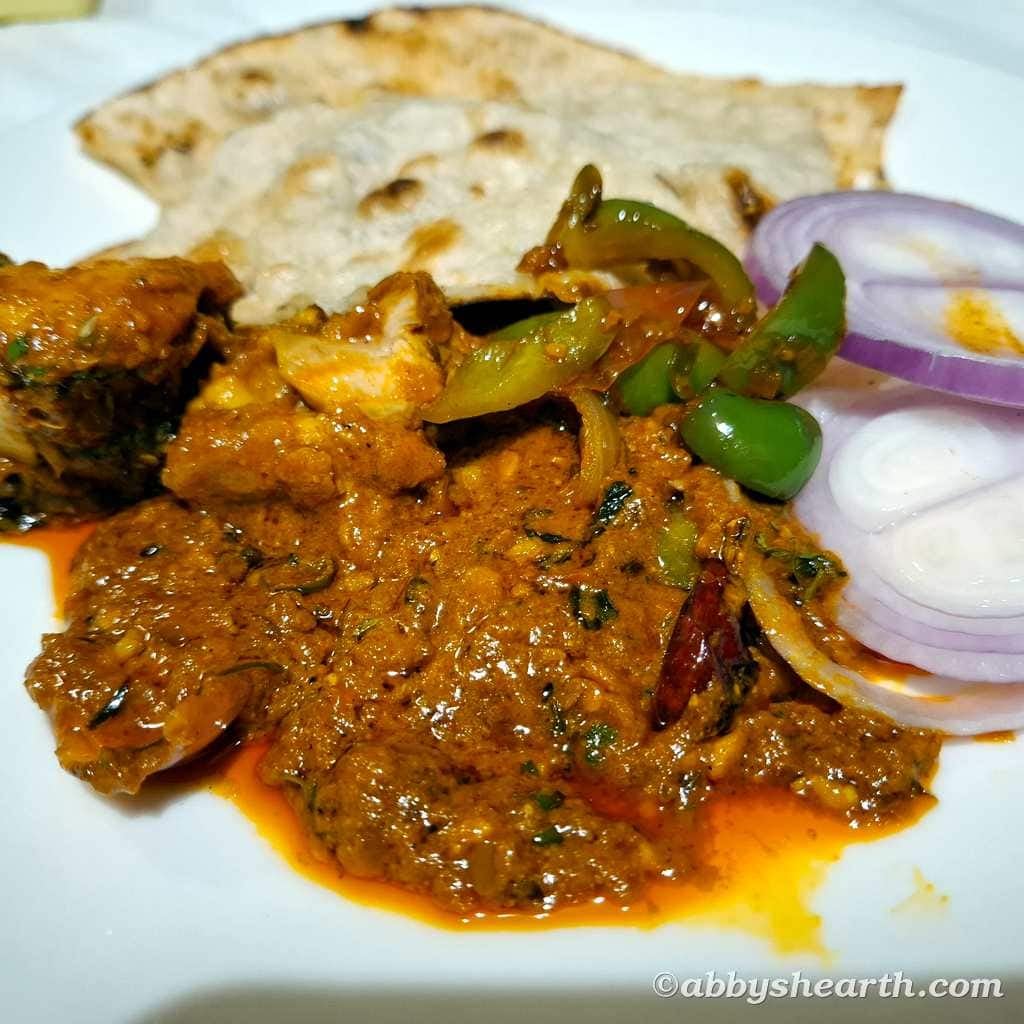
From another place we ordered chicken kadai and naans for two of us, and pasta for one of us. All pretty good.
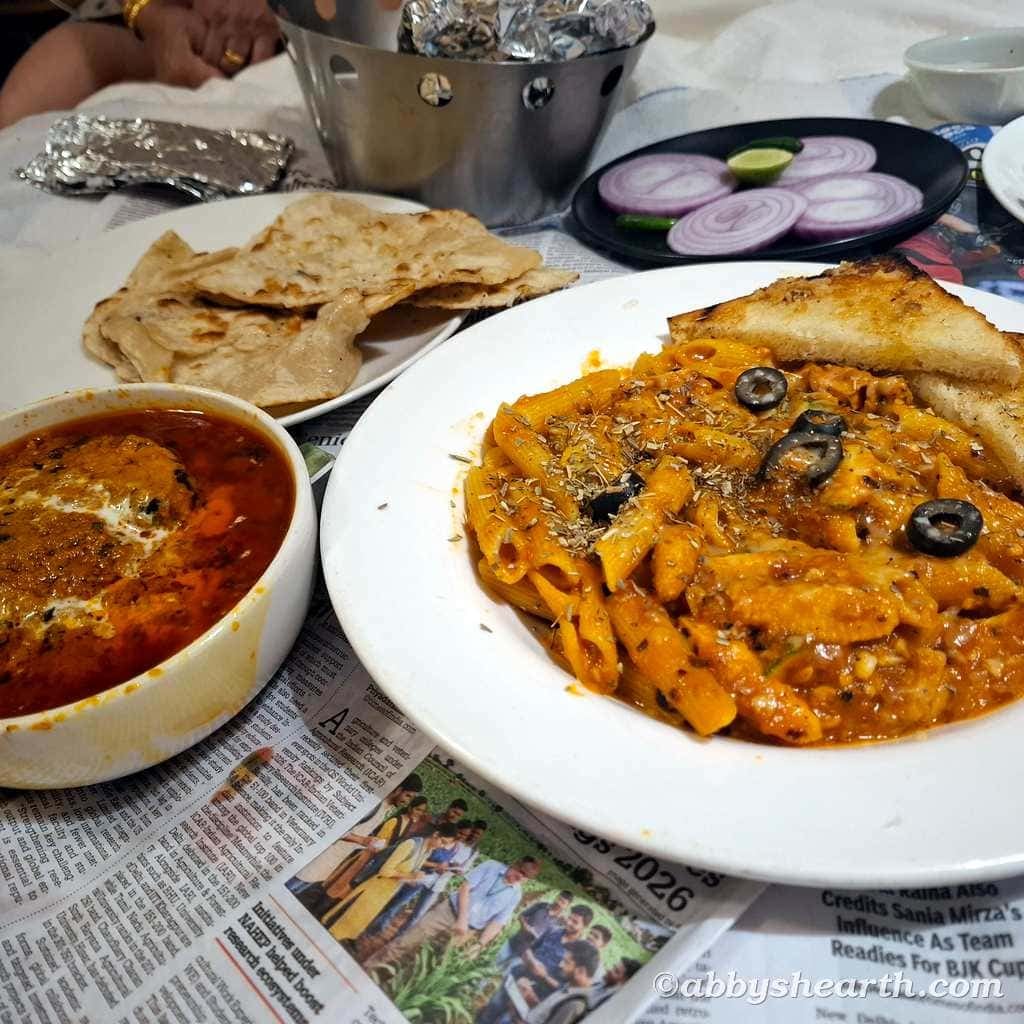
From the room service at Kamnath Zinc itself, we ordered paneer kadai and chicken kadai with naans. And it was really tasty.
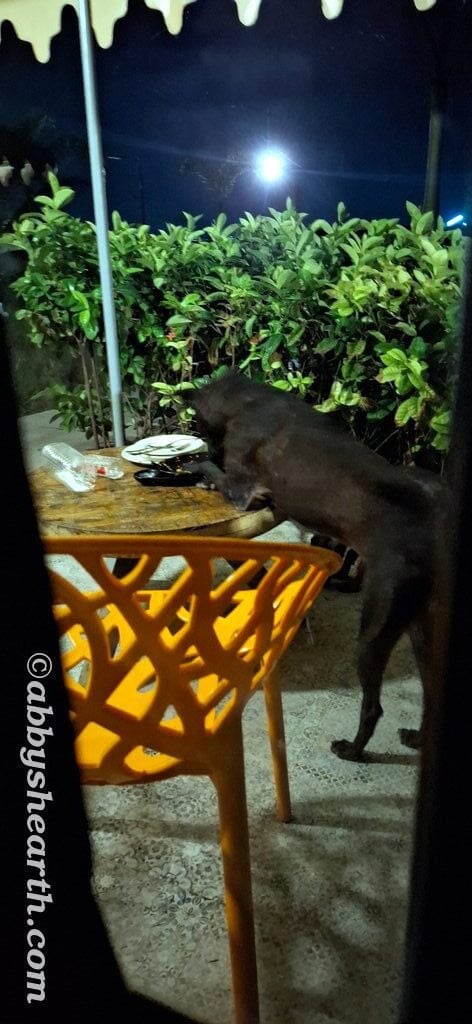
Just remember not to leave the dishes outside on the patio tables or the dogs will come for them, and there are really many around. We left the dishes out on our first night, and soon enough the local strays and the local dogs that were allowed in the compound had smelled the food. We called reception to tell them that no one had come for our food trays, and found out that the stray dogs eating food from trays and licking up the leftovers was a regular event. I daresay, we didn’t leave our plates and trays out there again.
A Note on Alcohol in Diu
You’ll read that Diu is “the place to drink” near Gujarat. Technically true — it’s not a dry territory — but don’t expect cheap cold beers with your seafood unless you’re sitting in a local bar. The local bars are really cheap, but the crowd gets rowdy and is mostly male. We tried checking one that supposedly had a family section, but that too was not decent enough for anyone to sit in. For the other sort of crowd though, Diu is a drinking paradise.
And then you’d think okay, maybe we can buy a few beers and take them back to our hotel room. But it seems they don’t let you take alcohol out of the bars. Strict adherence to rules. And get this, we were told there are only three liquor stores in Diu, and two of them were closed because of renovations.
The last one was the one we found in Diu Town, a little bit away from the so-called Foran Market. The owner said that they were short of stock because the liquor stores were protesting the added restrictions that the government was imposing. So although we got a few beers there, the rest we had to order from the hotel itself. And prices in these nicer hotels are triple the price of a normal city. Worth knowing before you arrive.
Getting To Diu and Back
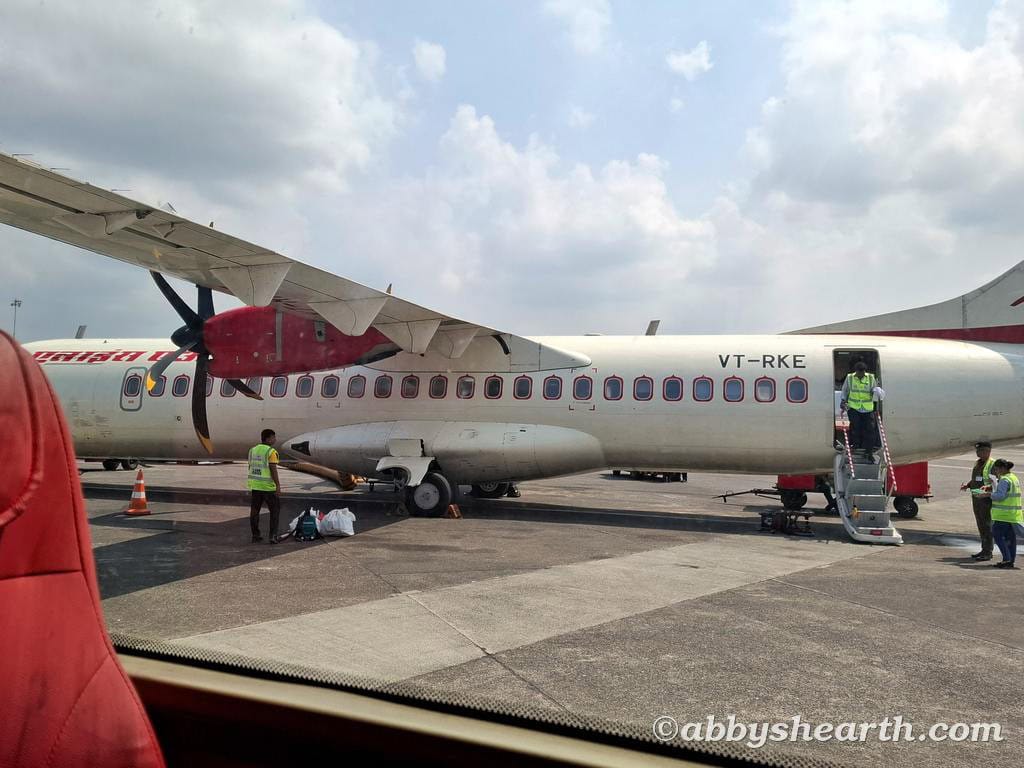
We got to Diu by flight from Mumbai, although you can also drive there or take the train to Veraval Railway Station which is 90 kms away, and then rent a cab. Diu Airport was nice and small though. Once a military airport, it’s really not used much, with just a handful of flights coming in and out. Our flight was on an ATR72 which is one of those twin-propeller engine planes. Finally got to get on one!
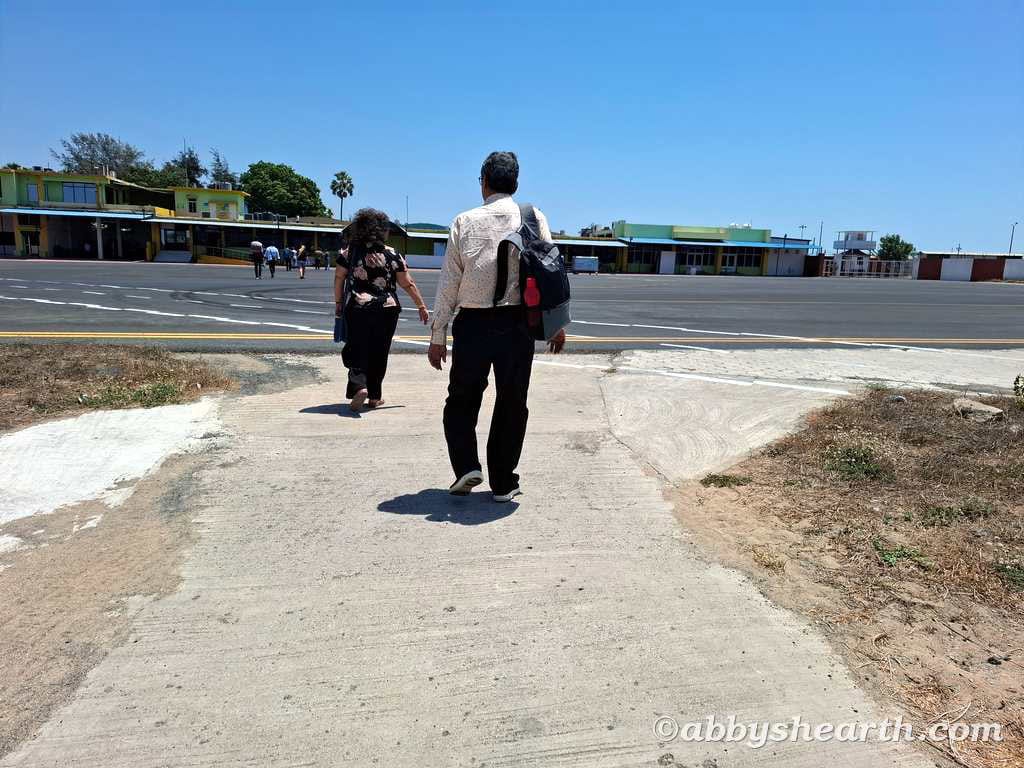
For the sightseeing itself, local taxis charge about INR 2,500 per day, and it fits comfortably into a single half-day (we did 10am–3:30pm), which makes a longer stay worthwhile for actually relaxing rather than rushing.
Senior Travel Tips for Diu
- Carry water. It’s really hot in the day time, especially in summer.
- Ask for a room near reception.
- St Thomas has a lot of steps.
- Dogs in the hotel compound: keep trays inside.
- Take the buggy at Diu Fort — non-negotiable.
- Diu Fort entry is payable by card-only. So is the ship INS Khukri.
- Most sights close by 5:30–6 pm — start the fort cluster no later than 10 am
- Alcohol is available but expensive at good hotels, but if you’re the type who can sit in dingy joints, you’ll find it cheap. Adjust expectations accordingly.
- Check Naida Caves and any other site for closure before visiting — several are under renovation
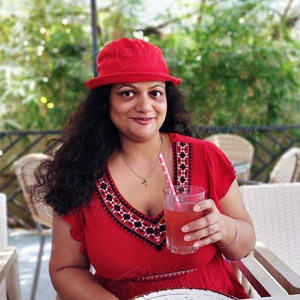
Heya, I’m Abby! I’m a Gourmand Award-winning cookbook author and East Indian from Bombay, India. This blog is all about faith, food, and culture – from East Indian recipes to home, DIY, and spending time in the Word. Find out more about me here!