Jujubes, or jujips as we say at home, are the soft, chewy, sugar-dusted jelly sweets that turn up on the koswad, which is our Christmas tray every year. Mom makes them with gelatine, sugar and water, adds a little lime juice, and by the next morning the whole batch is ready to cut and share. Children grab them first. Adults sneak a few more.
This is our family’s East Indian jujubes recipe. It makes about 60 pieces depending on the sizes cut, needs only a handful of ingredients, and doesn’t need a candy thermometer. You stir, you wait, you cut, you roll in sugar.
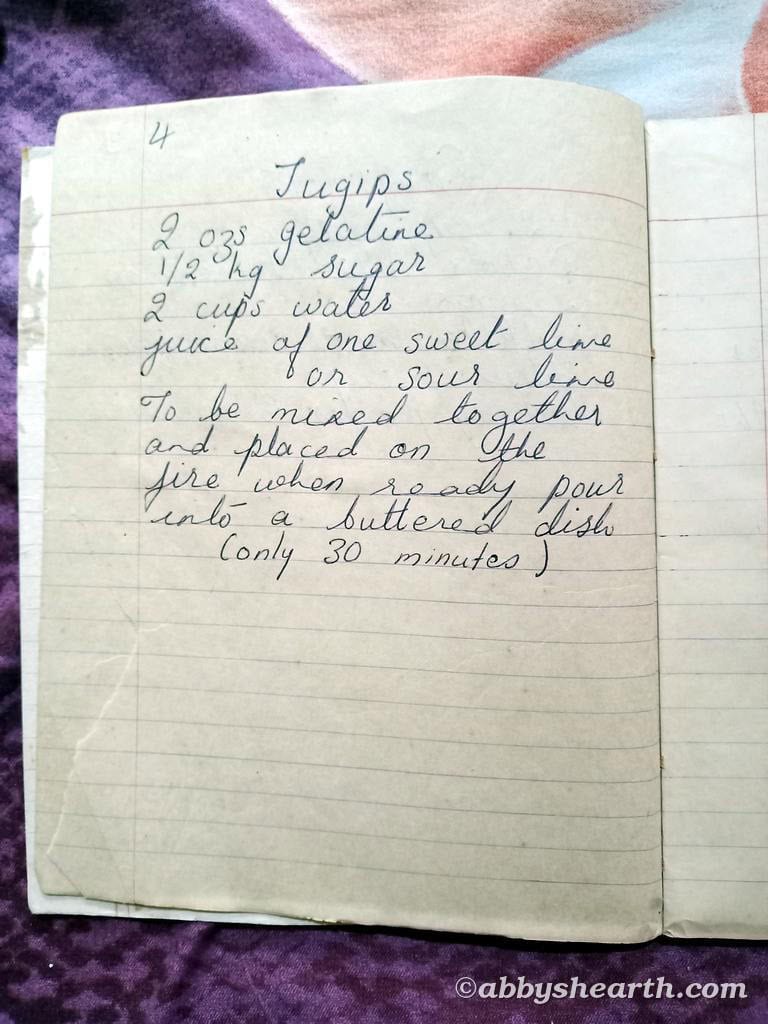
What Are Jujips (Jujubes)?
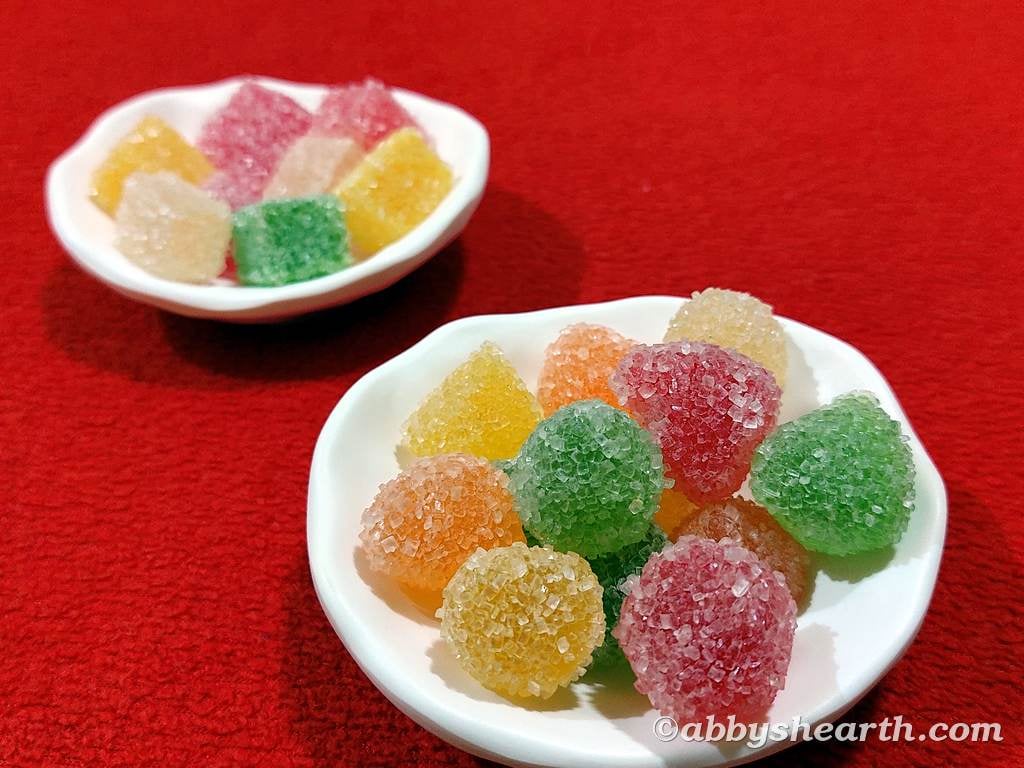
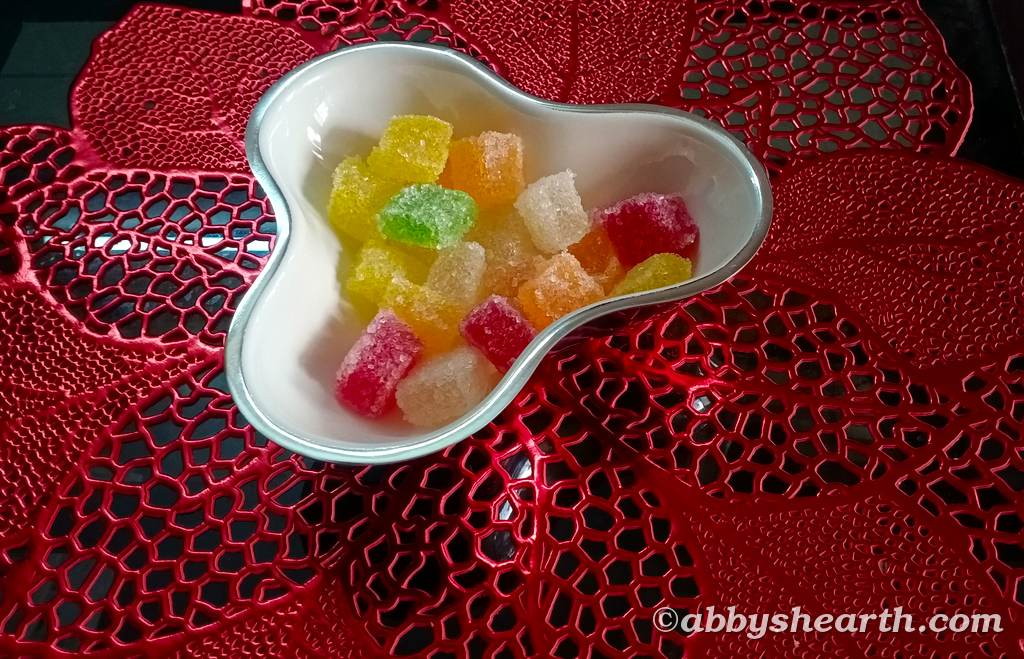
Jujips and jujubes are the same sweet. We East Indians say jujips, and most recipes online say jujubes. They are cubes, diamonds or rounds of firm, fruity jelly, coated in sugar, that you can pick up and eat with your fingers.
They aren’t related to the jujube fruit (called ber in India). This is a homemade gelatine sweet. People often call it the Indian version of Turkish delight, and that fits because they’re firm yet soft brightly colored cubes in a coat of sugar. Jujips are set with gelatine, so they are bouncier and chewier than Turkish delight which is usually made with corn starch.
Jujips on the East Indian Christmas Tray
In the East Indian community of Mumbai, Christmas sweets are made weeks ahead. Then a day or two before Christmas, or on Christmas Day, they shared in platters (called koswad) with relatives and neighbours. Jujips sit on that platter next to kulkuls, date rolls and thalie sweet. Goan Catholic families make them for their Christmas platters too. You can see the full spread in our list of East Indian Christmas sweets.
They’re also one of the easiest sweets on that list. If you’ve never made a Christmas sweet before, start here.
What You Need
- Gelatine: 60 grams
- Sugar: 500 grams for the jelly, plus 200 grams caster sugar or fine sugar for rolling
- Water: 500 millilitres, plus a little warm water to soak the gelatine
- Butter: 2 tablespoons, for greasing the tray
- Optional: juice of 1 sweet lime or sour lime (or a few drops of any essence), and red, green or other food colouring
The lime juice is not part of the old tradition. Mom learned it from a friend at work back in the 1980s and has added it ever since, because it gives the sweet a little tang. Leave it out if you prefer a plainly sweet jujip. The full measurements are in the recipe card at the end of the post.
How to Make Jujubes at Home
Grease a thali, tray, or cake tin with butter and set aside. (More thalis for each color you want to use.) Soak the gelatine in warm water for 5 minutes until it fluffs up. Transfer it to a pot along with the sugar, water, and sour lime or sweet lime juice, or essence of your choice.
If you’re making just one colour of jujips, add the food colouring at this stage. Stir the mixture continuously for about 30 minutes until it thickens considerably.
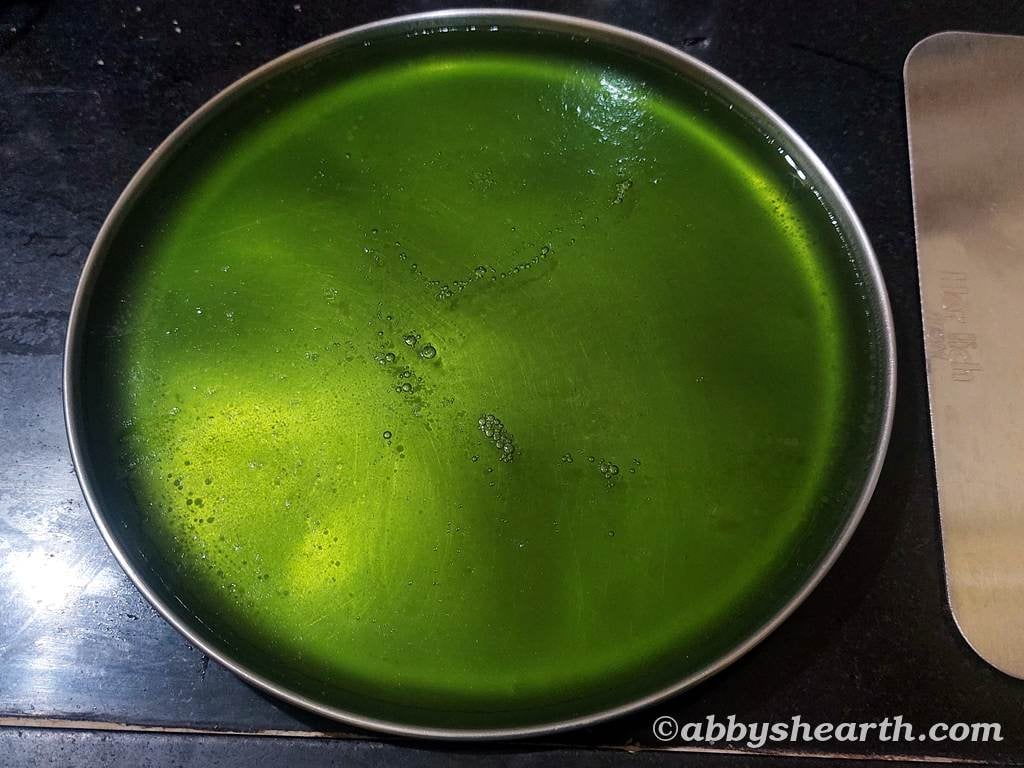
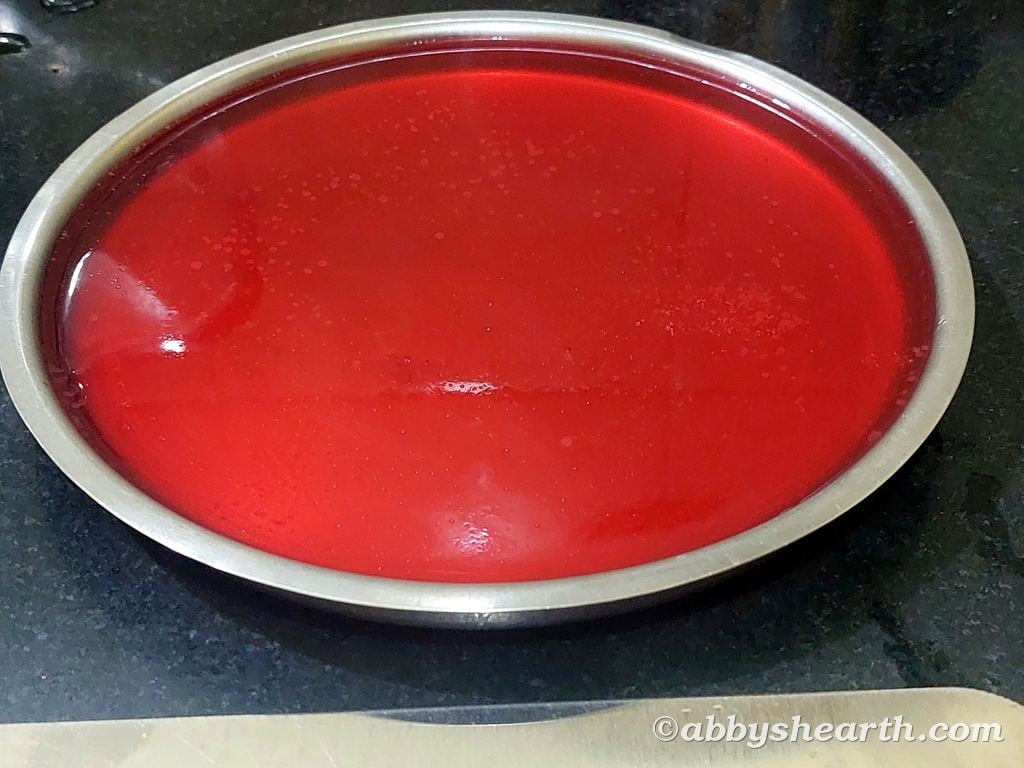
If you’re using different colours, wait till after the mixture has thickened and the stove is off. Divide the mixture into separate bowls and gently mix in the desired red, green, yellow, orange or other food colouring. You can also leave it colorless if you prefer.
Pour the mixture into the prepared buttered tray, thali, or cake tin and leave it to set at room temperature for about 2 hours. Overnight is better.
Cutting and Coating
Once set, cut into squares or diamond shapes, or use a plunger cutter to get circles. One trick mom sometimes uses is coat the entire piece in sugar before cutting.
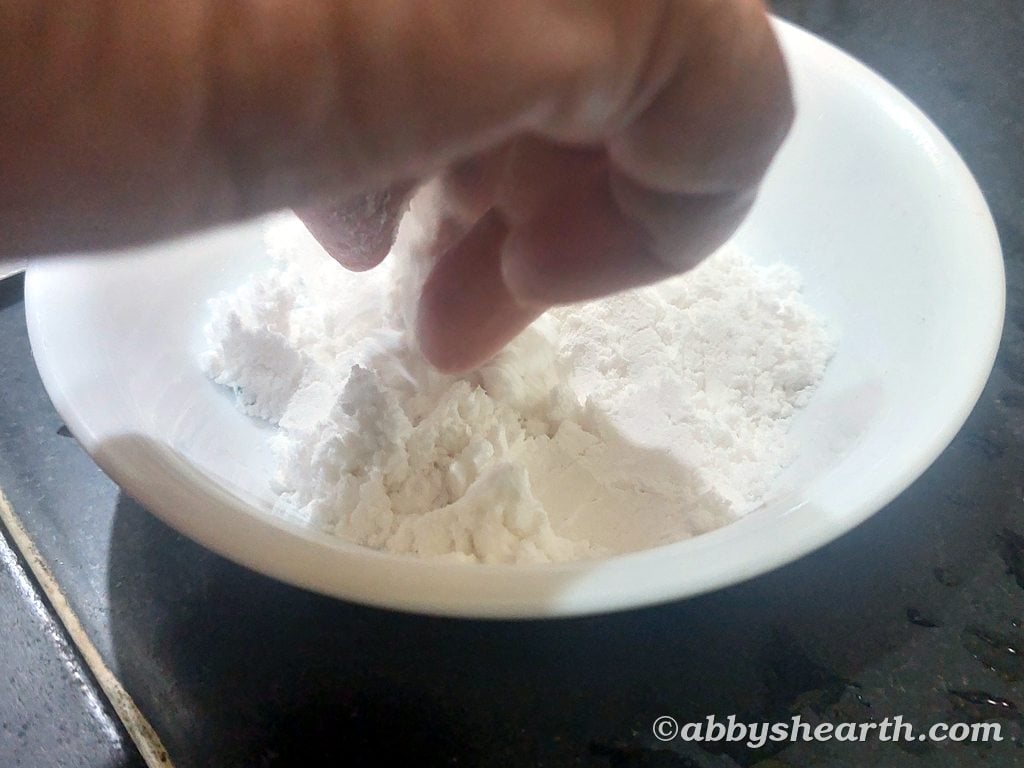
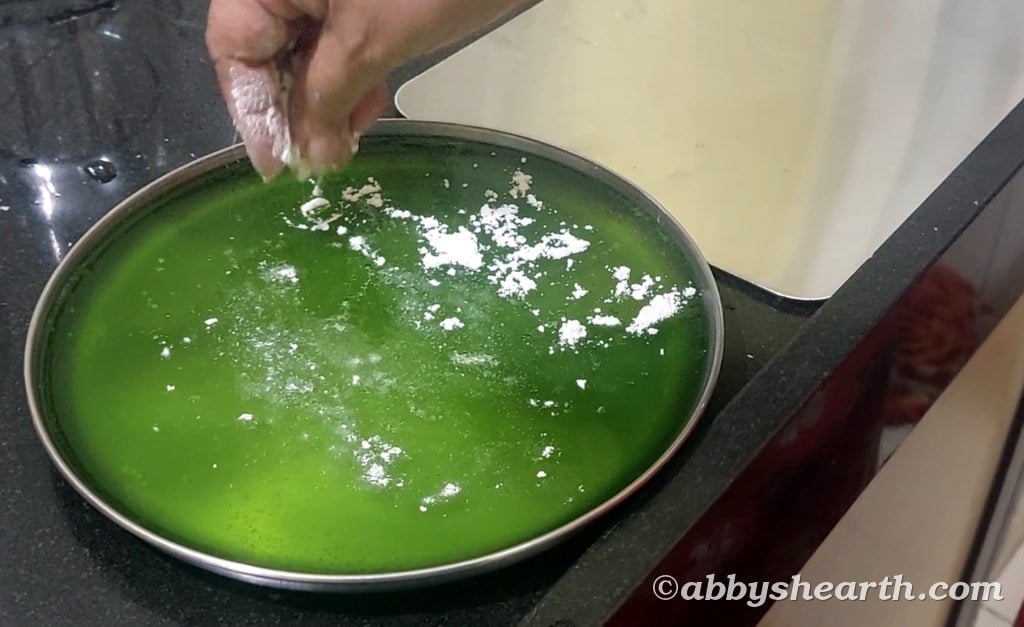
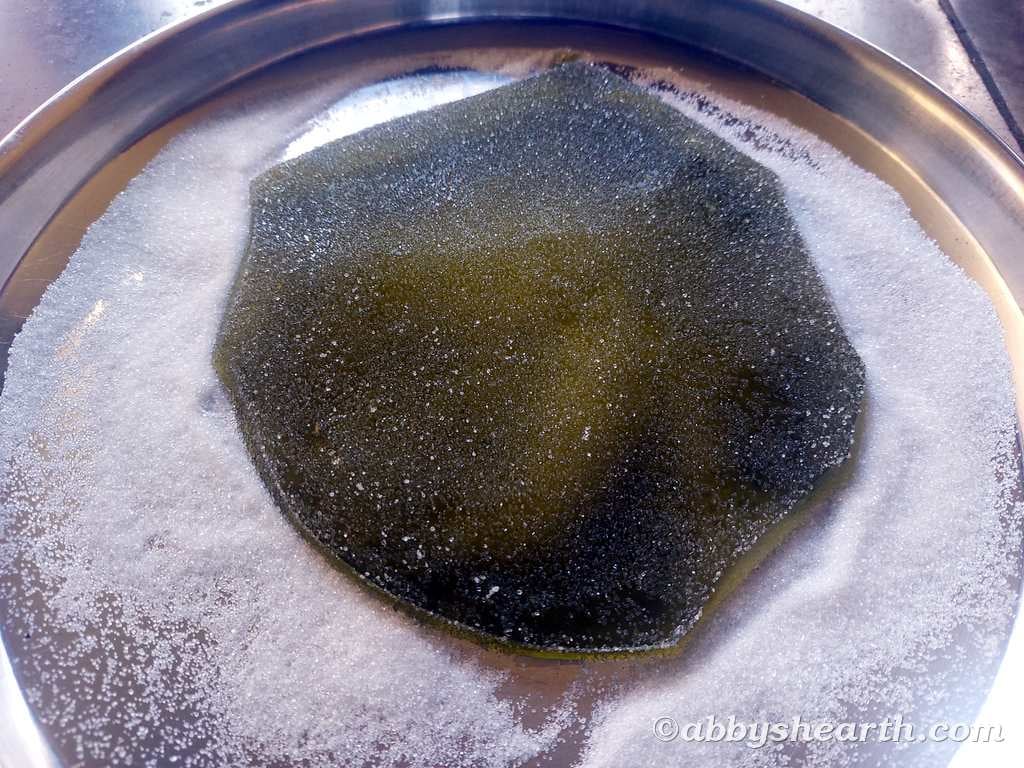
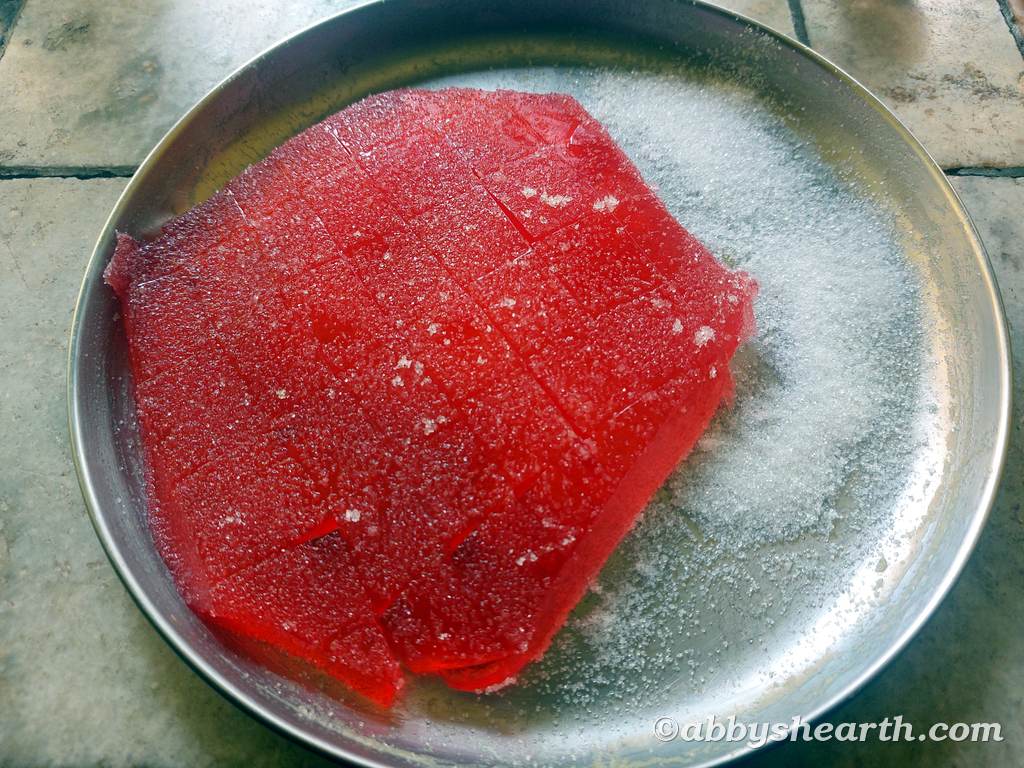
Add castor sugar or fine sugar to a plate. Roll each piece of jujube or jujip in the sugar and place in another tray to set more firmly. Do this for two hours at least, but leaving it alone overnight is better.
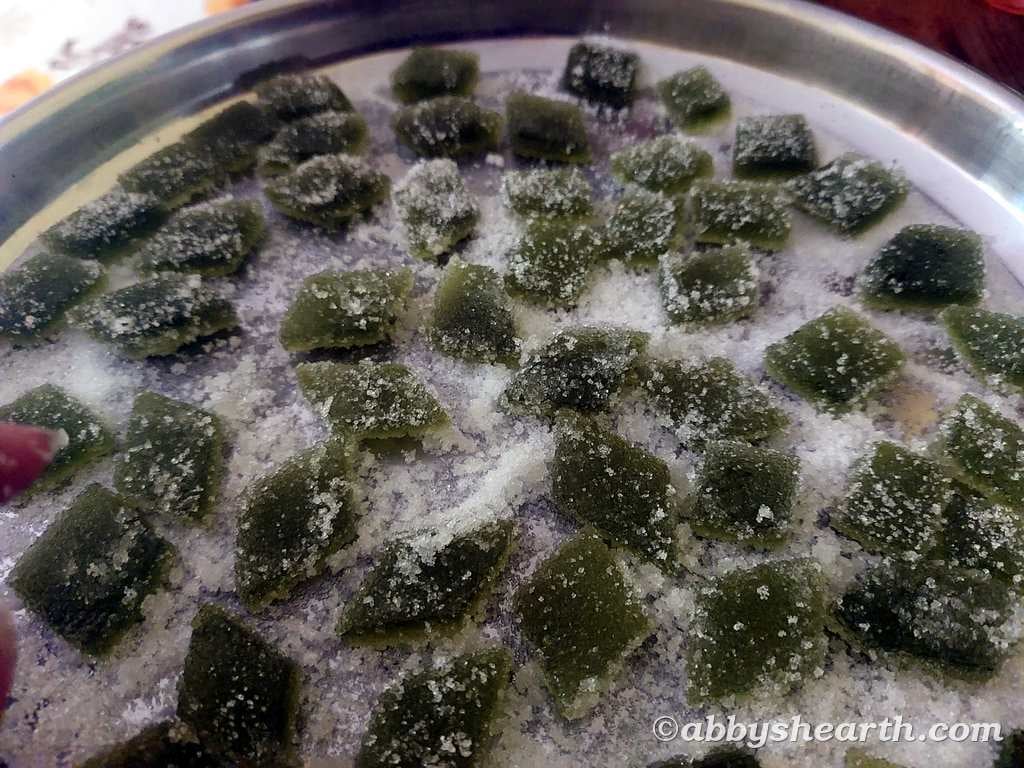
When they’ve dried, dust the extra sugar off each piece with a clean dry cloth. Now they’re ready to eat or to pack into the Christmas tray.
Tips for Soft but Firm, Bright Jujips
- Keep stirring. The 30 minutes of stirring is what thickens the mixture. Stop early and the jelly sets too soft to cut cleanly.
- Tap out the bubbles. After pouring, tap the tray gently on the counter so the bubbles rise and the jelly sets clear and shiny.
- Colour after the stirring. For more than one colour, divide the thickened mixture into bowls and colour each one separately. Grease one tray or thali for each colour.
- Be patient with the set. Two hours works, but overnight gives you firmer pieces that cut more easily.
- Give the sugar coat time to dry. Let the cut and rolled pieces sit for at least two hours before you dust them. A damp coat turns sticky.
Ways to Change It
You can leave the jelly colourless, or colour it red, green, yellow or orange. You can flavour it with sweet lime juice, sour lime juice or a few drops of any essence. For the sugar coat, caster sugar and powdered sugar both work. Cut squares or diamonds with a knife, or make rounds with a plunger cutter.
We used to make a lot more colors when we used to sell sweets back in 2013 and 2014. That was before we decided to just focus on sharing our recipes via the blog and our Gourmand award-winning cookbooks.
How to Store Jujubes
Once dusted, pack the jujips in a dry, airtight container, with a piece of parchment between layers if you stack them. Keep the container away from steam and damp air. Sugar-coated jelly pulls moisture from the air, which is why the coat can turn sticky in humid weather.
East Indian Jujubes (Jujips) Recipe for Christmas
Click the stars to add your rating! Left you don’t like it, right you love it!


Ingredients
- 60 grams Gelatine
- 2 Tablespoons Butter For Greasing
- 500 grams Sugar
- 500 millilitres Water
- 200 grams Caster Sugar or Fine Sugar For Coating
Optional
- 0.25 teaspoon Red Colour
- 0.25 teaspoon Green Colour
- Any other food color
- 1 Sweet Lime Juice of one Sweet Lime or Sour Lime or a few drops of any Essence
Instructions
- Grease a thali/tray or cake tin with butter and set aside.
- Soak the gelatine in warm water for 5 minutes.
- Once it has fluffed up, add it to a pot along with the sugar, water, and sour lime or sweet lime juice or essence of your choice. (Mom adds the sour lime or sweet lime for tanginess, but you can leave it out if you wish.) If using only one colour, you can add it now.
- Stir for about 30 minutes till it thickens a lot.
- If using different colours, follow this step. Separate the mixture into different bowls and add the colour. Mix gently.
- Pour the mixture into a buttered tray, thali, or cake tin.
- Allow to set at room temperature for two hours.
- Once set, cut into squares or diamond shapes, or use a plunger cutter to get rounds.
- Add castor sugar or fine sugar to a plate. Roll each piece of jujube or jujip in the sugar and place in another tray to set more firmly. (Two hours at least, but overnight is also good.)
- Once it's set, dust the excess sugar off with a dry cloth and it's ready to delight everyone!
Please click to rate the recipe! Left you don’t like it, right you love it!
Notes
- You can leave it colorless.
- You can roll in castor sugar or powder sugar.
- We usually dust the extra sugar off each piece with a clean cloth after it has dried.
Nutrition (Per Serving)
Disclaimer: Nutrition Information per serving is estimated by a third party software based on the ingredients used, and is for informational purposes only. It will vary from product to product, based on methods of preparation, origin and freshness of ingredients. Please consult the package labels of the ingredients you use, or chat with your dietician for specific details.
This printable recipe card is for home use only. For more recipes head over to AbbysHearth.comJujubes FAQs
Is a jujip the same as a jujube?
Yes. Jujip is what we East Indians call the dessert, jujube is the name you’ll see in most Western recipes. It’s the same gelatine sweet either way.
Are these made from the jujube fruit?
No. The jujube fruit (ber) is a different thing. These sweets are made from gelatine, sugar and water, with lime juice or essence for flavour.
Do I need a candy thermometer?
No. Our method has no thermometer. You stir the mixture for about 30 minutes until it thickens a lot, then pour it into the tray.
Can I make jujubes without lime juice?
Yes. Lime juice is an addition Mom picked up in the 1980s from a friend at work. It’s not a traditional rule for the sweet, but we like it because it adds a bit of tang. Leave it out, or use a few drops of essence instead.
Why are my jujubes sticky or “sweating”?
Most often it’s damp air, or the sugar coat did not dry long enough before it went into a container. Roll the pieces in sugar, leave them for at least two hours (overnight is better), dust off the extra sugar, and store them airtight in a dry place. You could also try to thicken the syrup a bit more the next time.
Can I make jujubes vegetarian?
True gelatine comes from animals, so this recipe is not vegetarian. We’ve only made it with gelatine, so I can’t promise how a substitute would behave. But that being said, many Indian food brands sell something called veg gelatin which isn’t gelatin at all, but a mix of plant-based stabilizers and/or carrageenan-blend powders. It mimics the look of real gelatin and haves in the same way too. So if you happen to be in India, and tried this veg gelatin, yes, it should work.
How many jujubes does this recipe make?
Our recipe makes about 60 pieces, but it can vary depending on how big or small you cut the pieces.
Jujips are one of the recipes in the Christmas chapter of our cookbook, Jevayla Ye. If you would like the rest of our family’s East Indian recipes in one place, you’ll find them all in Abby’s cookbooks.
Other Posts You Might Like
- 18 Traditional East Indian Christmas Sweets
- Kulkuls – Crispy East Indian Christmas Sweets
- Date Rolls – Shortbread-type Cookies with Walnuts and Dates
- Moulded Walnut Fudge and Cocoa Fudge

Heya, I’m Abby! I’m a Gourmand Award-winning cookbook author and East Indian from Bombay, India. This blog is all about faith, food, and culture – from East Indian recipes to home, DIY, and spending time in the Word. Find out more about me here!