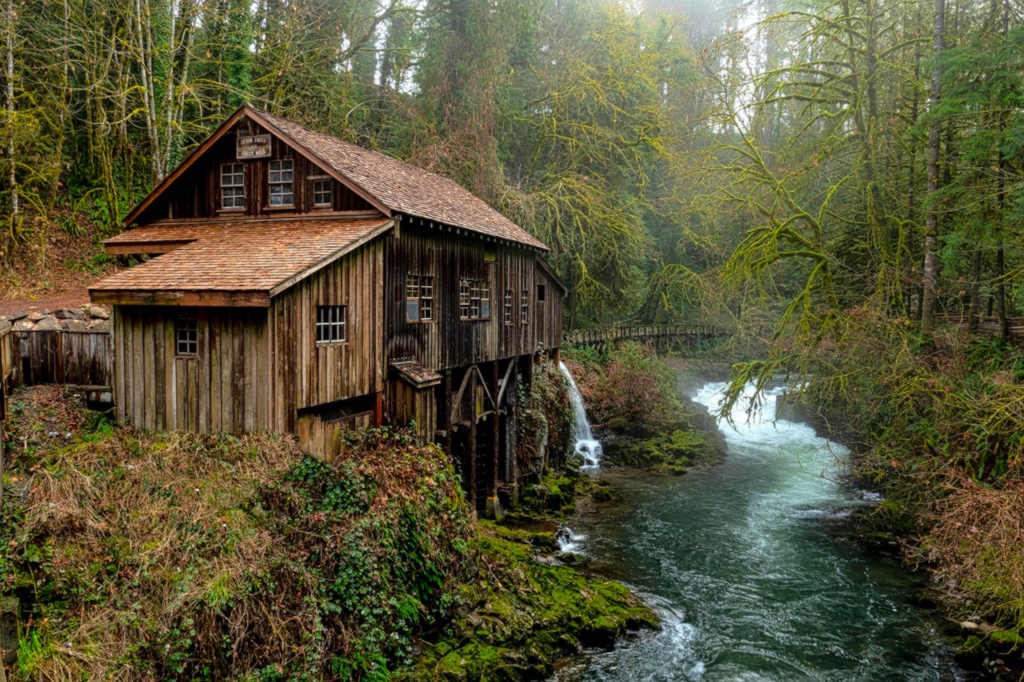
Living Off the Land with Much Less Stress
Homesteading speaks to something deeply rooted in us — a return to slower days, purposeful work, and a closer connection to the land. For many families, it’s about growing food, raising animals, and building a life centered on self-reliance. But as anyone who’s pursued this path knows, the dream often comes with a really steep learning curve.
One of the biggest challenges is choosing the right kind of shelter for your loved ones. Between zoning issues, construction delays, and rising material costs, that vision of a peaceful, off-grid lifestyle can quickly become complicated — especially for families trying to live on-site while building over time.

This is where park model cabins appeal to those who want the simplicity without sacrificing their comfort. They offer a practical way to begin living the homestead life a lot sooner, with fewer obstacles and more flexibility. For many, these cabins create the bridge between their long-term goals and essential day-to-day functionality.
Why Traditional Builds Can Be Overwhelming
Many new homesteaders imagine building their own homes from scratch. While rewarding, the reality often involves getting permits, adhering to codes, weather delays, contractor coordination, and quite a few unexpected costs — all of which add stress to an already demanding lifestyle.
Even seasoned DIYers can find themselves short on time, especially while managing animals, gardens, yards, and family responsibilities at the same time. The emotional toll of a drawn-out home building project is often underestimated, particularly when your originally estimated timelines stretches into months or years.
Step in park model cabins, which offer a more manageable alternative. Fully finished and ready to use when delivered, they dramatically reduce the setup time. Some can be installed and made livable in a matter of days, giving families a solid base while they gradually expand or develop their land.
What Are Park Model Cabins?
Park model cabins are small, factory-built homes designed for both comfort and efficiency. Generally under 400 square feet in area, they’re constructed to be placed on a semi-permanent foundation and include all the essentials — a full kitchen, bathroom, climate control, and quality finishes.
For those looking to simplify their homesteading setup in the Mid-Atlantic, park model cabins Maryland residents are choosing offer a balanced solution: quick installation, long-term durability, and minimal maintenance. They’ve helped these families get established without the delays or demands of a traditional build.
These cabins are often designed with rustic touches — natural wood finishes, pitched roofs, and front porches — making them feel like a natural part of a rural setting. And because many are built to RV specifications, delivery and setup are typically fast and require minimal site preparation.

Ready for the Land: Park Model Cabins in Maryland
Maryland homesteaders need structures that can handle both humid summers and cold winters. Park model cabins often come insulated and weather-ready, built with durability in mind for year-round use. Many also include heating and cooling systems, which can be especially important for families planning to live in them full-time.
They also fit naturally into a rural property layout. Whether placed as a main residence or a secondary unit, these cabins can serve as guest spaces, teen apartments, or even vacation rentals for added income. For multi-generational households, they provide privacy while keeping the family close by.
Since they’re often categorized differently from traditional homes, they may offer more flexibility with local zoning — an important consideration for anyone working with raw land or unique property layouts. Always making sure to check with local authorities before installation can help avoid delays or unexpected restrictions.
Making the Most of a Small Space
One advantage of park model cabins is that their size encourages intentional living. Every square foot is used thoughtfully, making the space versatile and adaptable.
Some families live in them full-time while building a larger home nearby. Others use them as guest quarters, hobby spaces, or homeschool rooms. With multipurpose layouts and smart storage, a small cabin can support many functions at once.

Even limited square footage can feel spacious enough when the interior is well-designed. High ceilings, loft areas, and built-in furniture help to maximize their usability. To enhance comfort and style, many homesteaders explore design ideas for cozy, compact spaces. The goal isn’t to live with less comfort, but to make every space serve a clear purpose.
Real-Life Use: Adding a Cabin to Your Homestead
Park model cabins offer flexibility for people at different life stages and with various needs. Some families use them to live on-site while improving their land. Others add them later to expand living space, accommodate their guests, or create a retreat area.
They’re also ideal for testing out off-grid systems like solar power, composting toilets, and rainwater collection — all without committing to a large structure. Their small footprint and turnkey design make the transition smoother for those trying to simplify or downsize from the hustle and bustle of city or town life.
In some cases, homesteaders use these cabins as a creative workspace, writing room, or art studio — far enough from the daily noise, but close enough to stay connected. A thoughtfully placed cabin can become a peaceful place to read and reflect, giving one space for rest, creativity, or simply some quiet time without leaving the property.

Simple Shelter, Strong Foundation
Homesteading is about more than just growing food or building structures — it’s about creating a life that reflects your values. Park model cabins offer a realistic, approachable step toward that life, helping many families get on the land, live intentionally, and grow into their homestead without unnecessary setbacks.
Whether used as a starting point, a flexible extension, or a private retreat, these cabins provide not just shelter to the user, but a solid foundation for a simpler, more purposeful way of living. They let families focus on what really matters most — the work of building a life that feels whole.
Other Posts You Might Like
- Bible-based Christian declarations
- Landscaping projects for homeowners who love the land
- Cottage cheese recipe
- Praying for your future spouse
- Christian fasting


