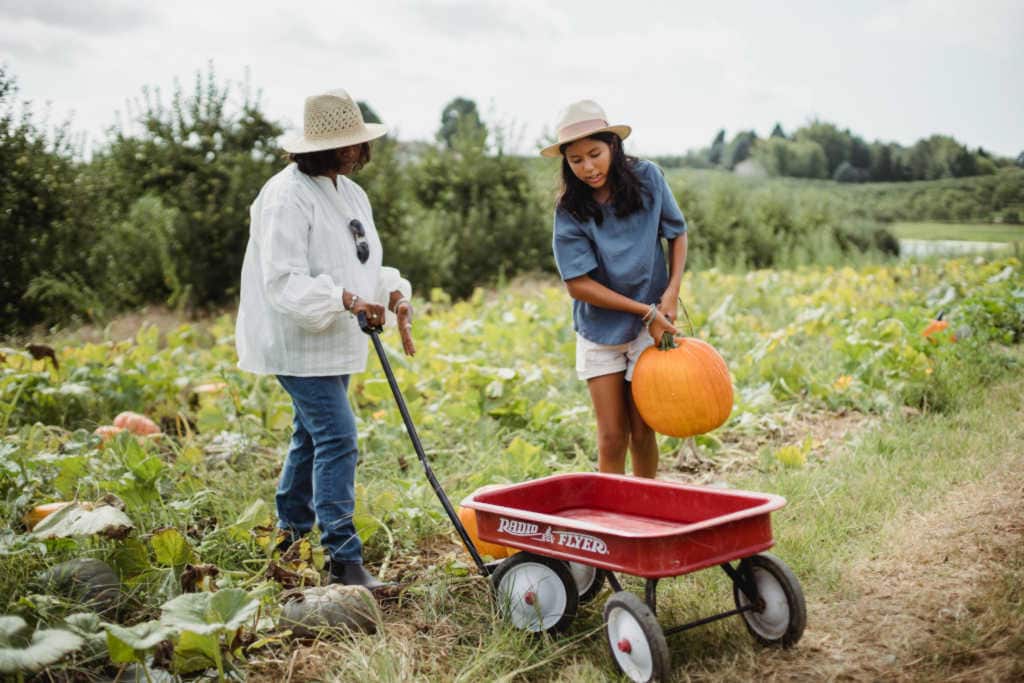
Garden or yard care routines rarely stay the same for long. They change with daylight, weather, and the different kind of work that each season brings. What stays consistent is the need to move things alongside those rhythms. A wagon supports that movement in a way that feels simple and unremarkable, which often makes the difference between a routine holding together or quietly slipping away.
Spring brings soil bags, seed trays, and tools that never seem to stay clean for long. Summer adds water jugs, towels, loose equipment, and the steady back and forth that comes with long days outside. Fall brings heavier loads, from full harvest baskets to branches and endless piles of leaves. Winter strips things back to the basics: firewood, snow gear, feed, and other bulky items that need to be moved quickly and put away.
This repetition matters. When the same tool supports many small tasks throughout the year, outdoor time stops feeling like something that requires planning or ideal conditions. It becomes part of daily life. A wagon does not create those rhythms on its own. It simply removes friction. By making shared work easier and movement more fluid, it helps outdoor spaces stay active through months when motivation alone tends to thin out.
Why Year-Round Outdoor Use Depends on Practical Tools
People don’t stop using their gardens or lawns because they stop liking them or caring for them. They stop because it starts to feel like a hassle. Mud shows up exactly where you don’t want it. Cold turns a quick step outside into coats, gloves, and complaints. Heat makes every trip feel heavier, especially when you’re carrying things. When being outdoors comes with extra work, it quietly slips out of the everyday routine.
Practical tools help to reduce that resistance. They make movement easier, shorten setup time, and absorb a bit of the mess that comes with real use. A space that supports carrying, hauling, and shared work stays relevant longer into the year. The yard or garden or patch of land outside your door then starts to feel more like an extension of the home.
This kind of functionality depends on adaptability rather than perfection. Equipment and tools that can handle uneven ground, changing weather, and the ever changing needs of families allow them to use their outdoor spaces without constant recalibration. When stepping outside feels manageable, even on cold, wet, or in-between days, it becomes part of a habit rather than a seasonal project.

Outdoor Wagons as Functional, Multi-Season Tools
Some outdoor tools earn their place by staying useful when conditions change. Outdoor wagons fall into that category because they solve the same problem in every season: moving things when hands alone fall short. That need does not disappear when summer ends. It simply changes.
In warmer months, a wagon carries garden supplies, picnic food, water jugs, or loose tools that tend to scatter across a yard. It might even carry the younger kids who love going for rides pulled by the older ones. As temperatures cool, the load changes to harvested produce, fallen branches and leaves, and mulch that needs clearing. When winter settles in, our work becomes heavier and slower. Wagons are useful for carrying chopped firewood, winter gear, feed, or bulky items that do not fit neatly under an arm still need to travel from one place to another.
What makes wagons especially useful across seasons is their tolerance for imperfect ground. Grass softens, paths freeze and thaw, and snow piles where it is least helpful. A tool that keeps rolling through those changes extends the usefulness of a garden or other outdoor space without demanding ideal conditions.
Over time, the wagon becomes less of an accessory and more of a default. It’s easy to use and ready for whatever task pulls someone outside, and quietly lowers the barrier between intention and action.
Durability and Design Matter for All-Season Use
Year-round tools live a harder life than seasonal ones. They sit through rain, sun, and cold. They get pulled across uneven ground, loaded in a hurry, and stored wherever there is room. When something is expected to work in every season, build quality stops being just a detail and becomes the main point.
Outdoor wagons that last tend to share a few traits: solid frames, stable wheels, and materials that age without falling apart. Wood, when treated and constructed well, holds up to weather in a way that feels honest. Scratches become symbols of consistent use rather than failure. Weight works in the tool’s favor, keeping it steady when loads shift or terrain changes.
Families who rely on a wagon through multiple seasons often look for a well-built wooden outdoor wagon that can handle weather, weight, and years of ordinary use without turning fragile. Brands like Lapp Wagons come up in these conversations because their wagons are built for steady, ongoing use rather than for a single season or purpose. The wagon becomes part of how the outdoor space functions and not something that needs frequent replacing.
When a tool is built to last, people actually use it. You don’t baby it or save it for perfect weather. You grab it on rainy afternoons and cold mornings without a second thought, and that ease makes it far more likely you will tend to the garden more often and stay out longer.

The Impact of Using Outdoor Wagons
Outdoor wagons rarely stand out at first glance. They do not reshape a yard or announce their presence the way larger features do. Their impact shows up in unseen ways, in how often people step outside and how little effort it takes to stay there.
When a tool stays useful all year, it changes how your family uses the outdoors. The yard stops feeling like a fair-weather place and starts working as part of everyday life. Gardening jobs don’t feel like a hassle, pitching in feels easier, and outdoor time isn’t limited to those perfect days. It becomes something you can count on.
That kind of consistency does not come from chasing seasonal upgrades. It comes from choosing tools that tolerate repetition, weather, and real use without complaint. Over time, those choices shape habits. And habits, far more than design trends or perfect timing, are what keep outdoor spaces lived in all year long.
Other Posts You Might Like
- Transforming your home space
- Why preventive home maintenance is important?
- What to eat in Sicily
- Is Florence on your mind?
- 13 Things you must do in Graz, Austria

