Most people don’t think about sound when choosing flooring. Colour, texture, how well it hides stains — sure. But in certain rooms, noise control matters just as much as appearance or transforming the room into something beautiful. Hard surfaces bounce sound around, amplifying footsteps and creating echo. Soft flooring absorbs it and turns a loud space into a noticeably calmer one.
Carpet does a quiet but significant job in how a home feels day to day. It dampens the clatter of daily life — footsteps on stairs, voices carrying between rooms. And choosing carpet for acoustic reasons doesn’t mean sacrificing style. Dense pile, quality underlay, and thoughtful placement all add up to a quieter home without compromising how it looks.
Choose Carpet Over Hard Flooring When Noise Is a Problem
Hard flooring reflects sound. Every footstep, dropped item, or dragged chair sends noise bouncing off the surface and back into the room. Carpet works differently — the soft fibres absorb sound rather than throw it back into the air. You’ll notice the difference most in homes with multiple floors or open-plan layouts where noise travels freely.
Many homeowners are surprised by how much quieter a room feels once carpet is laid. Conversations feel more private, background noise drops, and the space settles. No building work, no dedicated soundproofing — just a change in what’s underfoot.

Pick the Right Fibre for Acoustic Performance
Not all carpet fibres absorb sound equally. The structure of the fibre, how tightly it’s packed, and how it’s woven or cut all affect how much noise actually gets captured. This is worth thinking about alongside colour and texture.
Wool is particularly well regarded here. Its dense, crimped structure creates natural air pockets that trap sound rather than let it travel further through the room. The Ulster Carpets Manchester range at Urmston Carpets includes wool and wool-blend options that suit exactly these situations. Blended fibres offer similar acoustic benefits with added durability, which is a good call for rooms that take a beating daily.
Nylon and polyester are a more accessible option that still make a real difference over hard flooring, especially in bedrooms and playrooms. Cut-pile constructions like plush and Saxony absorb more sound than loop-pile alternatives because the cut fibers increase the surface area that sound interacts with. A shorter but dense carpet will generally outperform a thicker but looser one when noise is the main concern.
Don’t Overlook the Underlay
Carpet alone won’t perform to its full potential without the right underlay beneath it. That layer has a significant bearing on how much noise is absorbed before it travels through the floor — yet it’s one of the most commonly skipped parts of a flooring decision.
Rubber underlays are the stronger choice for sound insulation, holding their shape under repeated foot traffic and maintaining their properties over time. Foam underlays work well in lighter-traffic areas like bedrooms where the demands are less intense. Avoid going too thin — it compresses quickly with use and loses its effectiveness faster than you’d expect.
Work Out Which Rooms Need Attention First
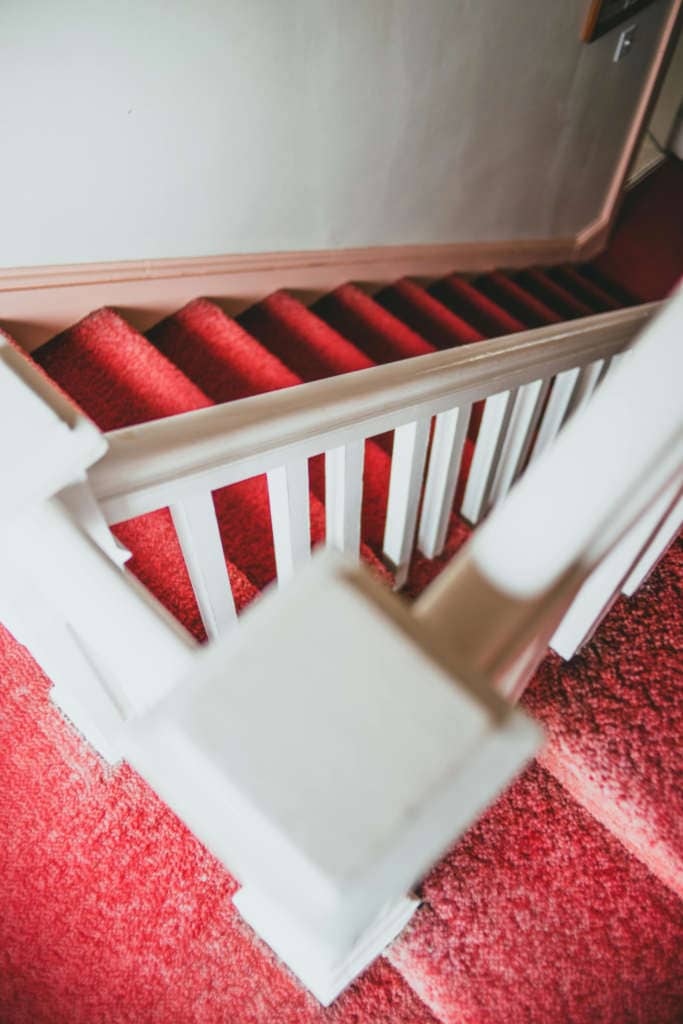
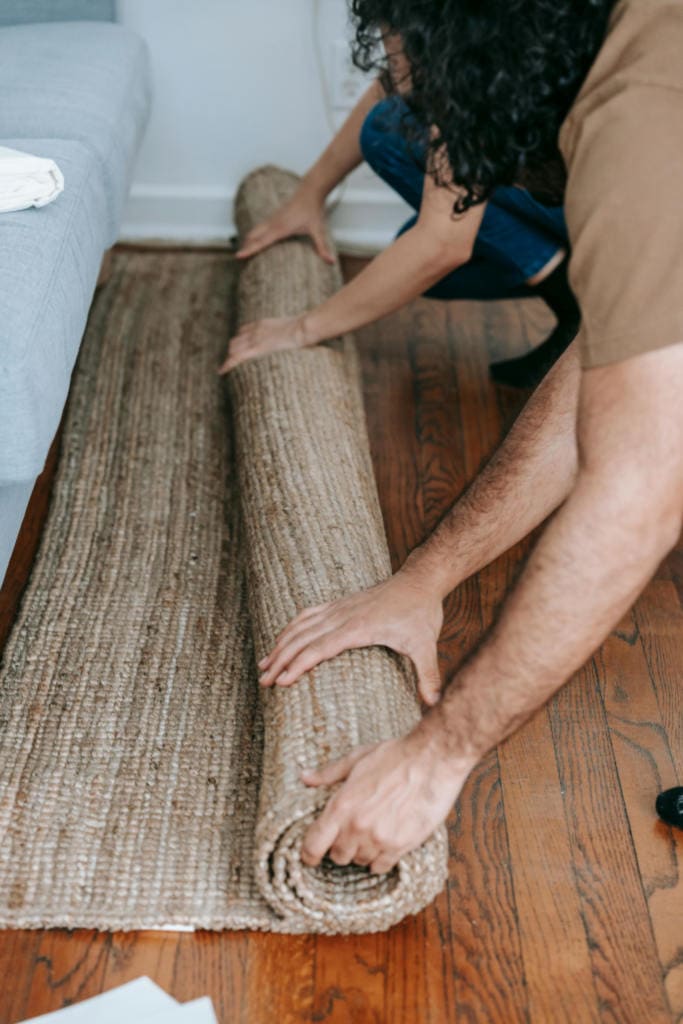
Before making any decisions, it’s worth thinking about where the noise actually lives in your home. Hallways, staircases, kids’ rooms, and home offices tend to be the usual suspects. Rooms directly above or below the main living areas are worth prioritizing too, since noise from footsteps passes readily through floors and ceilings.
Open-plan layouts have their own challenges — sound moves freely across large connected spaces with nothing to interrupt it. Pinpointing where the noise is coming from and where it’s most disruptive makes it much easier to decide where carpet will have the biggest impact.
Start Where It’ll Make the Most Difference
Rather than trying to carpet the whole home at once, tackle the noisiest rooms first. You’ll notice the improvement quickly, and it makes the whole project easier to manage.
In open-plan spaces, carpeting key zones like seating and dining areas reduces noise while letting you keep other surfaces elsewhere if you prefer. Rooms that sit between the louder and quieter parts of the home often benefit most from careful thought about pile type and construction. A good flooring specialist will help you match everything to both the acoustic goals and how each space actually gets used day to day.
Other Posts You May Like
- Landscaping projects for homeowners
- Using outdoor wagons for your yard
- Leatherworking is a good hobby to pick up
- Why people love faster cars
- Custom horse stalls make a big difference