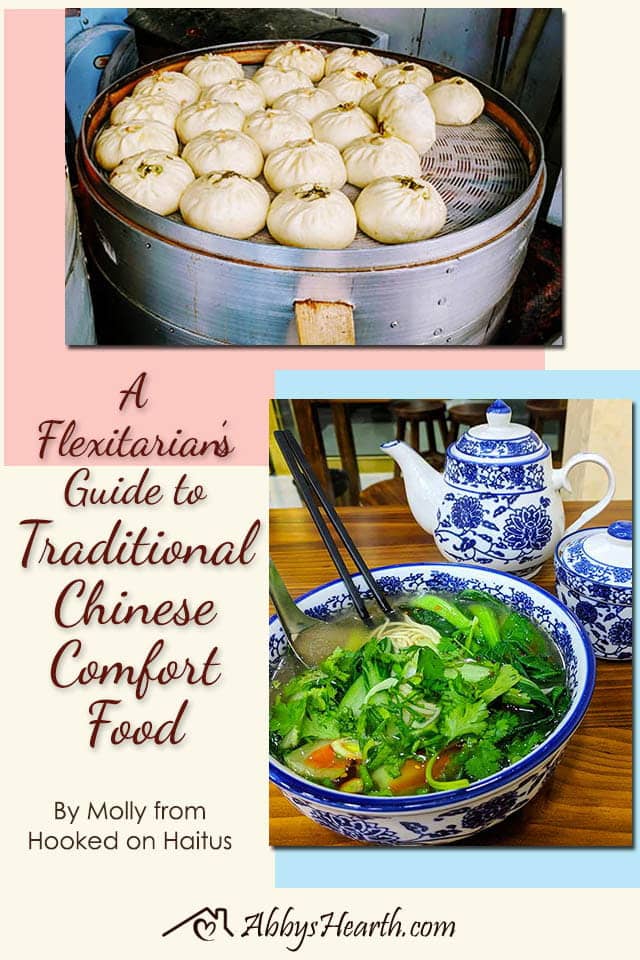
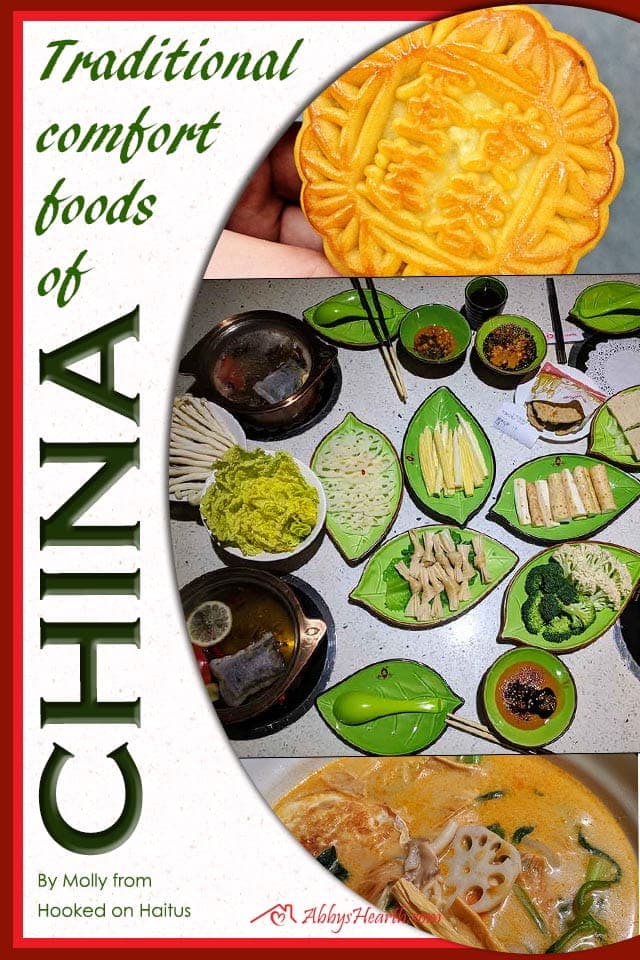
China is so loud and relentless in the best possible way. After days and days of navigating packed train stations and bargaining in markets where nobody speaks the same language, all I normally want is a bowl of something warm and earthy. That’s what traditional Chinese comfort food does – it grounds you, and feels like it’s been made the same way for a hundred years.
At home I usually eat vegetarian, but when I travel, I choose to be a flexitarian – meaning I give myself permission to bend a little bit when the meat-based broth has been simmering for twelve hours and saying no would be missing the point.
You already know that Chinese cuisine is built on five foundational flavors: salty, spicy, sour, sweet, and bitter and most modern vegetarian restaurants capture these beautifully; but when I travel, I want to savor the dish the way it was meant to taste. So even if that means a meat-based broth I quietly accept.
Here are the seven traditional Chinese comfort foods I hunt down every single time I visit, plus a bonus seasonal find you shouldn’t miss if your timing’s right. You can check out my full guide on how to plan a trip to China to figure out the logistics.
1. Jianbing Guozi – The Breakfast That Beats Everything Else
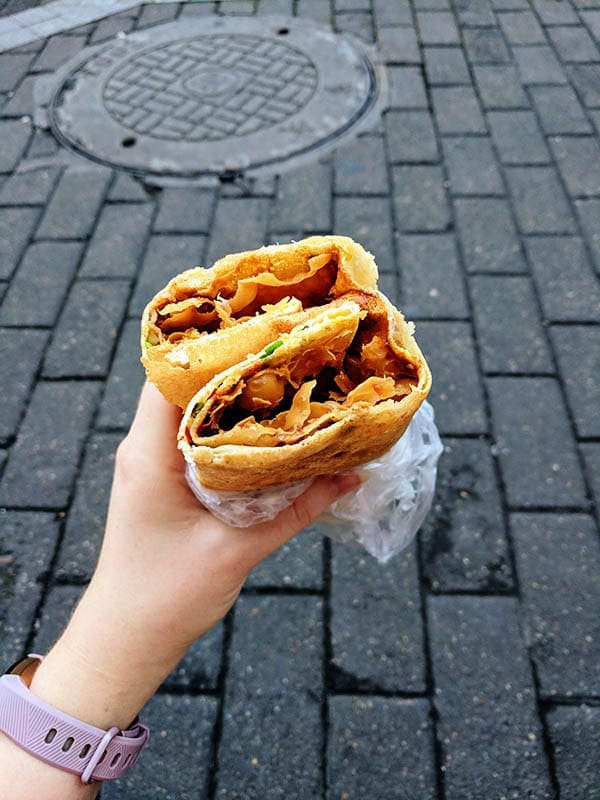
The ultimate street breakfast food, jianbing guozi is a savory, protein rich start to your day.
A thin mung bean batter is spread onto a huge circular griddle with a squeegee, then a cracked egg follows. After a few minutes, scallion onions, fermented bean paste, and chili paste (if you’re willing) are added. Finally, the youtiao (fried dough sticks) are wrapped up inside the pillow soft crepe. You may also be offered a hot dog – a surprisingly common street food addition in China.
These stalls open before dawn and are the perfect start to a jet-lagged early morning; but even when I arrived at 5 am, I still wasn’t the first customer!
2. Steamed Buns (Baozi and Mantou) – More Varieties Than You Expect
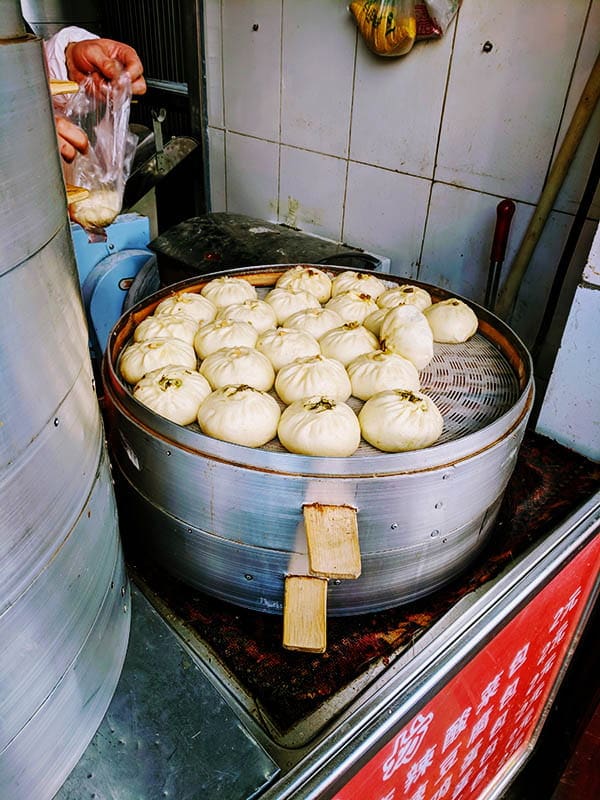
The pillowy texture of a properly made steamed bun comes from hours of patience — yeast dough proofed slowly, then steamed until it’s just barely glossy. Baozi, the filled version, comes in more flavors than any menu can do justice: mushroom and glass noodles, bok choy and tofu, black sesame paste, red bean, purple sweet potato. Finding vegetarian options is genuinely easy; most street vendors will crack one open so you can see what’s inside before you commit.
Convenience stores like Lawson and 7-Eleven display photos on the packaging, which helps enormously when you cannot read the characters. Mantou – plain steamed buns without filling – are traditionally vegan (though sometimes made with milk) and are filling enough to carry you through a morning of sightseeing.
I make baozi at home when I am feeling nostalgic; and it’s never quite the same, but that’s probably part of the point.
3. Malatang – Build-Your-Own Soup With One Catch
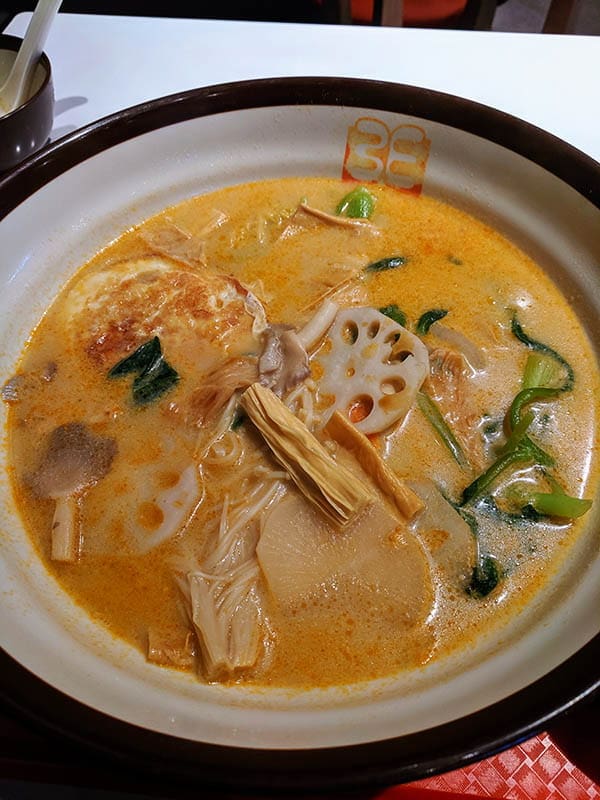
Malatang is a build-your-own soup. You will recognize a malatang restaurant immediately when you look at the back wall; the entirety of which is a refrigerated display of raw ingredients. Grab a bowl and tongs, and pick whatever you want for your soup, and hand it over to be cooked. The ingredient list is huge: there are several kinds of tofu, different types of noodles, eggs, mushrooms, and even some vegetables that English does not have names for.
This Malatang soup is also accessible to those with food restrictions, but vegetarians should remember that the broth is always meat based. Mala is a spicy seasoning made from the mouth-numbing Sichuan peppercorn, and Tang means broth, which is usually made from a mix of beef, chicken or pork bones and turns into a creamy, hearty, semi-spicy, and oh so satisfying soup.
The variety of ingredients you can add to your soup makes this something I can have again and again, without ever getting bored. I’m well known at the spot below the Holiday Inn Shanghai on Jinshajiang Road.
4. Lanzhou Lamian – Hand-Pulled Noodles Worth Watching Being Made
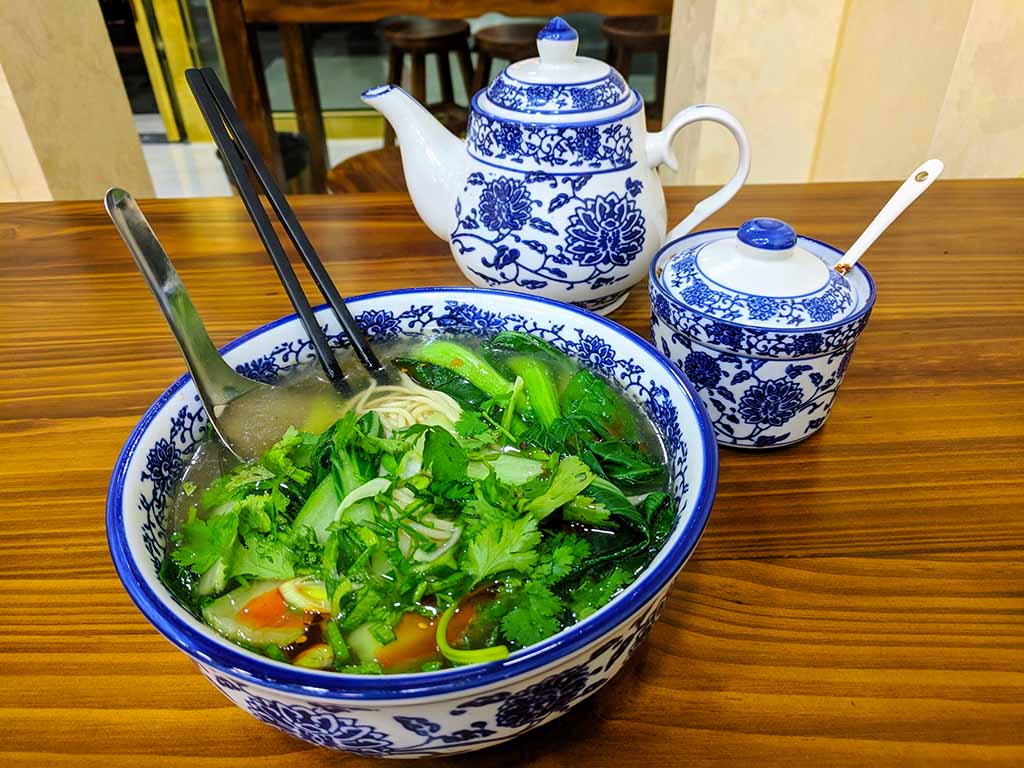
Cooks grab a roughly measured handful of dough from a warm bowl, then rhythmically slap the dough against a floured surface to make a single, unending, hand pulled noodle for your meal. While options exist to have “dry” noodles on a plate with sauce and vegetables, you are most likely to encounter Lanzhou lamian in a delectable beef broth.
This broth is the base for the “five colors” of an authentic bowl of Lanzhou lamian: clear broth, white radish, green cilantro, red chili oil and yellow noodles. Although you might also notice tiny floating bits of beef in the lanzhou lamian once in a while, it was never enough to turn this flexitarian away. Even on a hot day, this hot bowl of noodle soup has a way of making you feel so cozy.
5. Hot Pot – The Meal That’s an Event
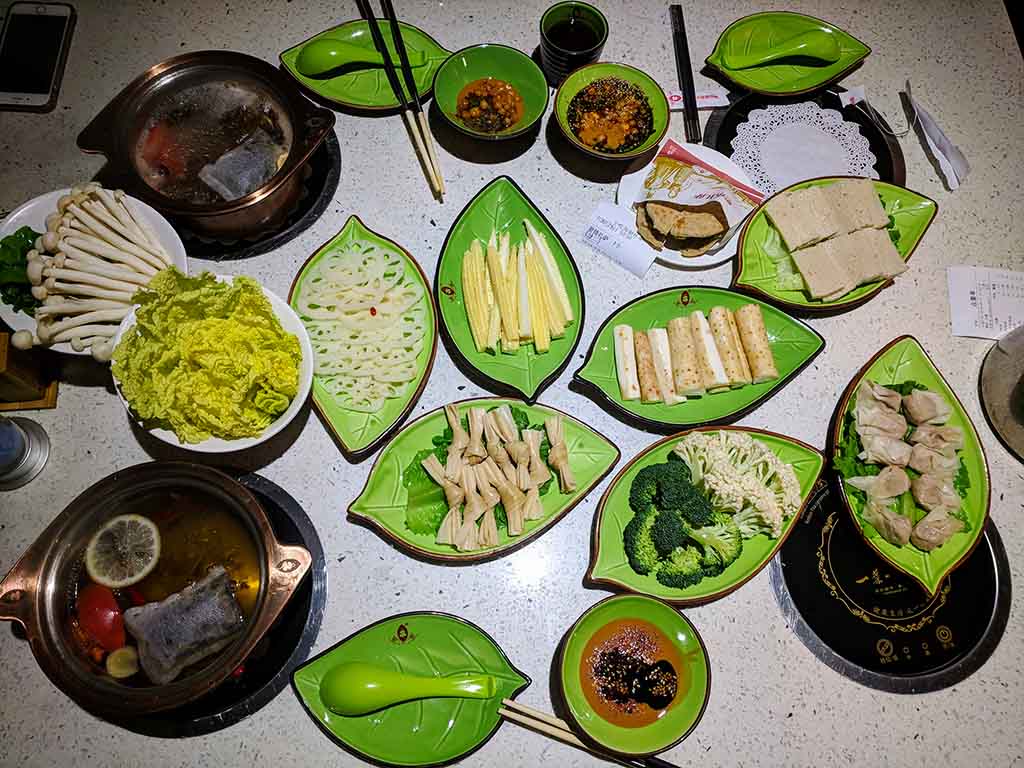
Hot pot is a literal hearth in the middle of the table that allows everyone to cook together, and is the typical type of meal friends share together in China. You’ll order a broth to cook in, plus all your veggies, tofu and noodles, which will be brought to your table.
Split pots, or yuan yang, are a great way to enjoy two different types of broth for all your fixings. You can enjoy both a spicy broth (typically beef), and a more mild broth like a mushroom medley or a tomato base.
There are also restaurants that offer individual pots for each diner, allowing everyone to have their own broth.
Most restaurants will also have a dip bar for you to make a dipping sauce mix of sesame paste, garlic, chili oil, scallions – whatever your heart desires – as the finishing touch for your boiled veggies.
6. Mapo Tofu – Soft, Numbing, and Not Remotely Subtle
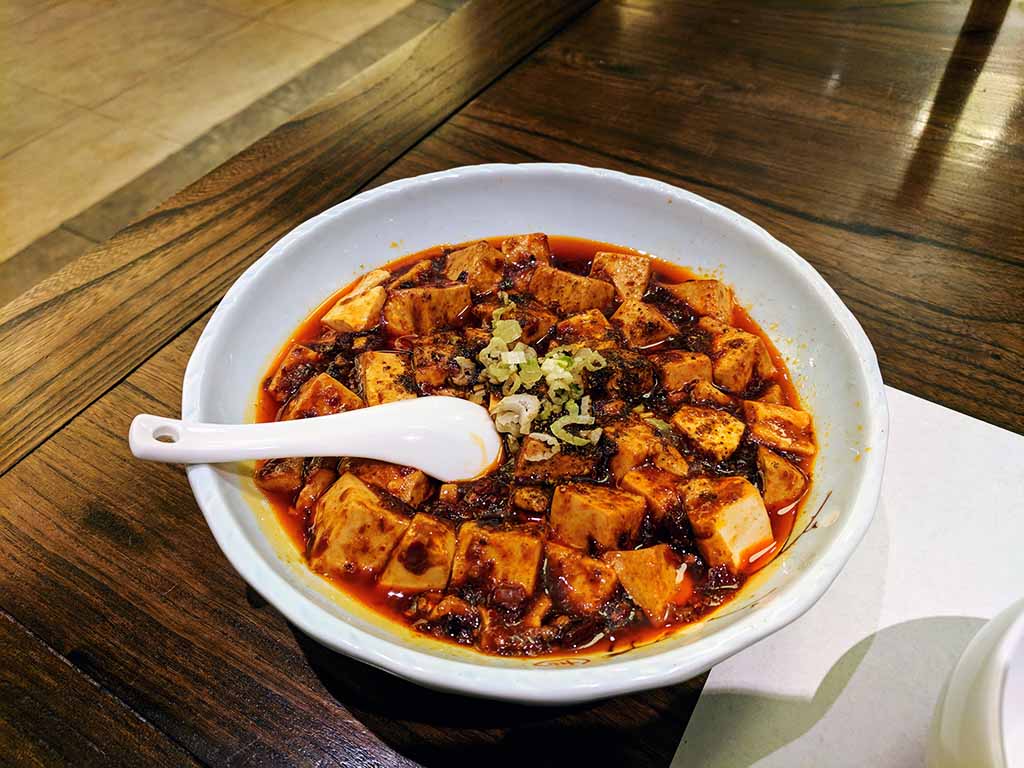
A traditional dish from the city of Chengdu, mapo tofu can’t be missed. You’ll find a unique contrast between the soft tofu that slides down your throat and the gritty, numbing Sichuan peppercorns that make the mapo tofu iconic to locals and travelers alike.
While the traditional version uses minced pork or beef, many Buddhist and modern restaurants use minced mushroom to satisfy the growing appeal for plant-based dining, while still providing the umami depth of the dish.
If you’ve never experienced Sichuan peppercorns, you’re not soon to forget the particular mouthfeel you’ll be left with after soaking up all the extra red oil with steamed white rice. If you want to recreate some of those bold flavours at home, this Chinese pickled jade garlic is a great place to start.
7. Tea or Cha – The Reset Button After Every Meal
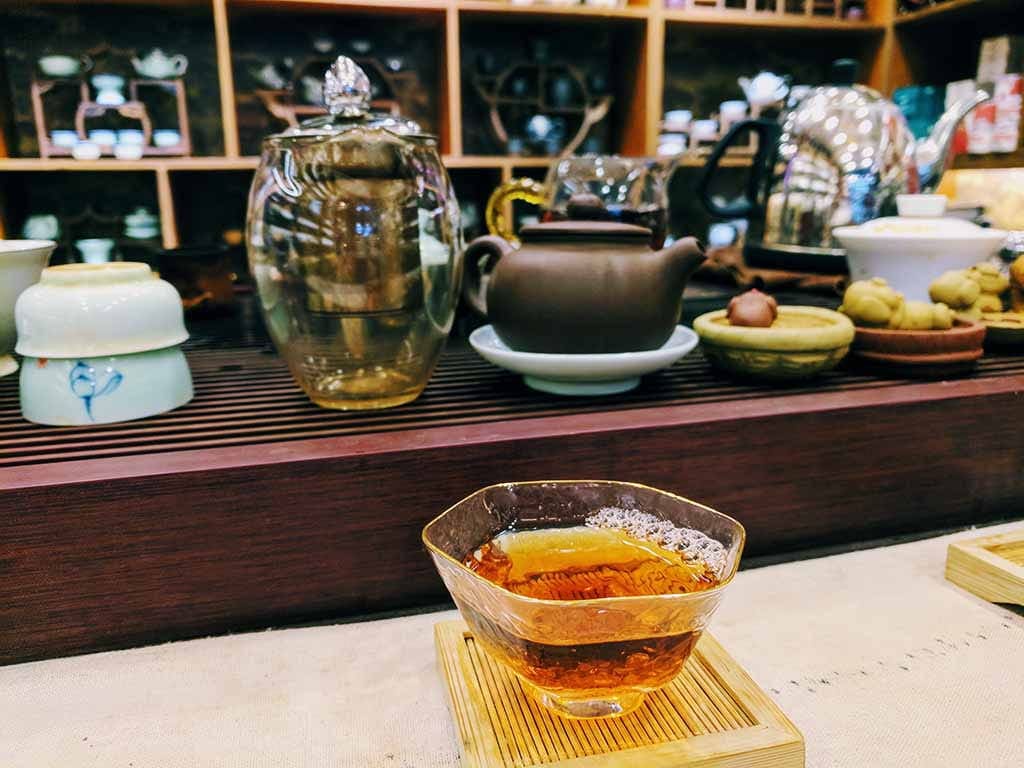
China has a tea culture dating back over 5,000 years, which you must experience while in the country. The ultimate Chinese comfort “food” that’s not really a food, tea, or cha, is typically served as a sort of reset after a savory meal.
Choose a light oolong tea to start your day, a caffeine-free barley tea while you wait for a meal, or a fermented, earthy pu-erh tea for its antioxidants. Tea is also one of those great drinks that you can rely on when you go on a liquid fast.
In a hectic country, the ceremony of steeping and pouring tea fosters conversation and slowing down to enjoy the view. This is also the one area in China that you’ll find a zero-waste mindset – tea leaves are steeped multiple times before they’re thrown out.
Pro tip: The best tea you’ll find is at shops that don’t sell any teaware. This is how you’ll know they’re original. Plus, you’ll be seated outside on the sidewalk, because the indoor space is used to store the chairs until customers arrive.
Bonus: Mooncake (Yuebing) – Only If Your Timing Is Right
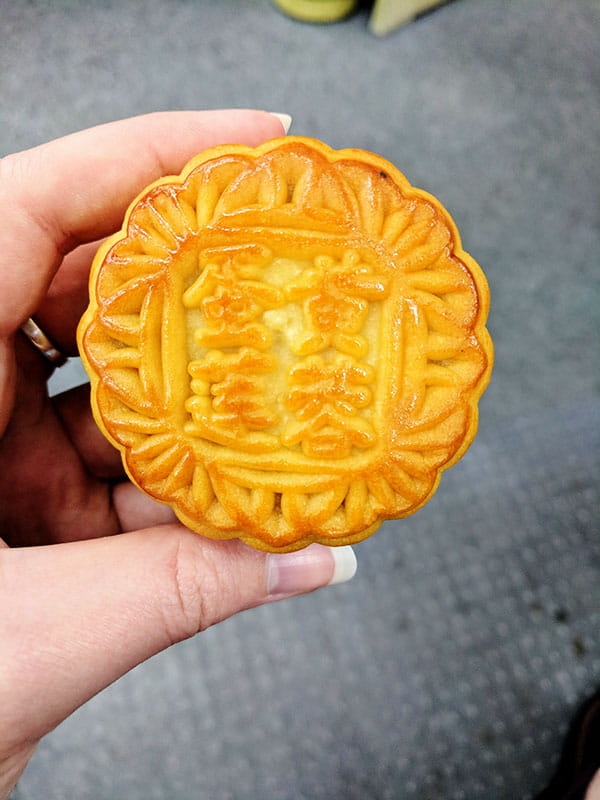
If you happen to be visiting around Mid-Autumn Festival in October, you will find yuebing, or mooncake, everywhere! They’re in every shop window, stacked in decorative tins, and even offered at hotels when you check-in.
Traditionally, these dense cakes are filled with sweet lotus seed paste and have a ‘surprise’ duck egg yolk inside to represent the full moon of the holiday. Nowadays, these cakes are filled with fun foods like ube or red beans, sweet potatoes, matcha, and many don’t even have eggs at all!
Since these cakes are so heavy, they can rarely be eaten alone. Mooncakes may be an acquired taste, but make sure you slice it up to share with friends or family!
Final Thoughts on Traditional Chinese Comfort Food
While on the hunt for traditional Chinese comfort food on your travels, try to remember that even modern cuisine has a traditional foundation. Eating in China is all about the experience and finding flavors you’ve never before experienced, which there will likely be many!
Whether you’re a curious flexitarian, an omnivore or someone who draws the line at meat-based broths, there is room for you at the table. China’s food culture is generous that way!
Molly spent her 20’s traveling the world, mostly solo. She loves planning the trip almost as much as traveling. Now a small business owner and a mother, she loves the added challenge of traveling with her toddler and infant, and shows families that travel doesn’t stop when you have kids, it’s just a new beginning. You can find her on Facebook, or follow along on her blog at HookedonHiatus.com.
Other Posts You Might Like
- Central Asian churches to visit
- What to eat in Singapore
- How to make Chinese jade garlic
- What to eat in Taipei
- What to do in Singapore