Loving the Land We’ve Been Given
There’s something really meaningful about tending the land just outside our door. Whether it’s a small backyard, a patch of green beside the porch, or a narrow strip of soil along the driveway, caring for the earth connects us to the rhythms of creation. It reminds us that beauty doesn’t need to be extravagant to be sacred. For the homeowner who sees their roles as extending beyond the walls of a house, the yard becomes part of that calling — a place to cultivate peace, order, and joy.
Scripture often points to planting, pruning, and harvesting as part of our daily life. These acts are not separate from our spiritual walk with God, but woven into it. We are caretakers of what’s been entrusted to us, whether that’s a small vegetable patch, or a flower bed, or a lawn where our children can play.
Landscaping doesn’t always require the use of machinery or a look of perfection. It often starts with clearing a corner, laying mulch, or outlining a bed with wood or gathered stones. These simple actions, done with intention, reflect quiet stewardship — a way of saying, “This place matters.”

Why Simple Landscaping Projects Matter
Improving a small part of your yard with your own hands brings a quiet sense of satisfaction, the perfect DIY challenge. The changes don’t have to be elaborate or costly. In fact, it’s often the smallest touches — edging a garden, freshening up mulch, or straightening a path — that make the most lasting impact.
Landscaping for the homemaker is less about appearance and more about function and care. A tidy border around a garden bed, a gravel walkway, or a mulched seating area can offer comfort and usefulness through the seasons.
These projects also respect the slower pace of home life or time spent in work-filled reflection on weekends off. There’s no need to rush or aim for perfection. One afternoon spent shaping a garden bed or spreading mulch can make a noticeable difference. Each task is approachable, flexible, and deeply rewarding.
Easy Project #1: Define a Garden Bed with Natural Edging

A simple border around your flower beds or vegetable plots will give the garden a clean, cared-for look. Natural edging helps contain the mulch, prevents grass from creeping into the planting areas, and sets planting areas apart from your walkways and lawn.
You can use stone, brick, or wood, depending on your garden’s style and what’s available locally. Stone is durable and easy to arrange without mortar, while brick and wood offer a softer, rustic feel. To install, outline the bed, dig a shallow trench, and embed the edging so it stays in place and resists shifting.
For quality materials like edging stone, river rock, or decorative gravel, a local provider such as Terrascape Supply offers a wide selection for small DIY projects. Being able to view the different materials in person and ask about regional suitability can help you choose the options that best match your needs and also last.
This simple project can transform the feel of your yard in just a few hours — a low-effort way to bring calm and structure to your outdoor space.
Easy Project #2: Lay a Gravel Path for Charm and Function

Gravel paths add both character and practicality. They guide foot traffic, define flow, and bring gentle structure to a yard — no concrete or heavy tools required. Whether leading to a garden, a quiet bench, or simply cutting across the lawn, paths add charm while keeping things accessible.
Begin by outlining your path using a string or a garden hose. Then dig a shallow trench about 3 to 4 inches deep. If you want, you can lay a weed barrier,but it’s not necessary. Add a layer of crushed stone or base gravel for stability, followed by a finer top layer. Rake it smooth and consider edging with stone or wood for a finished look.
Different types of gravel will suit different needs. Rounded stones shift more underfoot, while sharper types offer stability. For guidance on getting it right, this article on five steps to a successful gravel path provides practical, easy-to-follow advice.
Gravel paths are quick to install, simple to adjust or change, and quite easy to maintain – an ideal weekend project with lasting appeal.
Easy Project #3: Refresh with Mulch and Simple Plantings

There are few things tidy up a yard as quickly as a fresh layer of mulch. It helps soil retain moisture, suppresses weeds, and gives garden beds a clean, finished look. It’s one of the simplest and most effective ways to improve your landscape.
Start by clearing out leaves, weeds, and wilted plants. Spread the mulch two to three inches deep around existing perennials, keeping it slightly away from the stems and trunks. Shredded bark, wood chips, or leaf mulch are excellent choices that break down over time and enrich the soil.
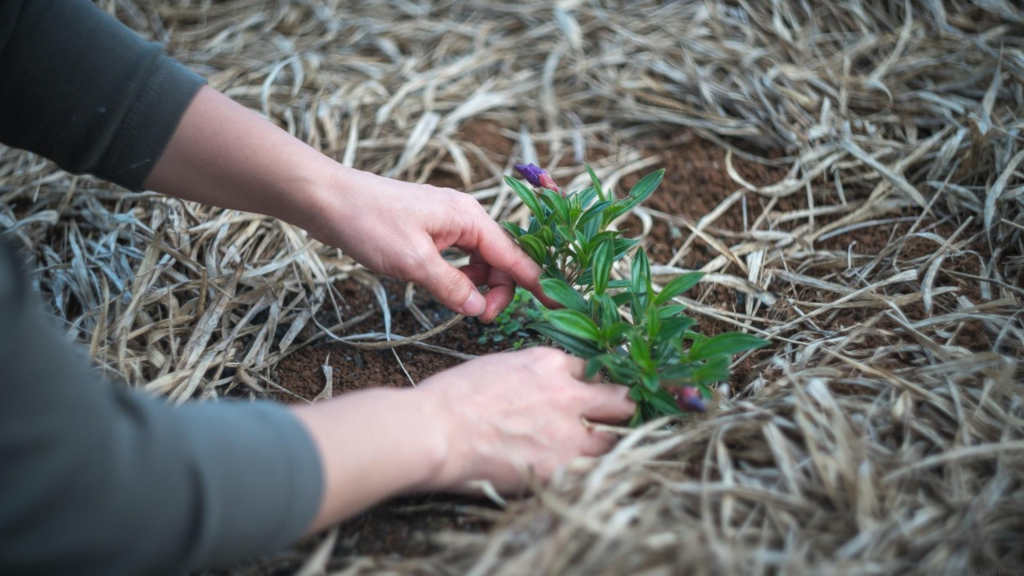
This can also be a good time to add a few hardy perennials that require little upkeep. Native plants tend to thrive with less watering and fuss. For those who lean toward simplicity in both home and land, small updates like these carry quiet meaning. That same spirit of thoughtful minimalism shapes how we care for all the spaces we call home.
Together, mulch and a few low-maintenance plants can refresh tired corners and support lasting beauty with minimal effort.
Cultivating Beauty with Purpose
Caring for the land we own doesn’t require any big plans or expensive tools. It starts by noticing what’s already there and tending to it with care. Simple landscaping projects offer homeowners a way to bring quiet order outside, much like sweeping a floor or setting a table brings calm indoors.
Each task is a chance to create something lasting. Whether shaping a garden bed, laying down a path, or spreading mulch, these small acts reflect a spirit rooted in gratitude and purpose.
Even a little work in the yard can bring peace inside — and often, that’s enough.
Other Posts To Read
- Famous quotes by historical figures
- Making a Bombay Duck Pickle
- Invest in gold – it’s necessary!
- Make mustard paste at home
- What to check before staying at any hotel

