If you’ve been wondering whether it’s really possible to do both Iceland and Ireland in one trip, the short answer is yes; and it’s one of the best combination itineraries in Europe. The two countries sit close together in the North Atlantic, connected by direct flights that take around two and a half hours. You get fire and ice on one side, and forty shades of green on the other. The contrast alone is more than worth it.
This post walks you through what a combined Ireland and Iceland trip actually looks like — how many days you need, where to base yourself, how to get around, and the practical details that make the difference between a trip that works and one that exhausts you.
Why Iceland and Ireland Work So Well Together
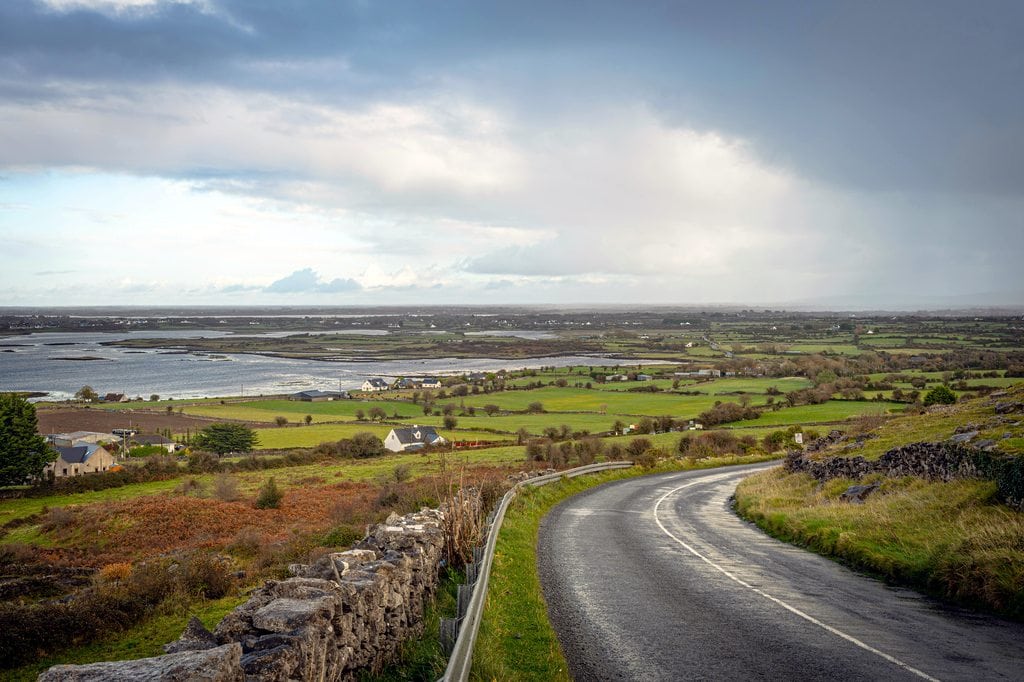
Most people don’t realise how naturally these two destinations complement each other. Ireland is soft with layered history, ancient monasteries, winding coastal roads, and the unhurried rhythm of a pub at the end of a long walk; while Iceland is extreme with volcanic craters, geysers that erupt every few minutes, glaciers you can walk on, and skies that turn green at night in winter.
Fly into one, explore for four or five days, catch a short flight across, explore the other, then fly home. The geography makes it genuinely easy. Icelandair and other carriers connect Dublin to Reykjavík regularly, and many transatlantic routes through Iceland allow you to build Ireland in as a stopover at no extra cost.
How Many Days Do You Need?
A 10-day trip is the sweet spot. Less than that and you’ll spend most of your time moving; more than that and you’ll have covered the highlights of both countries with enough time to breathe.
This is a workable split:
- 4–5 days in Ireland — Enough to visit Dublin plus one or two regions (west coast, Cork, the north)
- 4–5 days in Iceland — Enough to visit Reykjavík, the Golden Circle, and the south coast
- 1 day travel buffer — For flights, transitions, and the inevitable airport afternoon
If you have two weeks, you can slow down considerably. Ireland rewards slower travel. The villages between the big landmarks are often more interesting.
Ireland: Where to Start and How to Get Around
Dublin is the obvious starting point. It’s where most international flights land, it’s walkable for the first day or two, and it connects easily to the rest of the country by rail.
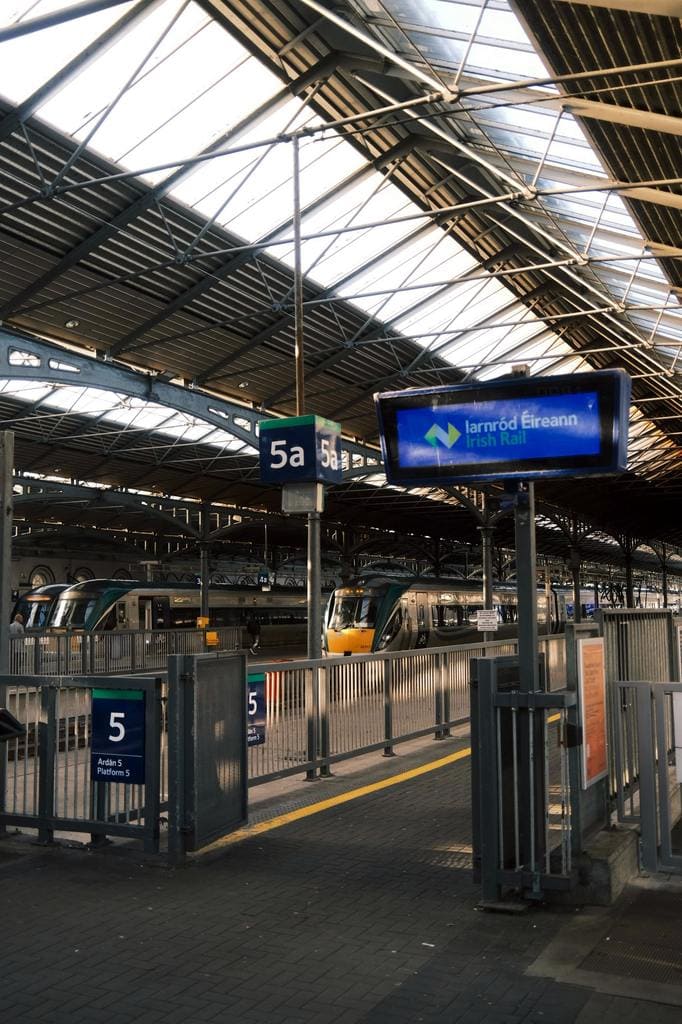
Ireland’s train network is genuinely good value, and Dublin Heuston station is the main hub for westward and southward routes — Cork, Limerick, Galway, Killarney, and Waterford all connect from here. If you want to reach the west coast without renting a car for the Dublin leg, this is how you do it. The Cork train in particular is reliable, fast, and takes you to a city worth a proper day of wandering.

What to prioritise in Ireland:
- Dublin — Trinity College and the Book of Kells, the National Museum, a proper trad session in a pub that isn’t performing for tourists. The Liberties neighbourhood is apt for a slower afternoon.
- The West Coast — If you have time for one trip out of Dublin, the Cliffs of Moher and the Burren in County Clare are worth it. The Aran Islands are also a good visit, if you can swing a ferry day.
- Cork and Killarney — The food culture in Cork has quietly become one of the best in Ireland. The English Market is a genuine food destination, not just a photo stop. Killarney gives you access to the Ring of Kerry and Ross Castle if you want to rent a car for a day.
Ireland is compact enough that you don’t need to rush. The charm of the place is in slowing down because the landscape is best viewed at the pace of a long walk or a slow drive with the window down.
Iceland: What to See, How to Book
Iceland demands a different mindset. The country is physically dramatic in a way that doesn’t prepare you even when you’ve seen the photos. The light is surreal, the volcanic terrain is unlike anywhere else in Europe, and the silence in the interior is complete.
Reykjavík is small and manageable — a day or two covers the city itself. Most of what makes Iceland extraordinary is outside it.
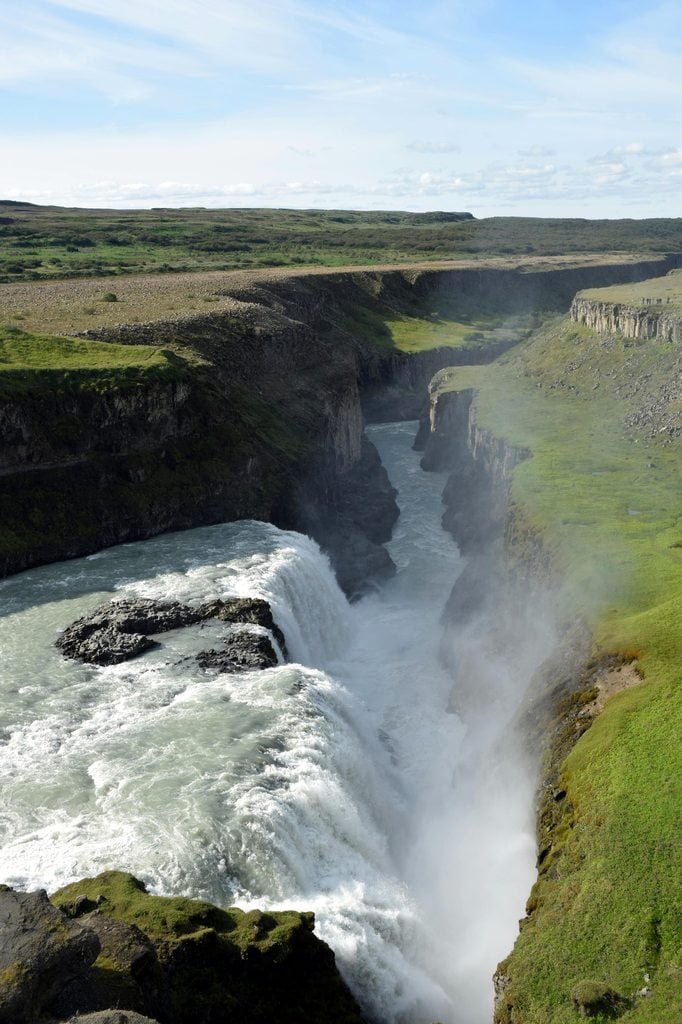
The Golden Circle is the standard first route for good reason. It connects three genuinely extraordinary sites: Þingvellir National Park (where the tectonic plates of North America and Eurasia are visibly pulling apart), the Geysir geothermal area, and Gullfoss waterfall. You can drive it yourself in a long day or join a guided tour from Reykjavík.
The South Coast of Iceland extends the Golden Circle into more remote territory – black sand beaches at Vík, the Skógafoss and Seljalandsfoss waterfalls, and access to Vatnajökull, Europe’s largest glacier. A glacier hike here is one of those experiences that stays with you.
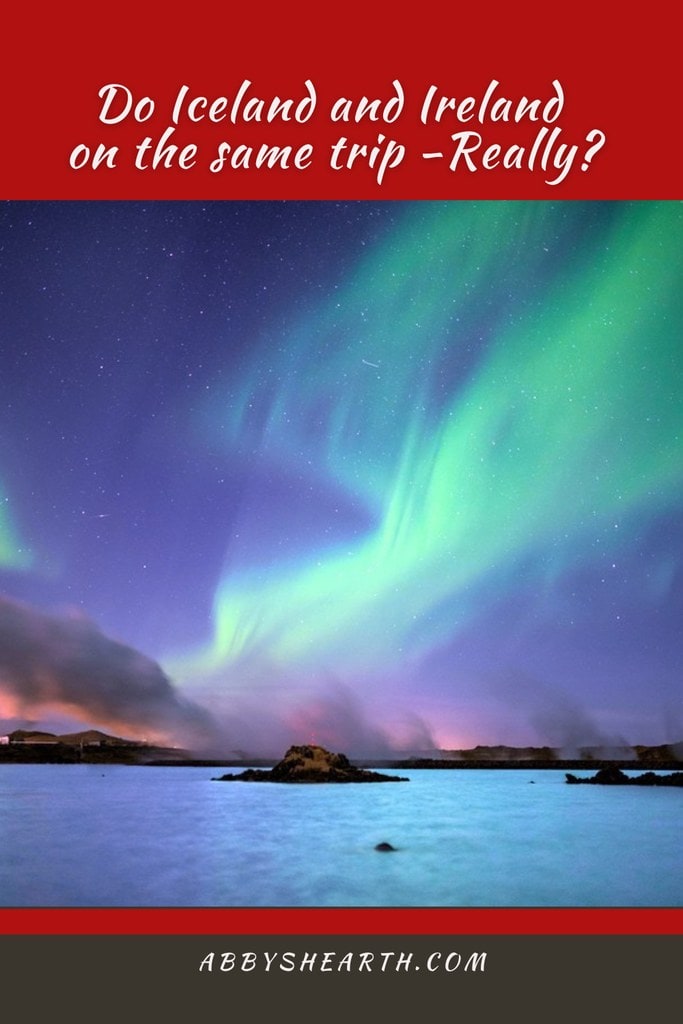
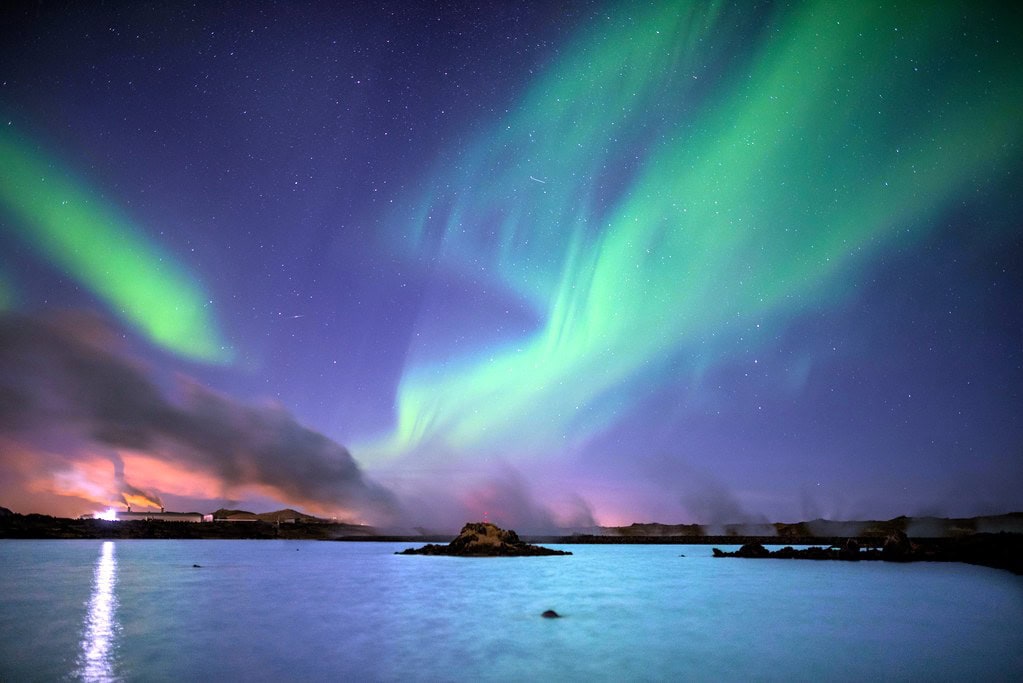
Northern Lights are entirely dependent on season and solar activity. October through March gives you the best odds; summer brings the midnight sun instead, which is its own extraordinary thing. Both are worth planning around.
For the logistics of getting between sites and structuring your days, guided Iceland travel packages take care of the planning that can otherwise eat up a lot of your pre-trip time. Iceland’s distances are deceptive on a map — what looks like a short drive can take much longer on roads that narrow to single tracks. A structured itinerary removes the guesswork.
Practical Details
Best time to go:
- Summer (June–August): Long days, milder weather, wildflowers in Ireland, midnight sun in Iceland. Peak season and prices reflect it, but the experience in both countries is exceptional.
- Autumn (September–October): Fewer crowds, reasonable weather, and you start to get Northern Lights odds in Iceland toward the end of October. One of the best times for this combination.
- Winter (November–March): Northern Lights season in Iceland. Ireland is quiet and rainy but the pubs are at their best. Not a bad choice for the right kind of traveller.
Getting between the two:
Fly. Icelandair is the most obvious option; Aer Lingus and others also service the route. Book early for the best fares, and check whether your chosen airline offers an Iceland stopover programme — Icelandair’s Stopover product has allowed people to add Iceland to US–Europe trips for years.
Currency:
Ireland uses the euro. Iceland uses the Icelandic króna. Both countries are cashless in practice, so cards work everywhere, including at very small businesses. Remember that Iceland is expensive; so budget accordingly.
Driving:
In Ireland, traffic drives on the left. In Iceland, there are strict rules about off-road driving (it’s illegal and the fines are significant). If you’re renting a vehicle in Iceland, stick to marked roads and tracks.
Before You Pack Your Bags
You can plan your trip further with some more reading on Ireland and Iceland. These posts will help you go deeper:
- Best restaurants in Dublin — where to eat well without the tourist traps
- What to eat in Cork — Cork’s food scene is underrated
- Best day trips from Dublin — if you want to see more of Ireland from a Dublin base
- Ion Adventure Hotel, Iceland — a remarkable place to stay if you want something beyond Reykjavík
The Short Answer, Again
Iceland and Ireland in one trip is not only doable, it’s one of the most satisfying combinations in European travel. The countries are close, the contrast between them is extraordinary, and the logistics are genuinely manageable. Ten days, one flight between them, and you come home with two completely different sets of memories.
Start with Heuston in Dublin and end under the Northern Lights. Or the other way around.