Jerusalem is a city that keeps adding layers. Every street in the Old City contains something from a different century – a Roman threshold, a Crusader arch, an Ottoman gate, a 20th-century souvenir stall – and a good guide is the difference between walking through history and walking past it. I visited as the final stop on a week-long Israel tour, after the Dead Sea, Masada, and Eilat, and I still could have spent another week. Here is what we covered in two days.
Getting Oriented: Jerusalem of Gold
On the drive in from the airport, our guide Nadav introduced us to the city’s history and character. He talked about how Jerusalem (Yerushalayim or Yerushalem) carries both its present reality and the weight of prophecy about the Jerusalem yet to come. We listened to (Yerushalayim Shel Zahav, in Hebrew ירושלים של זהב) for the rest of the drive. By the time we arrived, we were already emotionally prepared.
We stayed at the King Solomon Hotel (now the Cassia Hotel), with a view of the Old City from the room. If you can arrange accommodation with a view of the walls, do it – the light on the stone at different times of day is something.
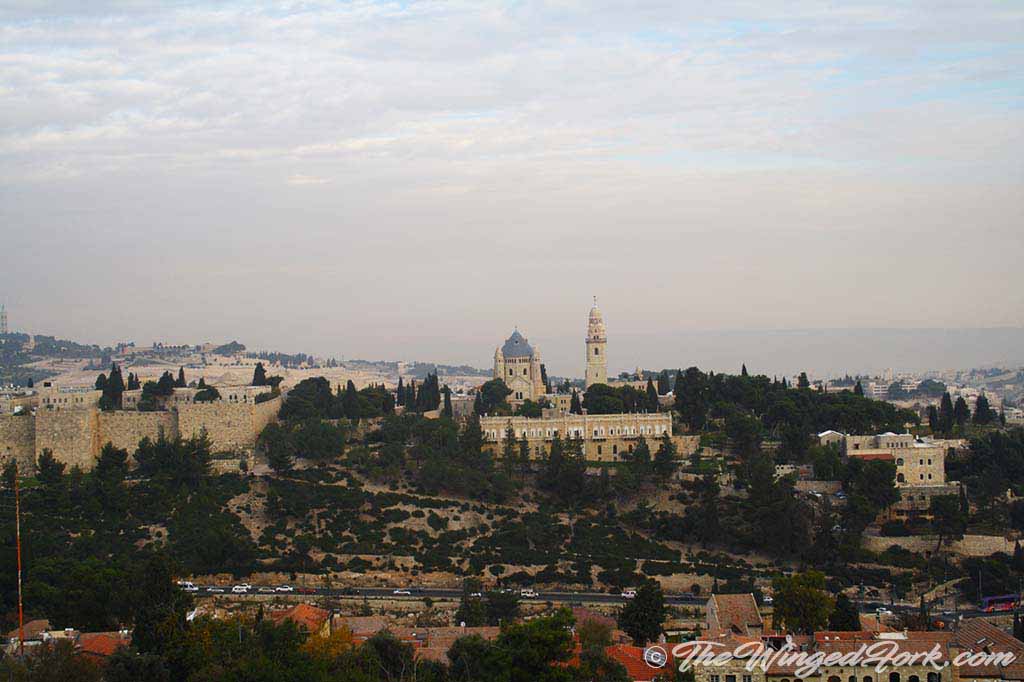
And I was thankful to again be visiting this city that is the home of the Tower of David, the Israel Museum, the Church of the Holy Sepulchre, Western Wall, Via Dolorosa and so much more. For a deeper dive into Jerusalem’s Old City, a private guide is the best way to navigate the layers of history without getting lost.
We first headed to one of the first Arab neighborhoods, Abu Ghosh, for lunch at Naura Restaurant. The fresh greens, the hummus, the falafel and not to forget… the meat was simply mouth watering. After a filling lunch, we returned to the hotel a bit to rest, and yet we had to go.
Tower of David Night Spectacular
On the first evening we went to the Tower of David – the ancient citadel near the Jaffa Gate – for the Night Spectacular sound and light show. It was genuinely spectacular: a projection show inside the citadel that tells Jerusalem’s history across the ancient walls. No photographs allowed inside, which I initially resented and then understood – it is the kind of experience that gets cheapened by a screen in front of your face.
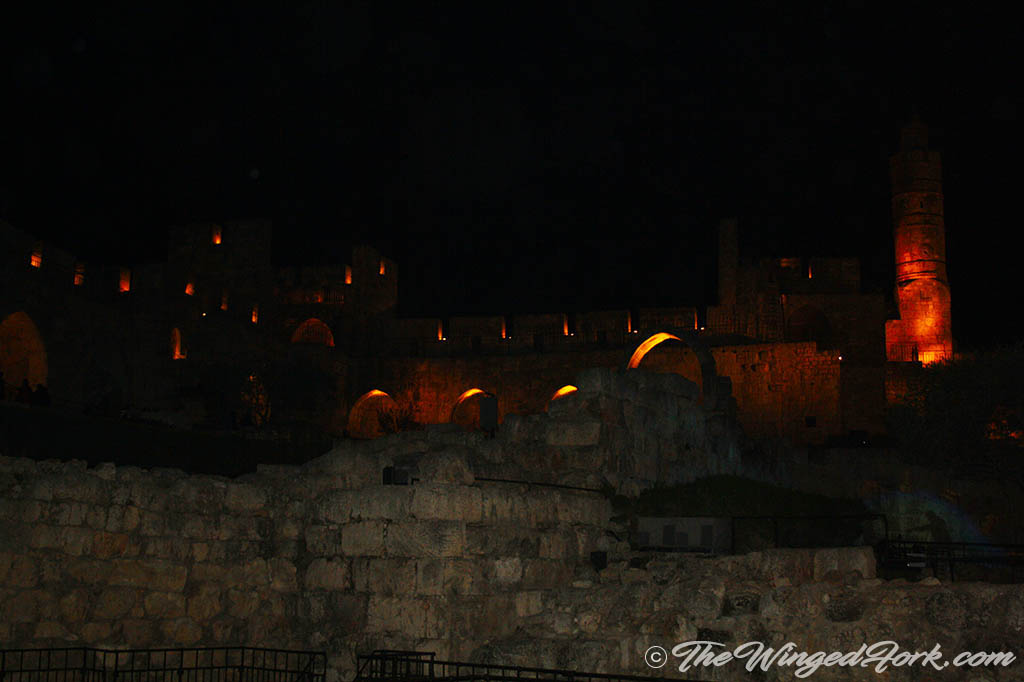
We then had dinner at Mount Zion hotel, while some of the others went to a pub nearby.
Information about the Tower of David:
Museum of the History of Jerusalem, Jaffa Gate, Jerusalem, Israel
Mail: contact@tod.org.il
Phone: +972-2-6265350
Website: tod.org.il
The Israel Museum and the Dead Sea Scrolls
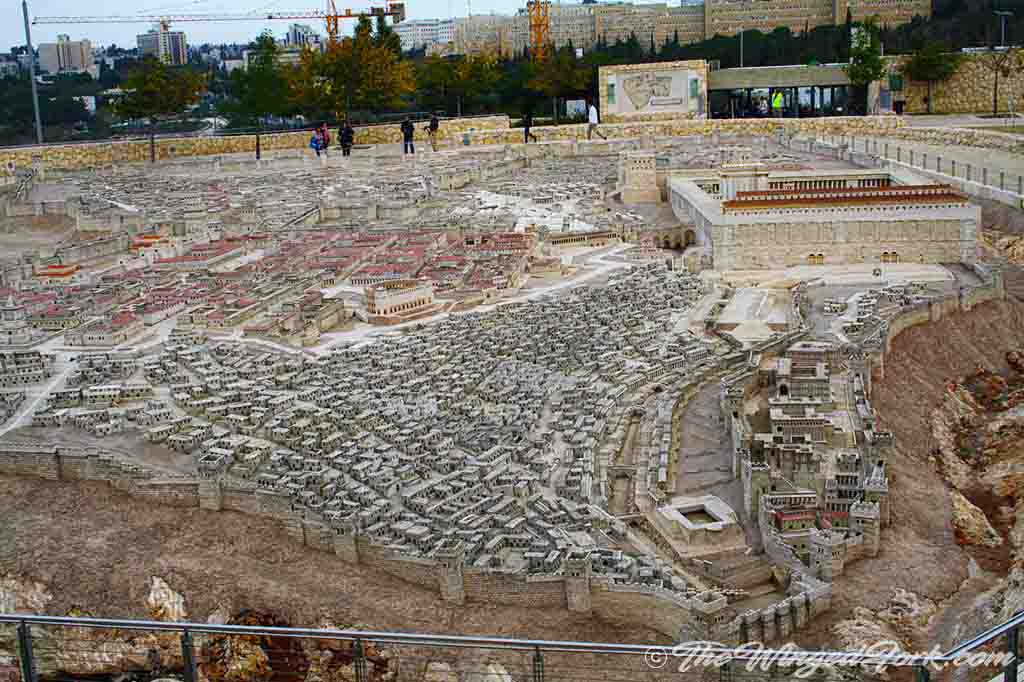
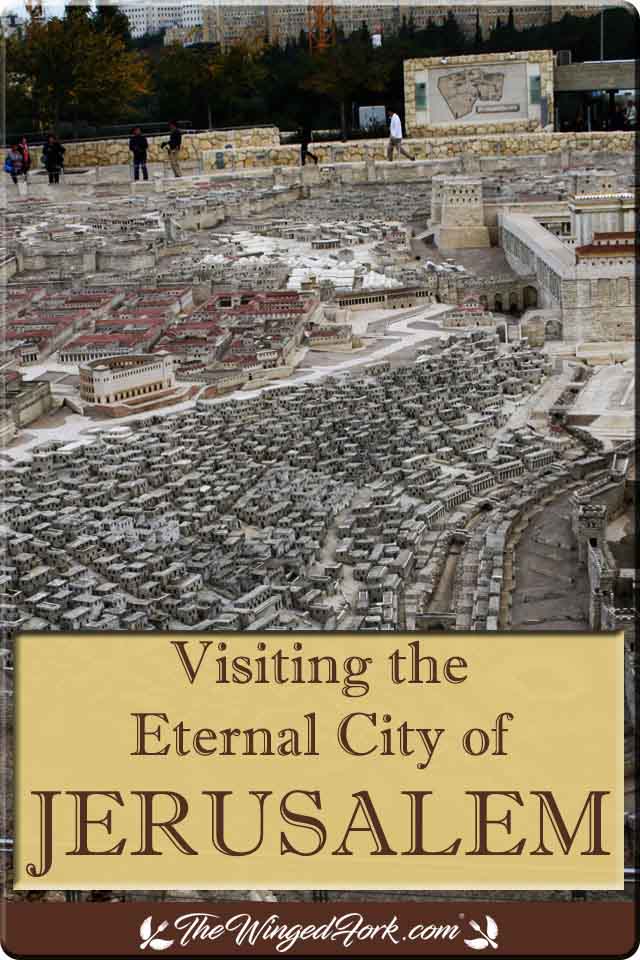
The next morning we visited the Israel Museum, which houses one of the most important archaeological collections in the world. The outdoor scale model of Jerusalem as it appeared in the Second Temple period is a good first stop; it really gives you a spatial understanding of the city that helps everything else make sense.
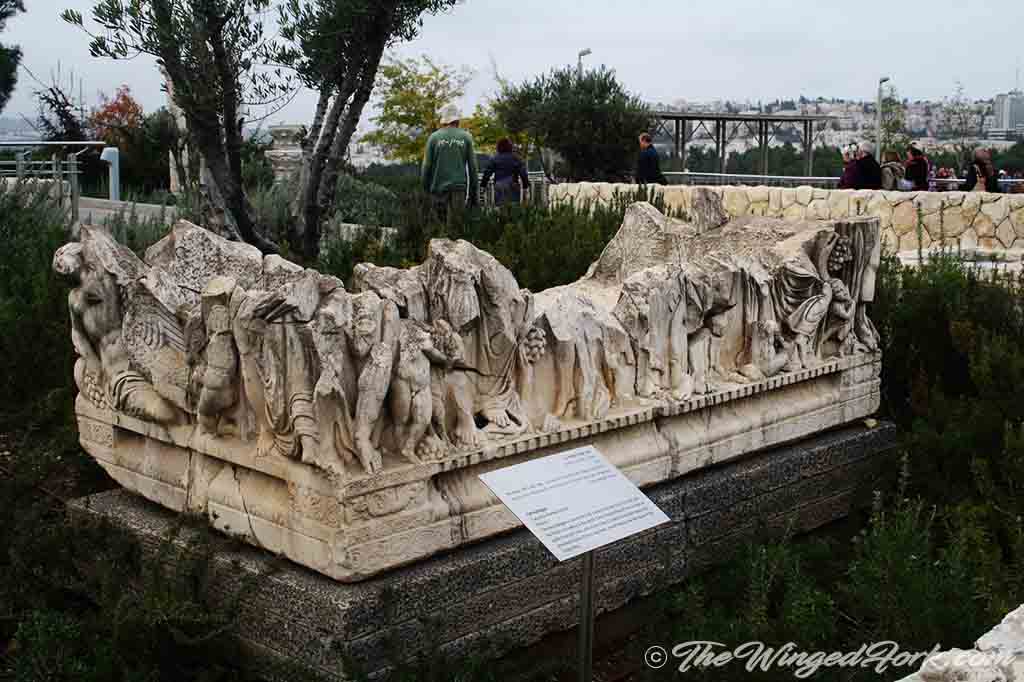
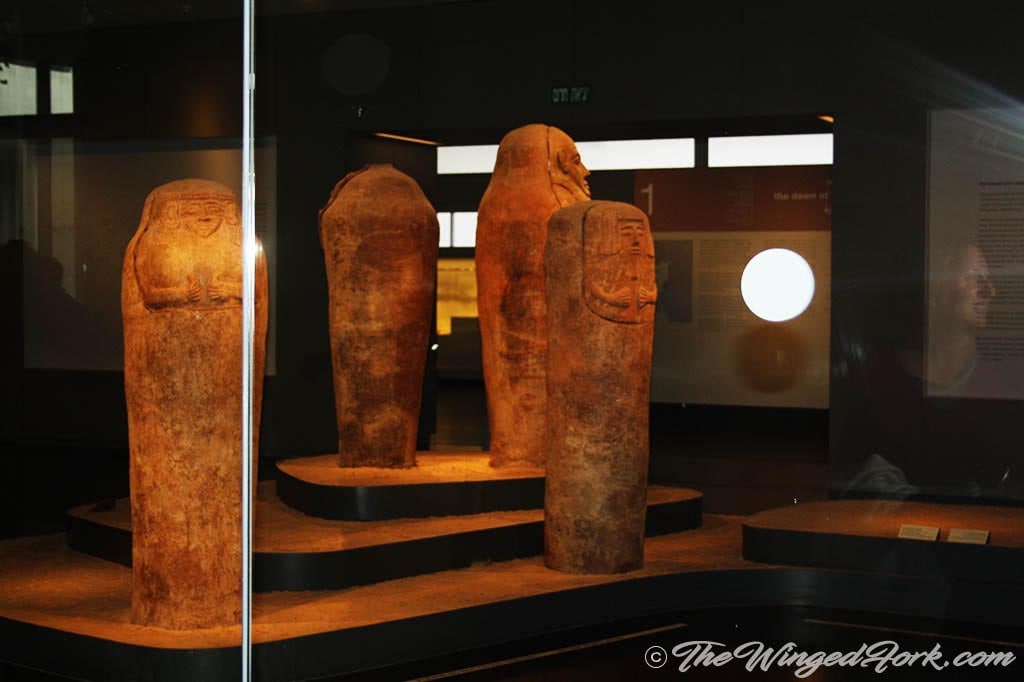
The Shrine of the Book houses the Dead Sea Scrolls — the oldest known biblical manuscripts, discovered in caves at Qumran in the 1940s. The building itself is architecturally striking: a white dome representing the Sons of Light, with a black basalt wall opposite representing the Sons of Darkness – imagery drawn directly from the scrolls themselves.
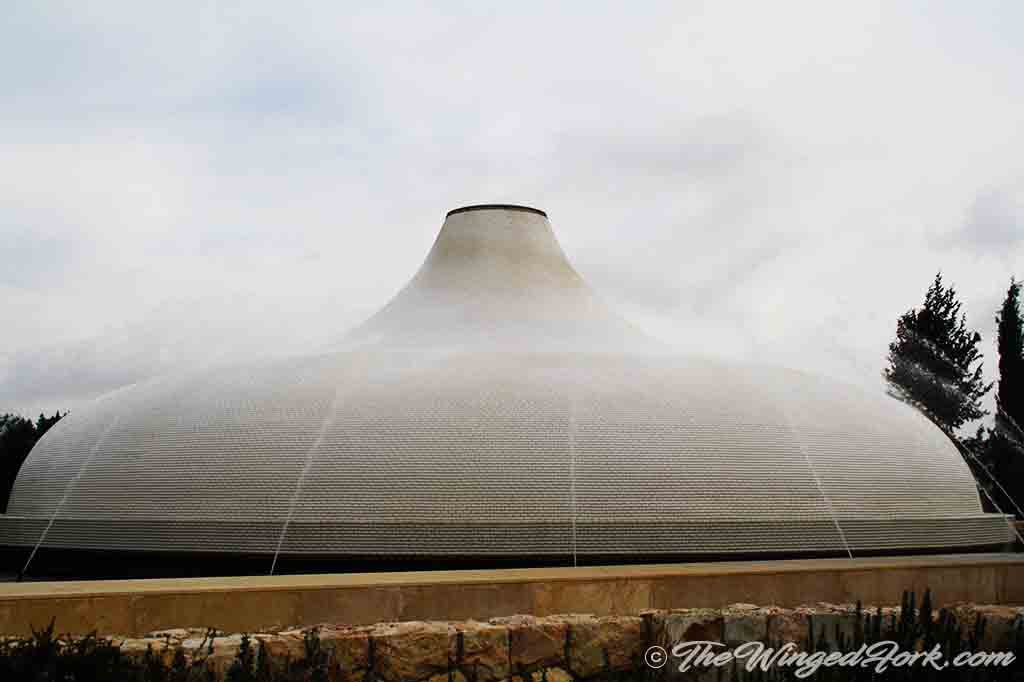
Opposite the white-colored Shrine of the Book is a Black Basalt Wall.
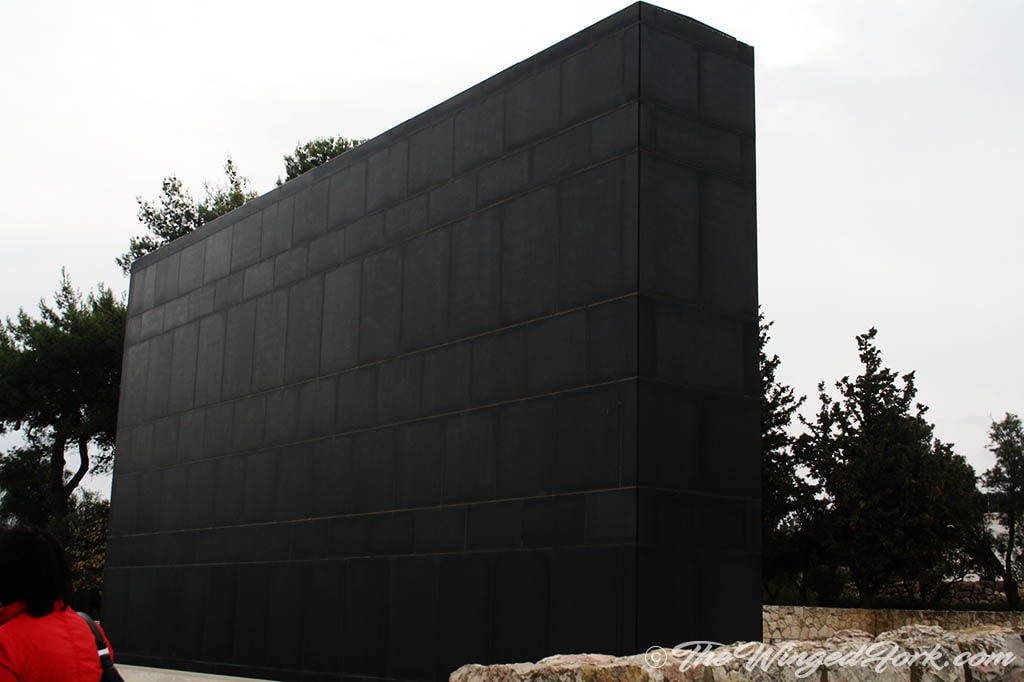
The contrasting imagery represents the war between the Sons of Lights and the Sons of Darkness.
Information about The Israel Museum:
Lcation: Israel Museum, Derech Ruppin 11, Jerusalem
Mail: info@imj.org.il
Phone: +972-2-6708811
Website: imj.org.il
The Western Wall
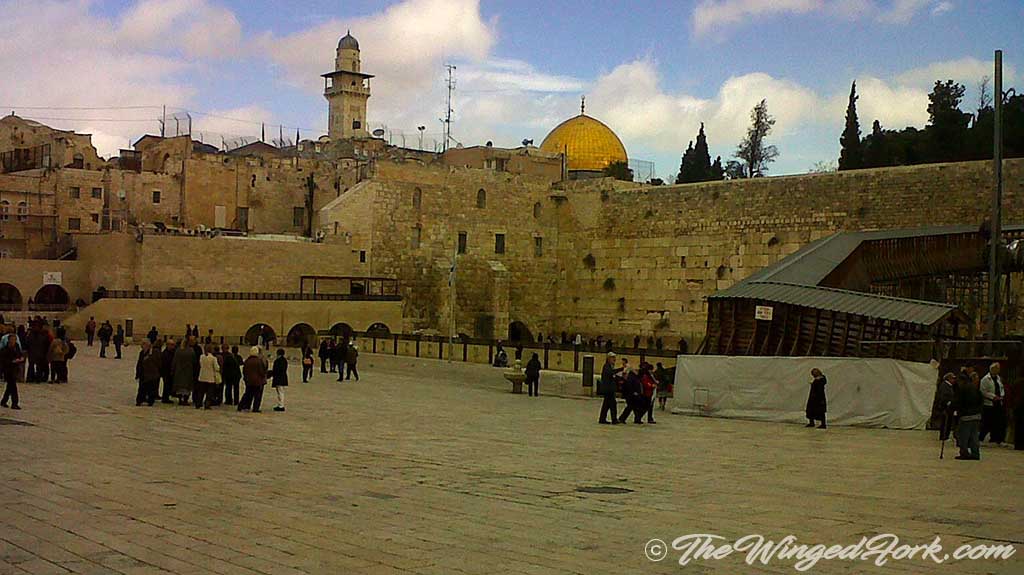
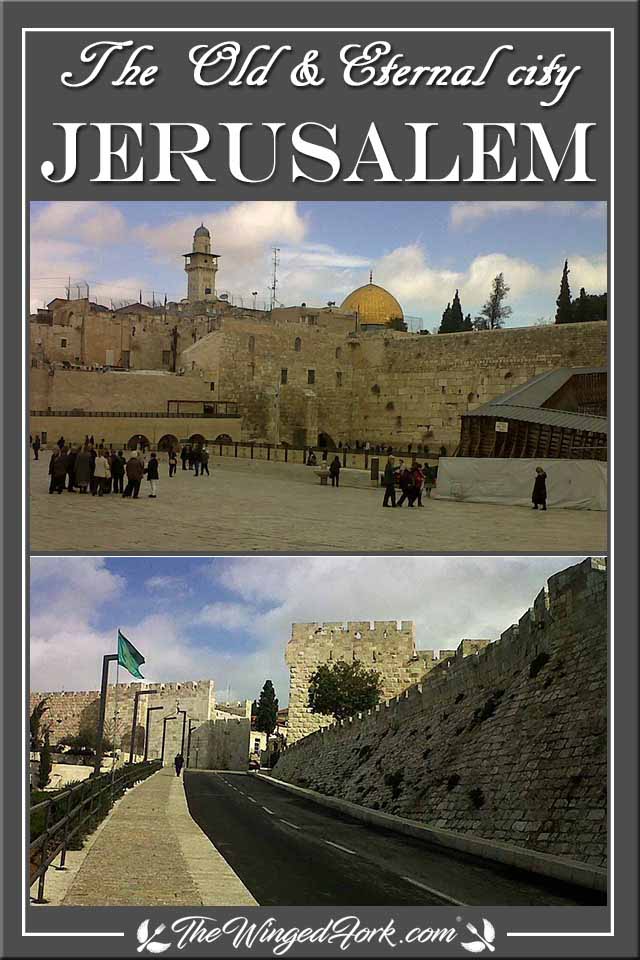
The Western Wall aka the Kotel is the outer retaining wall of the Temple Mount, the holiest accessible site in Judaism and one of the most electric places I’ve ever stood. The wall itself is enormous, the ancient stones worn smooth by centuries of hands pressing notes into the cracks. You do not need to be Jewish to feel the weight of what this place has meant to people for two thousand years.
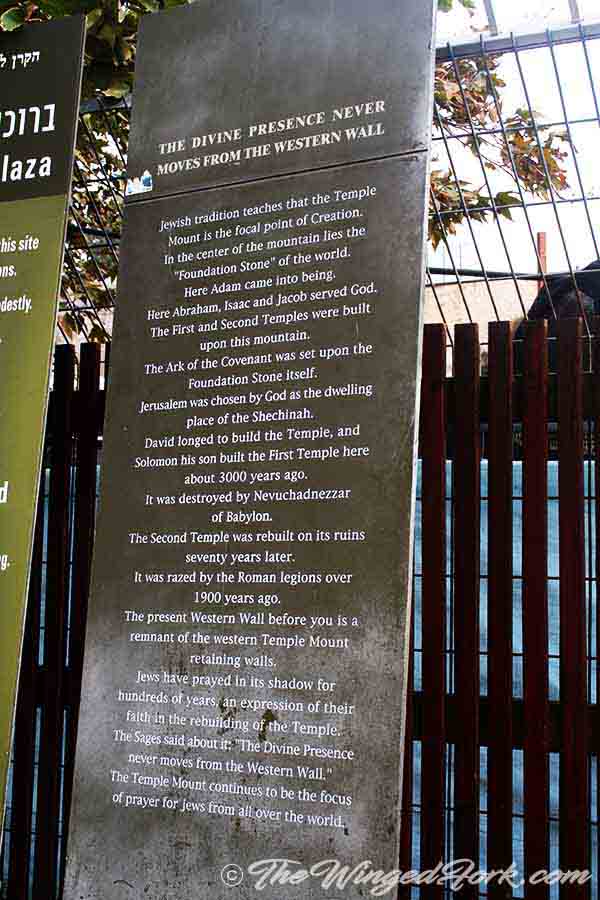
Information about The Western Wall:
Jerusalem, Israel
Phone: +972-2-627-1333
Website: Ha Kotel
Via Dolorosa and the Church of the Holy Sepulchre
From the Western Wall we walked the Via Dolorosa ,the route Jesus walked to Calvary, marked by the fourteen Stations of the Cross. The street itself is now lined with shops selling religious items, which takes some adjustment if you come expecting solemnity. But the stone stations are there, worn and genuine, and the weight of the route is not entirely lost in the commerce.
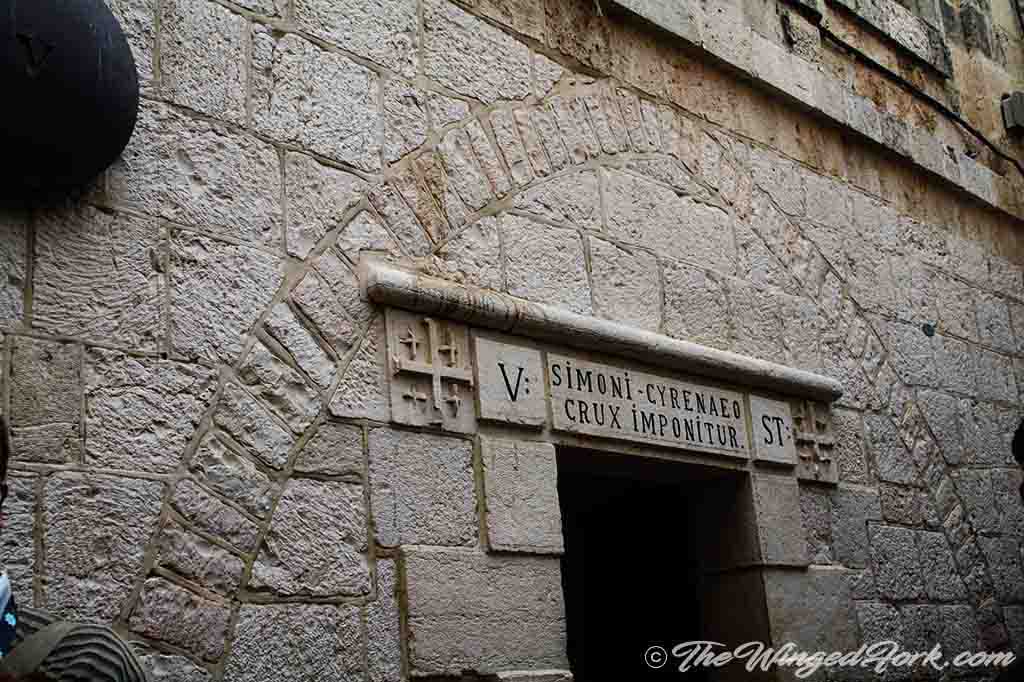
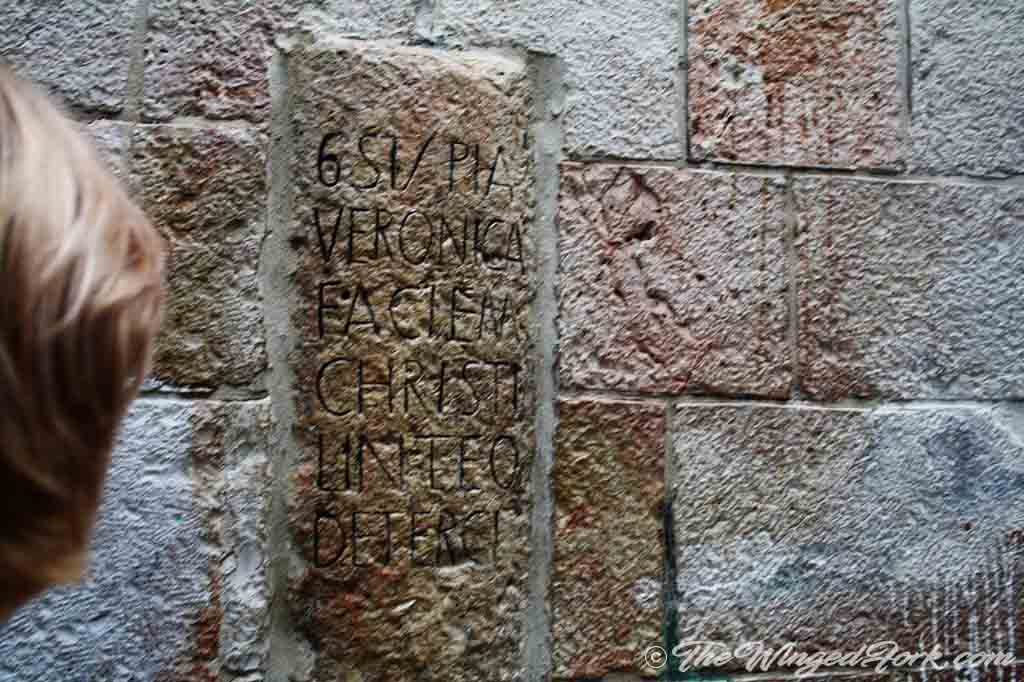
The Via Dolorosa ends at the Church of the Holy Sepulchre aka the Church of the Resurrection, that’s venerated as the site of Calvary and the tomb of Christ. The church is managed jointly by six Christian denominations, which creates an atmosphere unlike any other place of worship I have been to: ancient, complicated, deeply layered, and genuinely moving. The Stone of Unction, where Jesus’s body was prepared for burial, is near the entrance. The altar over the Rock of Golgotha is up a steep flight of stairs.
We then visited the Church of the Holy Sepulchre, venerated as the Hill of Calvary, the place where the Cross of Jesus once stood, and also the place where He was buried.
Church of the Holy Sepulchre is also called the Church of the Resurrection or the Church of the Anastasis or Kanīsatu al-Qiyāmah.
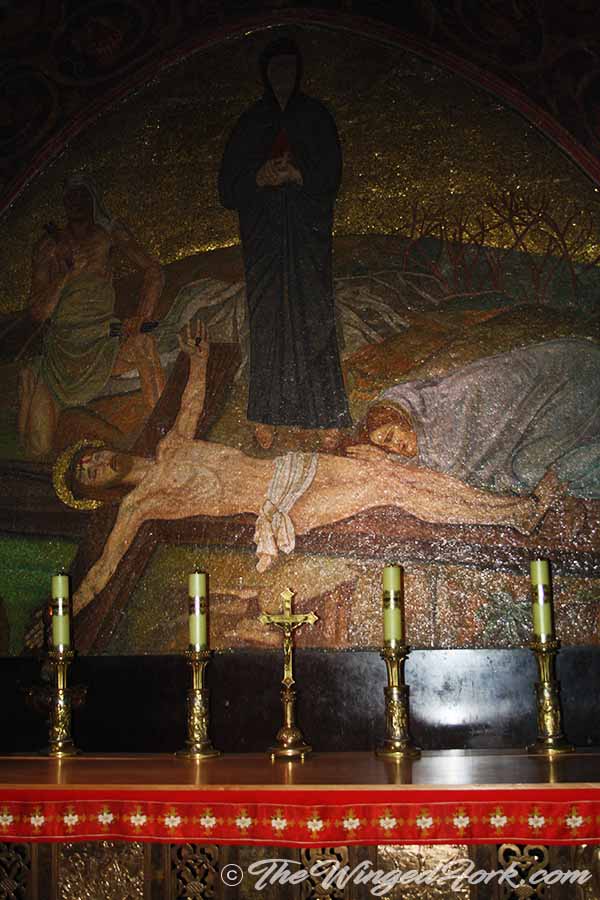
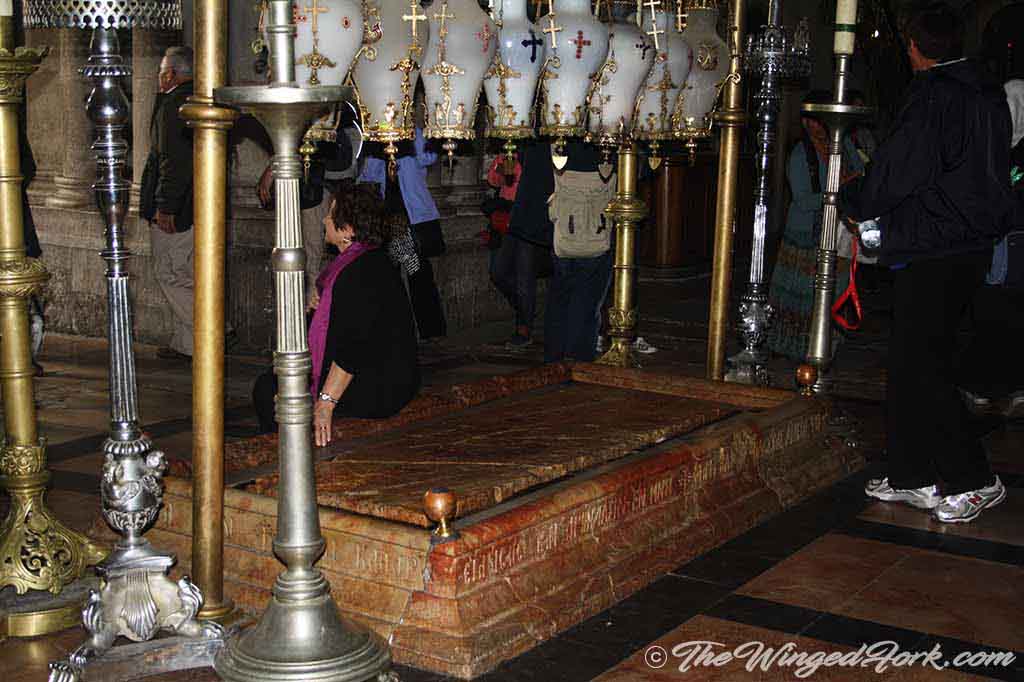
Information about Church of the Holy Sepulchre
Located on Ha Nostrim Street in the Christian Quarter in Jerusalem, entrance to the church is free.
Zedekiah’s Cave
We headed back to the hotel as we had a grand evening planned. Since it was the last night of the trip, there was a closing event with dinner and drinks at Zedekiah’s Cave (also known as Solomon’s Quarries).
It was about 200 meters below ground, and we were advised to wear comfortable walking shoes. That being said, a lot of ladies turned up wearing high heels. It was definitely a sight to see! As for me, most of the trip was spent in sneakers since that was all I could wear, due to a sprained ankle less than a month earlier…
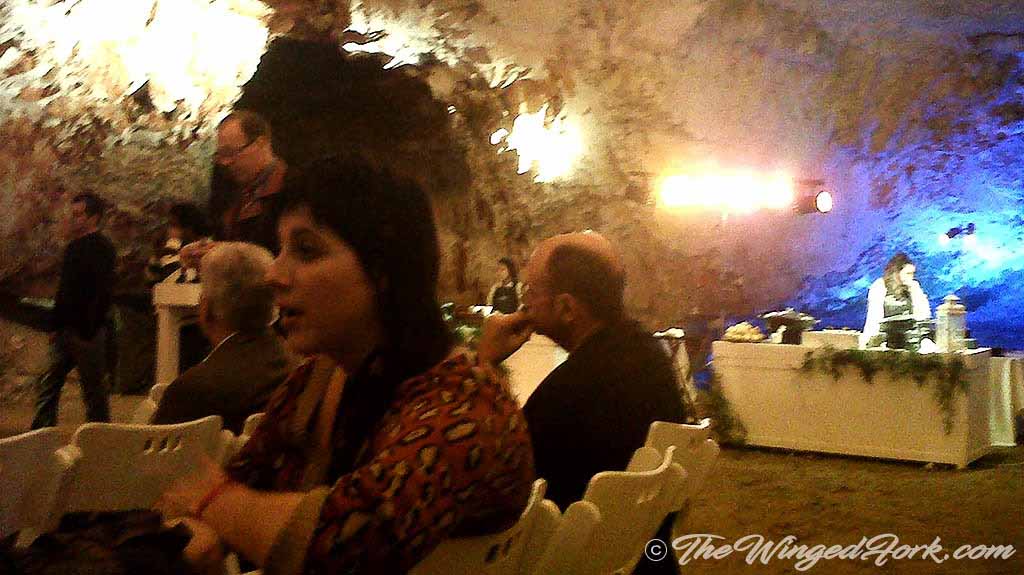
The cave was lit for the event and the effect. Having dinner and live music in an ancient quarry carved under a city was unlike any closing dinner I have attended before or since.
Information about Zedekiah’s Cave:
Zedekiah’s Cave, Sultan Suleiman Boulevard, Jerusalem, Israel
Phone: +972-2-627-7550
Getting Lost in the Old City
The next day was at leisure. I had a flight to catch later that evening, and decided to do some shopping in the morning. I went to the reception at the hotel where I got a map and decided to go back to the Old City to shop.
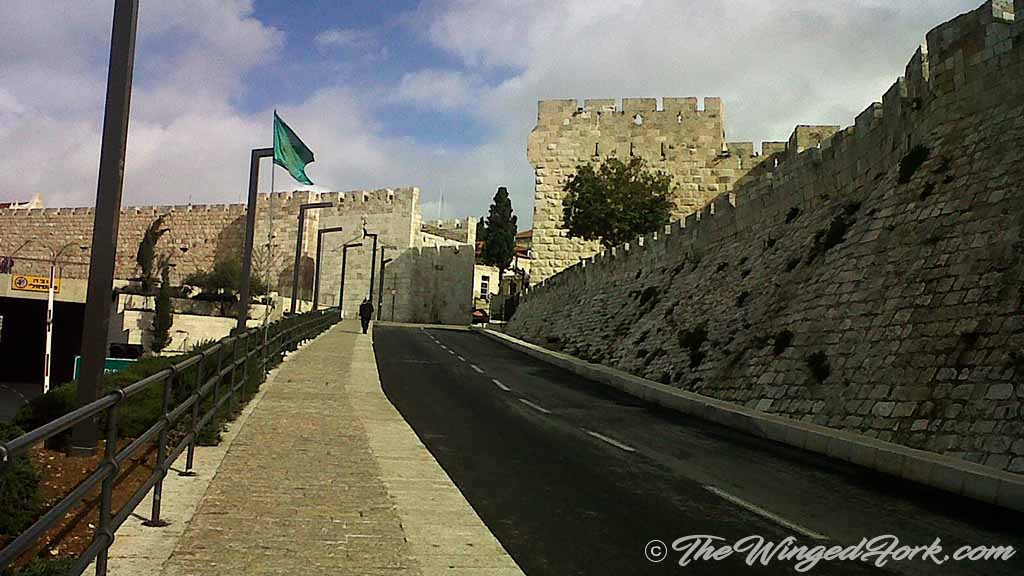
I made my way there pretty easy. I entered through the Jaffa Gate that was closest to my hotel, browsed through a few art shops, bought a few bracelets of the Star of David, the menorah, some olive wood doves and some sheep… yeah toy stuffed sheep for my friend’s kids. In all that, I also did get asked by a store owner if I had a boyfriend and if I would be willing to stay in Israel and get married. That wasn’t a first though. The last time that happened was in Kenya. So I had practice 😉
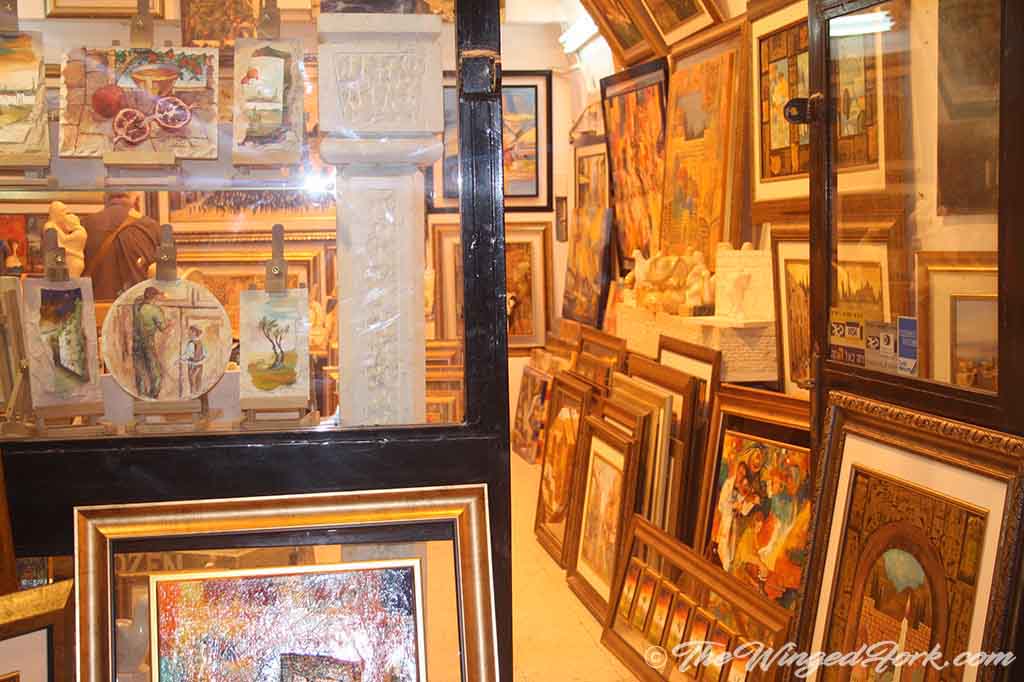
Anyway, after turning down the proposal, I head toward the Western Wall, said a prayer and decided to head back. But I got a bit lost and ended up at Lions Gate, which was at the opposite end. But I did manage to find my way back, although I had to pass by and say one more Goodbye to the cute guy who wanted to marry me, and then walk back to my hotel.
Security, hmm…
Later that afternoon, we headed to the airport, and I must say that the security is the tightest I’ve ever seen. I’m not sure what they saw in my bag, but after emptying my entire suitcase and rummaging around in it, the guard helped me re-pack. That was nice of her…
Relieved that that was over I head to security, and guess what, even after taking off my belt and watch, it beeped… Shoes came off next. But I still beeped. I couldn’t think what else it could be…
When I realized that it might be the pin that was holding my ankle bandage together. After taking it off, I finally stopped beeping and yet had to remove the entire bandage to show them that I had nothing else on me and they finally let me go… My flight back was on ELAL, and I was really thankful for that, because no matter what, it’s the safest airline on the planet.
Booking a Jerusalem Guide
Jerusalem rewards a good guide more than almost any other city. The layers of history in the Old City are genuinely difficult to navigate without context, and the difference between walking through it with and without expert commentary is significant. For a private tour that moves at your pace, a private guide is one option, or you can book a private Jerusalem guide.
All in all, I had a great experience in the City of Gold! Can’t wait to go back again to experience another part of the Holy Land, Israel.
More Israel Travel Posts
- Things to do in Eilat, Israel’s southernmost tip
- Visiting Masada: Israel’s Fortress in the Desert
- The Dead Sea: Floating at the Lowest Point on Earth
- Best places to eat in Jaffa
- Israel: A Biblical and Christian Summary

Although Sarah has worked in travel for 15 years and specializes in Africa, she loves music, wine, food, and travel. Armed with her camera, she’s on a mission to photograph old memories and tell stories showcasing her East Indian community and her love for travel and culture. Her book Jevayla Ye with her sister Abby has won the international Gourmand Award for Best Indigenous People Cookbook in the World.
I’d go back just for the felafel and schwarma . . Would also love to visit Beit Sh’ean
I have visited Jerusalem once but I would like to back and explore more. I thought it was quite fascinating. We were there only for a day trip so I feel like there is still more to see. And I totally agree with the security! Getting out of the country was such a hassle.
Yeah, totally agree, there is a lot to see. You must go back again. Security is a hassle but that’s what makes it so safe.
Israel has been on my agenda for long. In fact I just missed going there. Your post has given the extra drive to wish. Thanks for sharing it.
It’s a must see. I do hope you get the chance to visit 🙂