Masada is one of those places that is difficult to photograph but impresses you enormously in person. It sits on an isolated rock plateau 400 metres above the Dead Sea, in the middle of the Judean Desert, and it has been sitting there for more than two thousand years. We visited on the way from Tel Aviv to the Dead Sea as part of a week-long tour of Israel, and it was the stop that stayed with me longest.
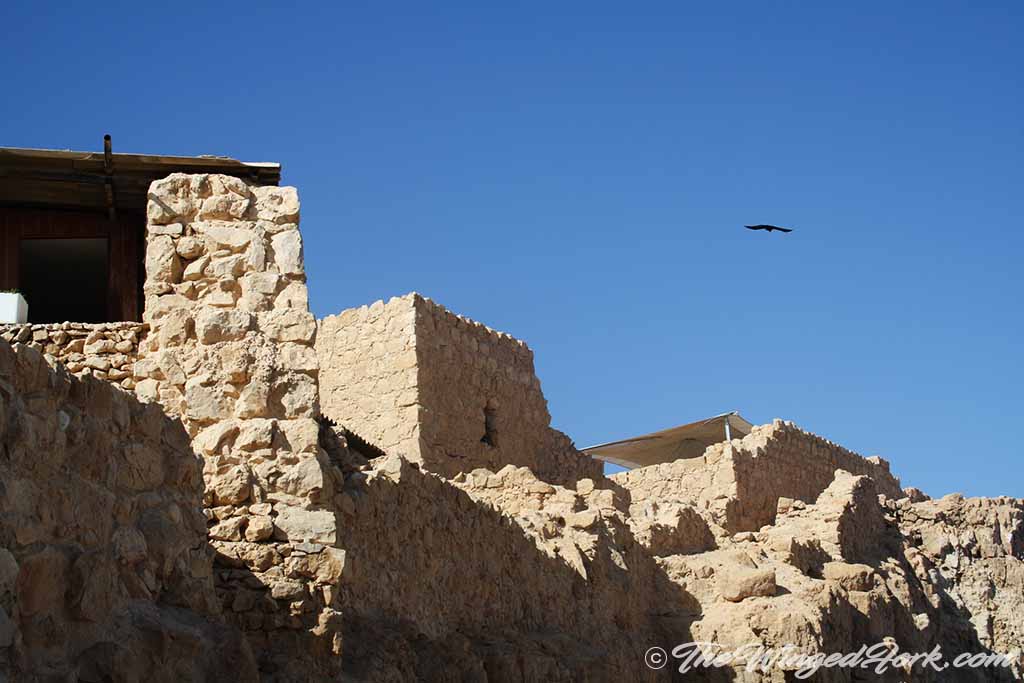
What Is Masada?
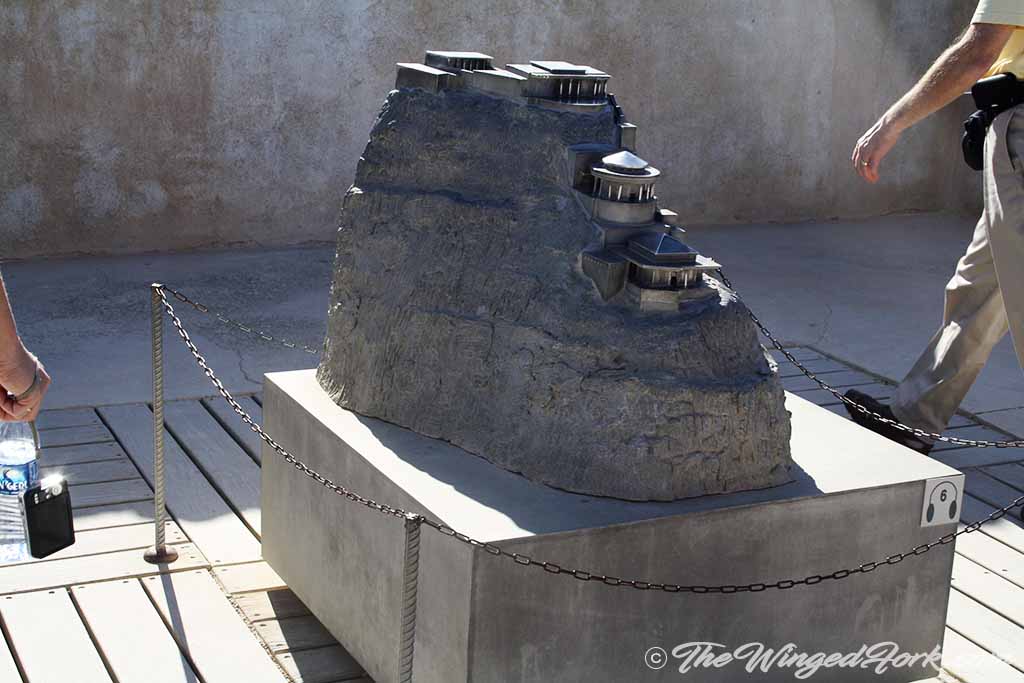
Masada (מצדה, meaning “fortress”) was originally built as a palace by King Herod in the first century BC: a lavish, three-tiered complex on an impossible plateau, with its own cistern system that somehow kept the residents supplied with fresh water in the middle of the desert. After Herod, it became the last Jewish stronghold against the Romans. In 70 AD, nearly a thousand Jewish rebels held out here against 15,000 Roman troops. When the Romans finally breached the walls in 73 AD via an enormous siege ramp, they found the defenders had chosen death over slavery. The phrase Masada shall not fall again – Sheynit Masada lo tipol – has been part of Israeli national identity ever since.
Getting to the Top
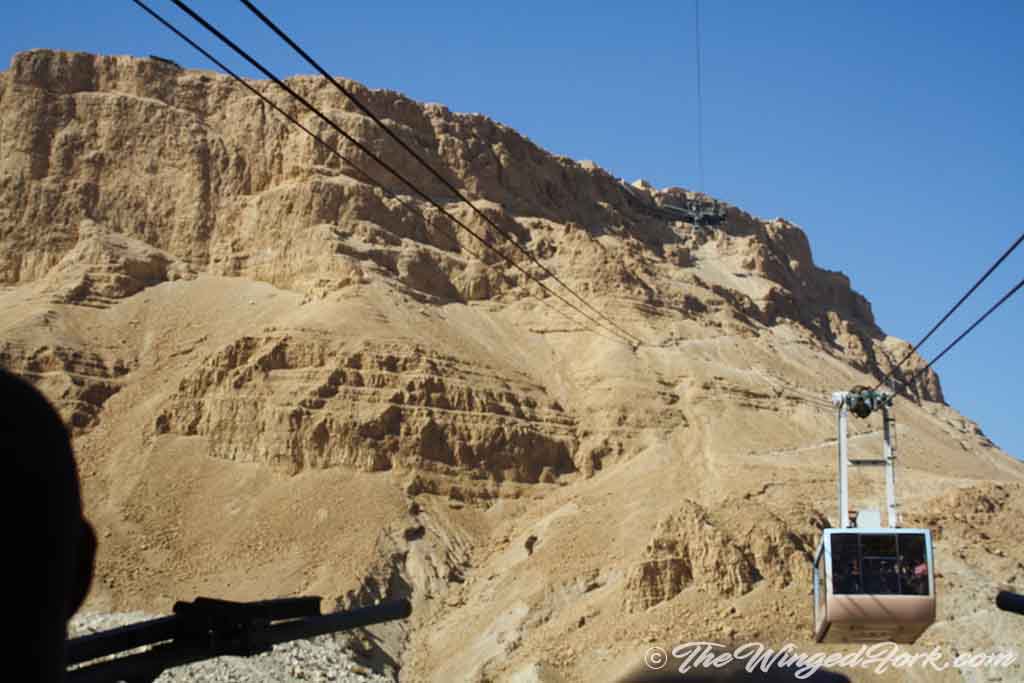
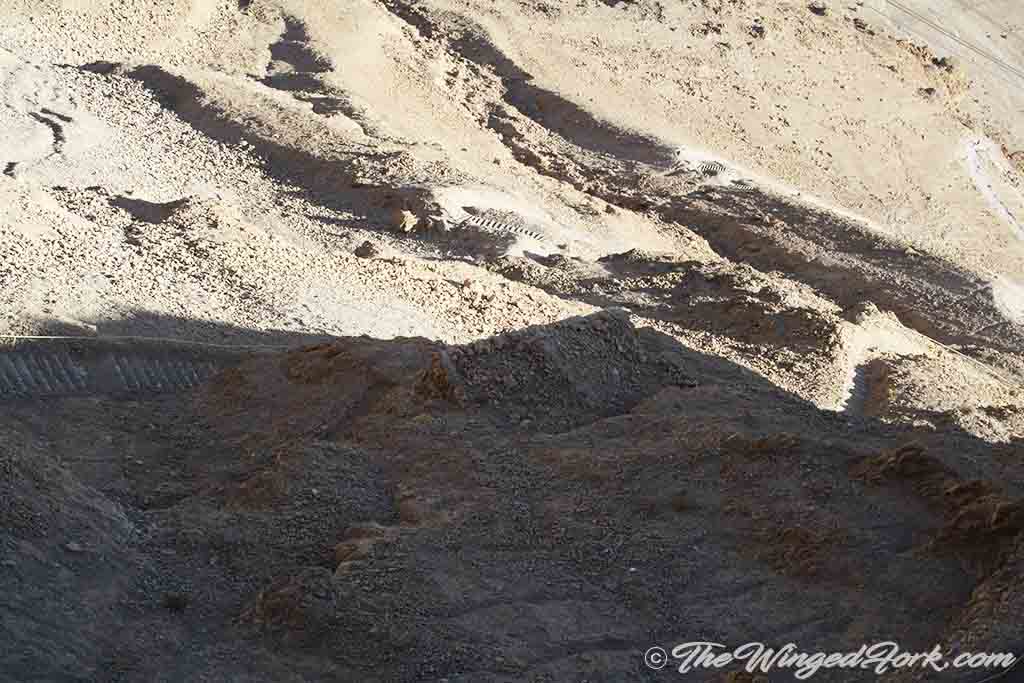
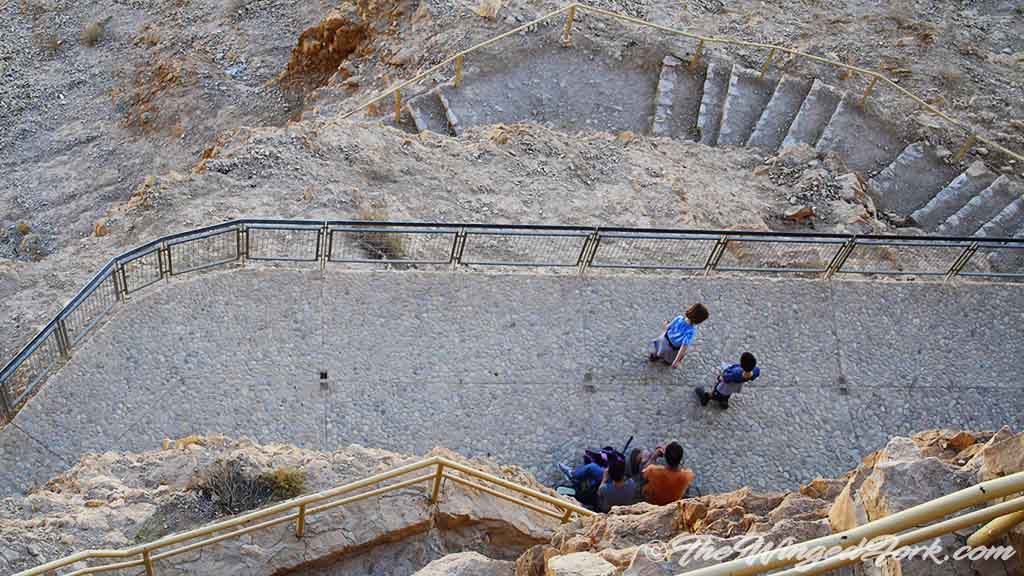
There are three ways up. The cable car is the obvious choice for most visitors. It’s quick, comfortable, and the views on the way up are already remarkable. The Snake Path is the original ancient route: a steep, winding climb that takes 30–45 minutes and is best attempted very early in the morning before the desert heat kicks in. The Roman Ramp path on the western side is a shorter but still steep walk, following the route the Romans built during the siege.
My group took the cable car (the easy way), though I watched a few braver souls make the Snake Path ascent with obvious satisfaction when they reached the top.
What to See at the Top
Give yourself at least two hours at the top. The site is larger than it looks in photographs and there is a lot to take in slowly.
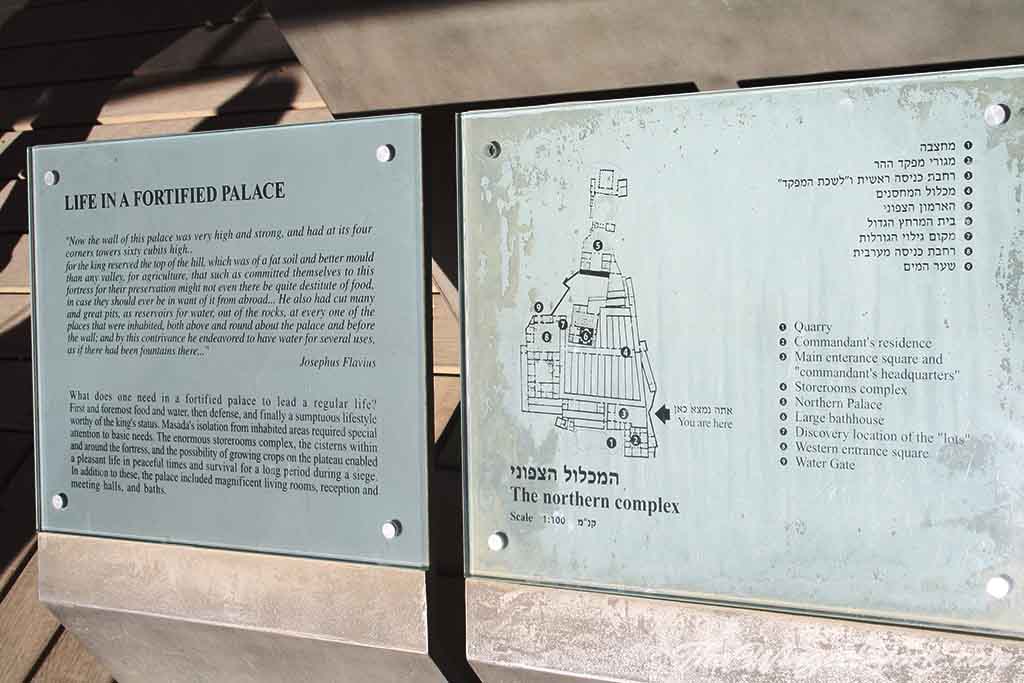
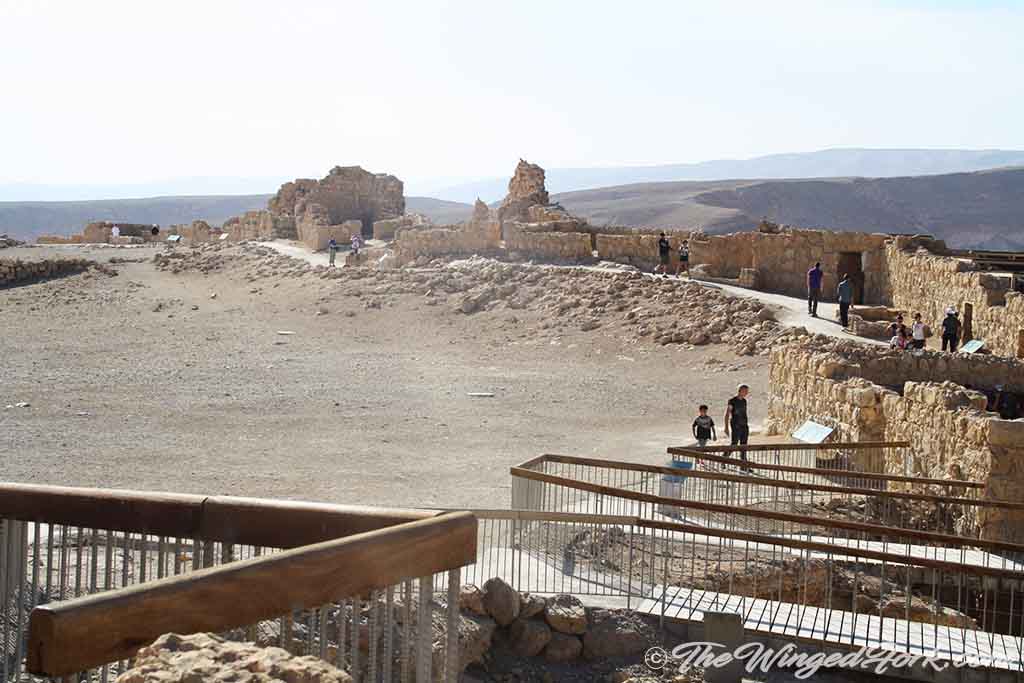
The ruins of Herod’s palace cover the northern tip of the plateau: three rock terraces descending the cliff face, with stunning views of the Dead Sea from each level. The cisterns are extraordinary: an elaborate system of channels and carved water stores that kept hundreds of people alive in a waterless desert. The fact that it worked is almost harder to believe than the fact that someone built it.
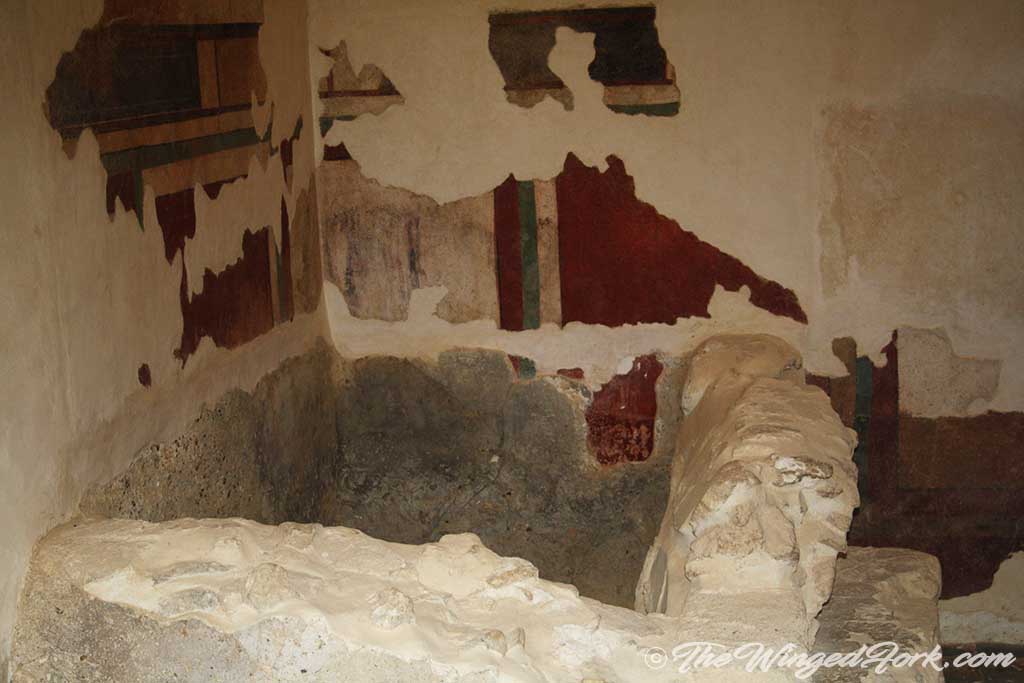
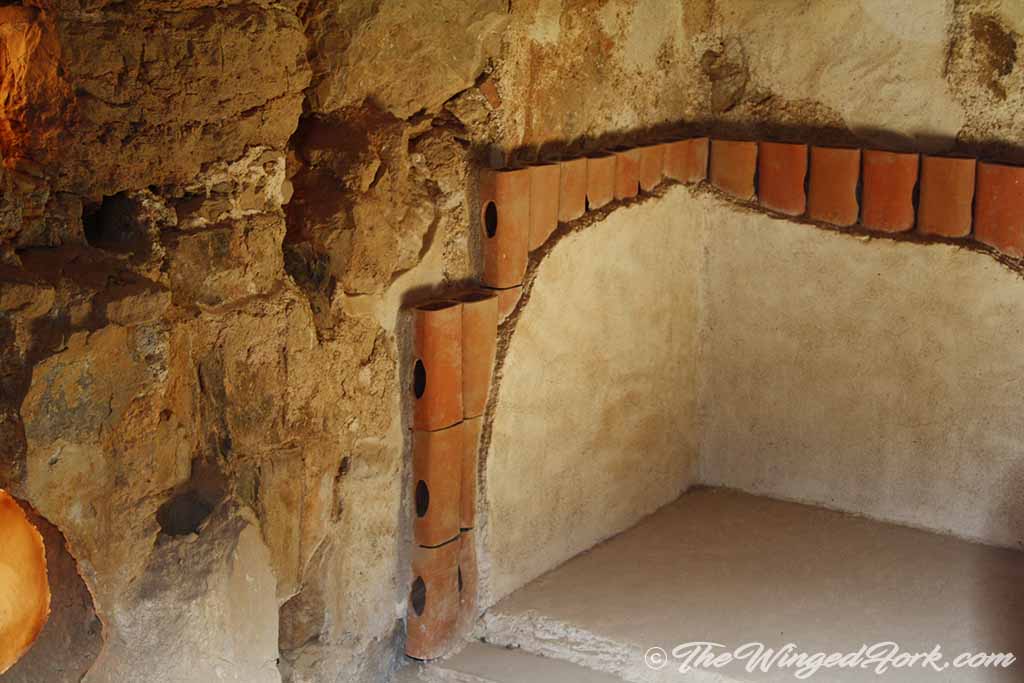
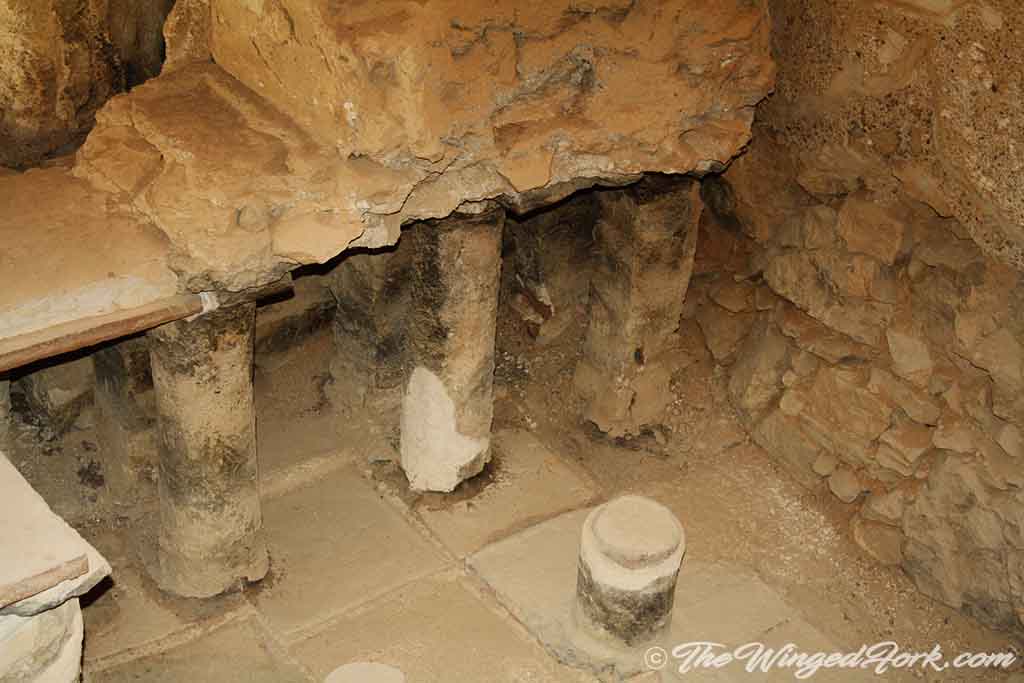
The mosaics are one of the highlights. These geometric patterns in stone that have survived two millennia in the open desert, still with colour. Archaeologists have also excavated what appears to be a sauna or steam room, which feels both surprising and completely plausible given Herod’s love of comfort.
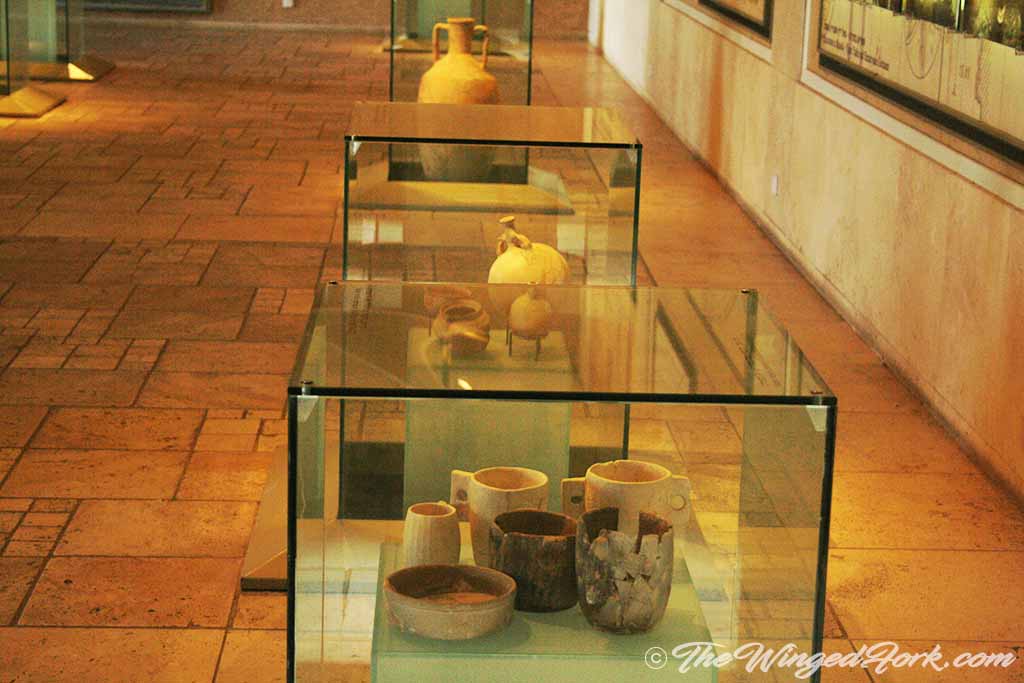
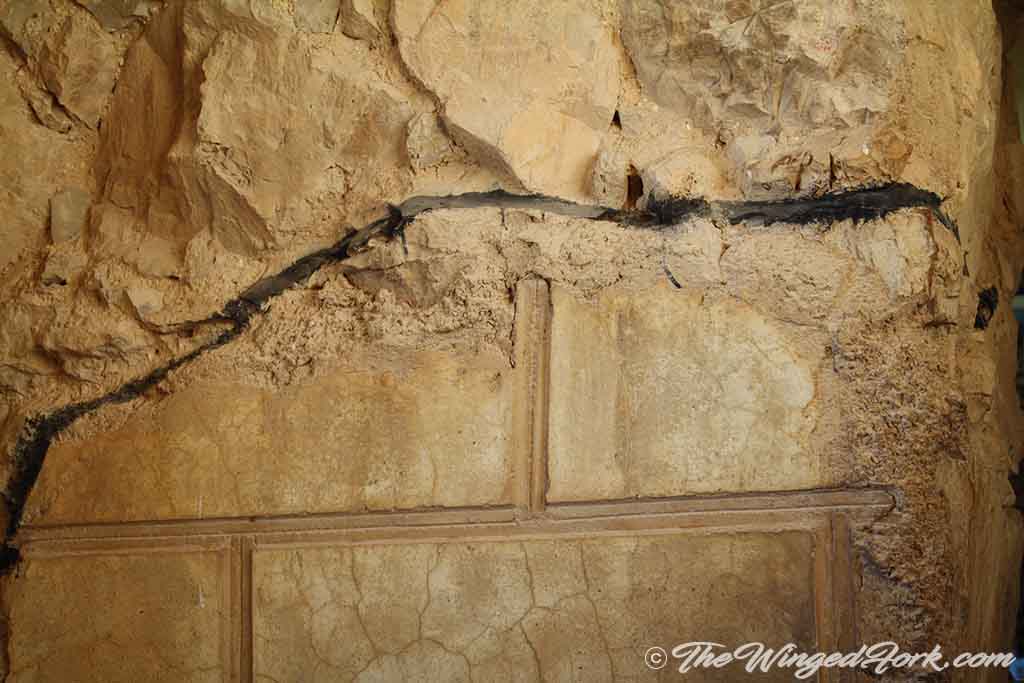
One detail I found fascinating: throughout the ruins, a black line marks where the original excavated structure ends and the rebuilt portions begin. Everything below the line is genuinely two thousand years old. Everything above was reconstructed using the same original stones. It sounds like a small thing but it gives you a much clearer sense of what was actually found versus what was restored.
The Roman Siege Camps
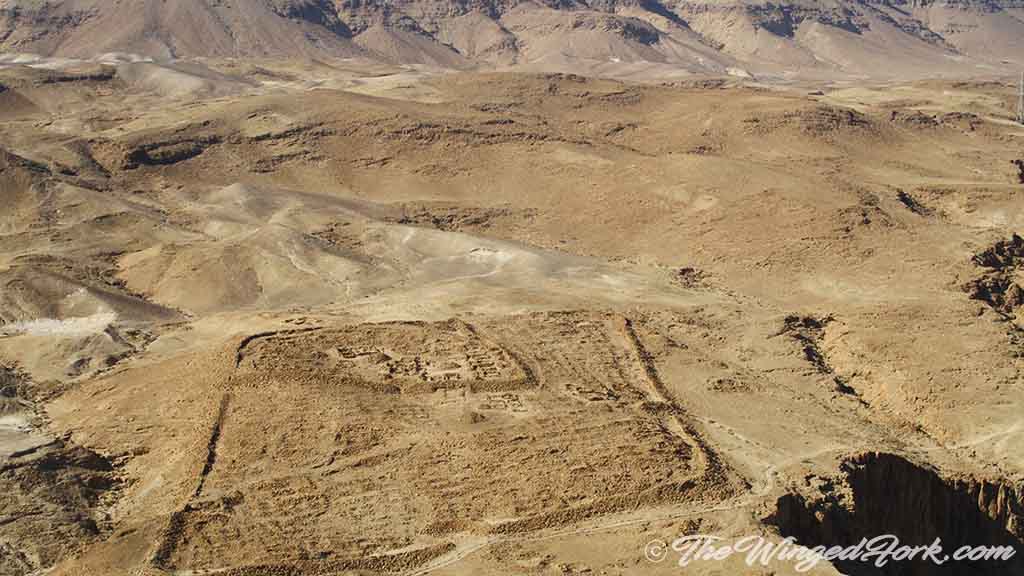
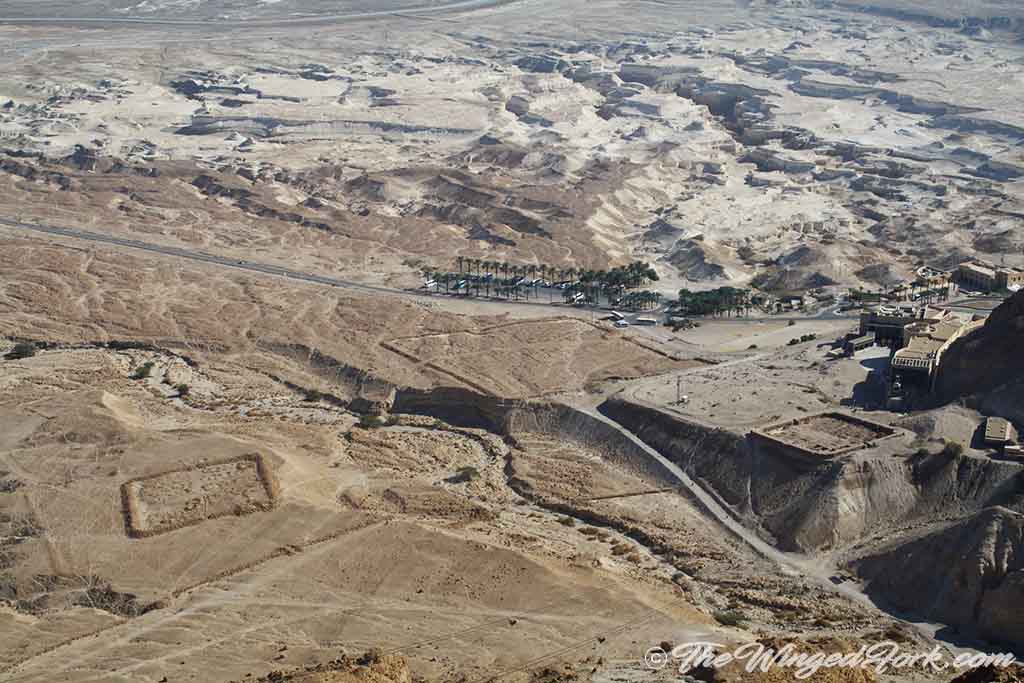
Look down from the walls on the western side and you can see the outlines of the Roman encampments that surrounded the fortress in 73 AD. Archaeologists have been re-marking these sites – the camps of 15,000 soldiers who spent months building the great siege ramp that finally breached the walls. Seeing the scale of the operation from above makes the defenders’ resistance all the more striking.
The Views
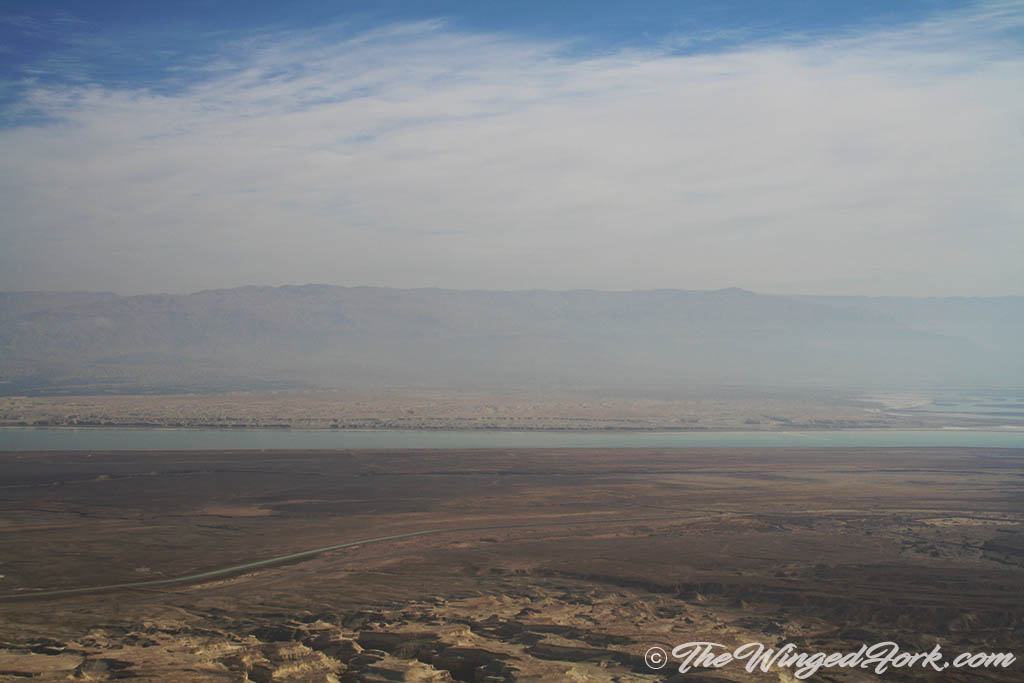
The Dead Sea in the distance looks unreal from up here – a flat silver mirror at the bottom of the world. On a clear day you can see the Jordan on the far shore. The desert below has a strange miniature quality to it, the road and scattered trees looking like a scale model. It’s very quiet at the top, the kind of quiet that makes you understand why people built fortresses on high places.
Tours to Masada
Masada is most commonly visited as a day trip from Tel Aviv or Jerusalem, often combined with the Dead Sea and Ein Gedi. The history is layered and though the site itself gives you a lot of context, a guide makes an enormous difference.
- From Tel Aviv: Masada and Dead Sea day trip
- From Jerusalem: Masada Sunrise, Ein Gedi and Dead Sea
- From Jerusalem: Qumran, Dead Sea and Masada
- From Tel Aviv: Masada Sunrise, Ein Gedi and Dead Sea
Masada National Park practical info:
Masada National Park, Judean Desert, Israel
Phone: +972-08-6584207 | Email: masada.info@npa.org.il
parks.org.il
Summer (Apr–Sep): Sun–Thu and Sat 8:00–17:00 | Fri and holiday eves 8:00–16:00
Winter (Oct–Mar): Sun–Thu and Sat 8:00–16:00 | Fri and holiday eves 8:00–15:00
Yom Kippur eve: 8:00–12:00
More Israel Travel Posts
- Things to do in Eilat, Israel’s southernmost tip
- The Dead Sea: Floating at the Lowest Point on Earth
- Jerusalem: The Old City, Eternal City
- Best places to eat in Jaffa

Although Sarah has worked in travel for 15 years and specializes in Africa, she loves music, wine, food, and travel. Armed with her camera, she’s on a mission to photograph old memories and tell stories showcasing her East Indian community and her love for travel and culture. Her book Jevayla Ye with her sister Abby has won the international Gourmand Award for Best Indigenous People Cookbook in the World.
Permanent source of freshwater coming through the cisterns, now that’s some incredible planning.
The Majesty Of Masada does give out a complete view, breathtaking with the Dead Sea on one side and the desert on the other. It must have given a chilly feeling up the spine as the Roman troops approached, can’t imagine what they went through.
Would definitely recommend walking up the snake path to see the sunrise . . . and don’t forget to take a torch.