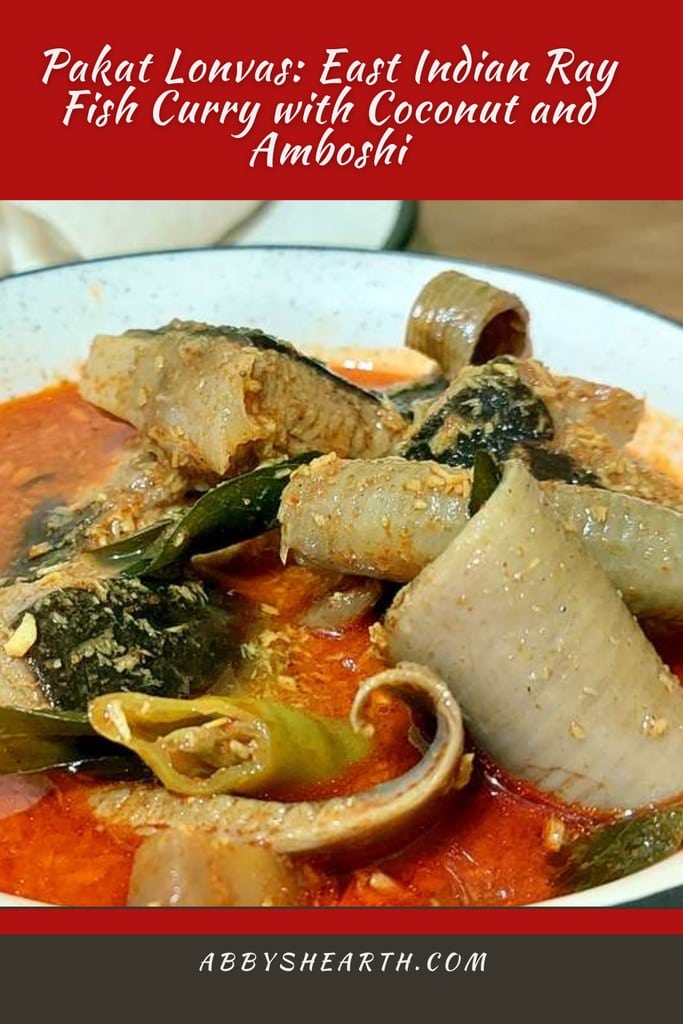
Skate or Ray (Pakat) Fish Lonvas is a cooling curry apt for the warm summer weather.
Pakat (ray or skate fish) belongs to the batoid family and supposedly closely related to mushi (shark fish). We haven’t delved into how, but that’s what science says. Anyway, they’re a tasty fish that’s easy to eat since they don’t really have any bones and are made up entirely of cartilage.
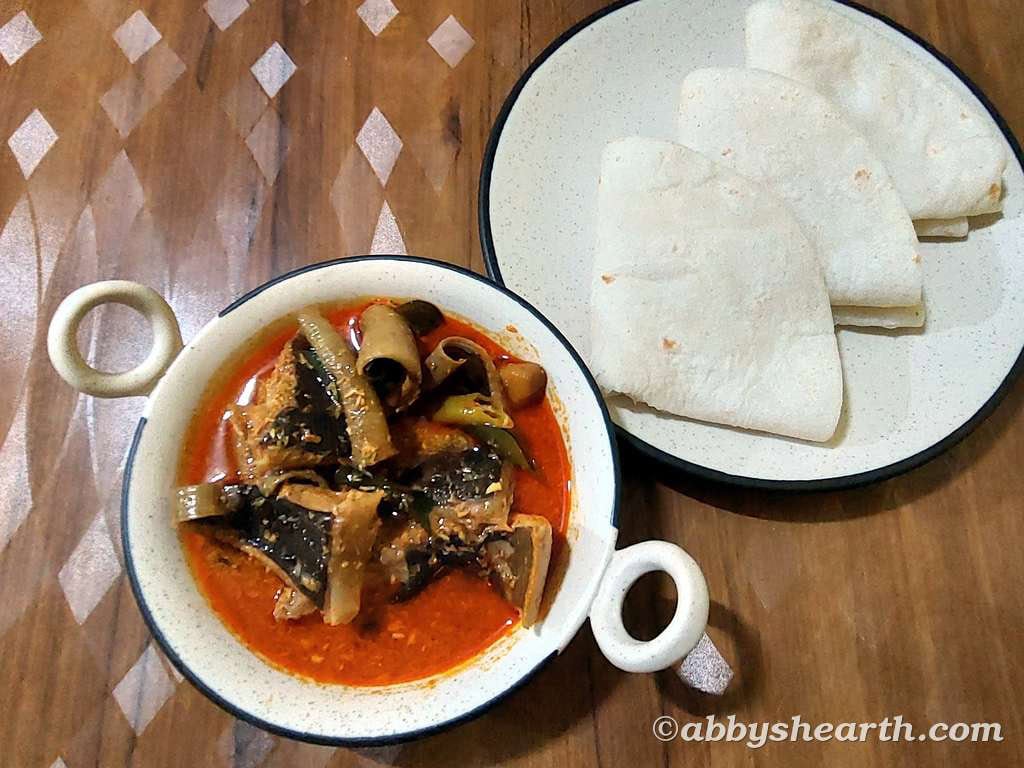
Over here in Mumbai, we usually eat it either of these two ways – fried or in a curry. The fried ray fish is good and goes well with red dal and rice. The curry version is perfect and does not need any dal as an accompaniment. This curried version is what we East Indians call a lonvas. A good cooling curry, ray fish lonvas is perfect for the hot summer weather.
What is a lonvas?
A lonvas is a specific style of East Indian curry — thin, coconut-based, mildly spiced, and with a gentle sourness from amboshi (sundried mango). It’s designed to be a cooling dish, which is why it’s popular in Mumbai through the hot summer months. The lonvas method is used with several types of fish in the East Indian community — you’ll find versions with mushi (milk shark), and of course pakat.
The key difference between a lonvas and a richer East Indian curry is the absence of onions and the use of amboshi (or somtimes tamarind or kokum) for the sour note. The result is lighter, cleaner on the palate, and considerably easier to make.
What is pakat fish?
Pakat is the East Indian name for ray fish or skate — a flat cartilaginous fish from the batoid family, closely related to sharks. In English it’s most commonly called ray or skate. It has no bones, only cartilage, which makes it very easy to eat. The flesh is mild and slightly sweet, with a firm-but-tender texture that holds up well in a curry without falling apart.
Here in Mumbai, it’s sold at the fresh fish markets and is most commonly available through the warmer months. If you’re outside India, look for it at South Asian or Southeast Asian fishmongers — skate wings are also sold in UK and European fishmarkets under the name skate.
Pakat Lonvas – East Indian Ray Fish (Skate) Curry
Click the stars to add your rating! Left you don’t like it, right you love it!


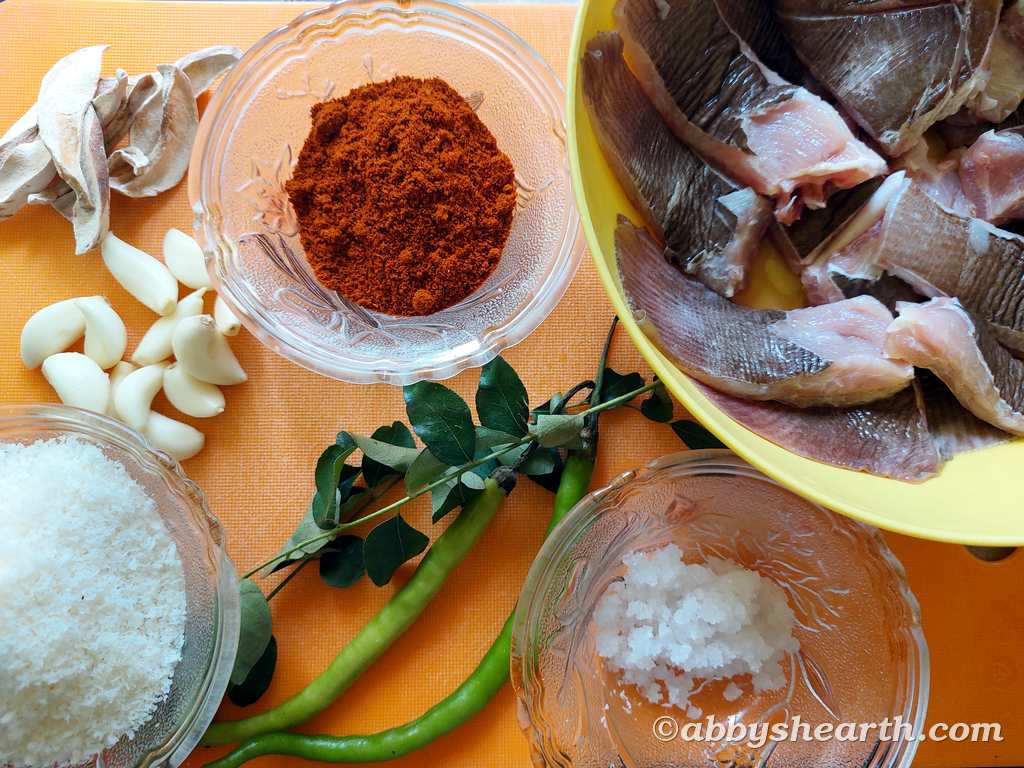
Ingredients
- 1 Pakat (Skate/Ray Fish)
- 12 Garlic Cloves or Garlic Flakes
- 8 pieces Amboshi (Sun dried mango)
- 2 sprigs Curry Leaves
- 2 Tablespoons Bottle Masala
- 4 Tablespoons Coconut Ground
- 2 Green Chillies
- 2 Tablespoons Oil
- 1 Tablespoon Salt
- 1 Tablespoon Rice Flour Optional
- 500 ml Water
Instructions
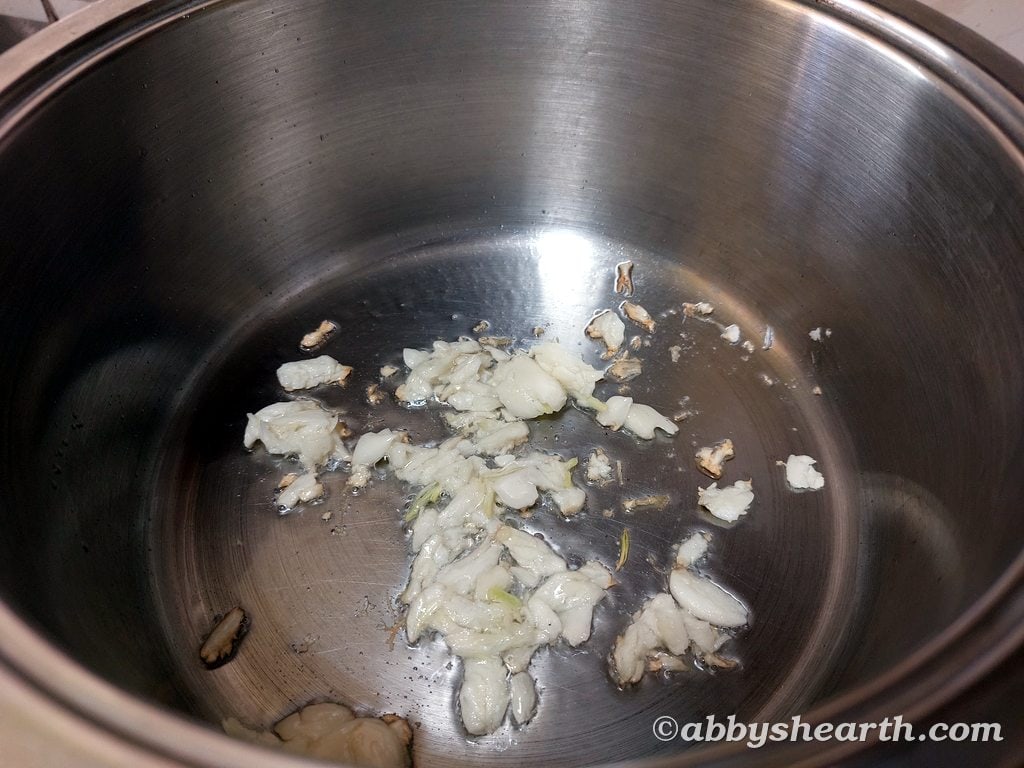
- Crush the garlic with a mortar and fry it in oil for 2 minutes.
- Slit the green chilies diagonally.
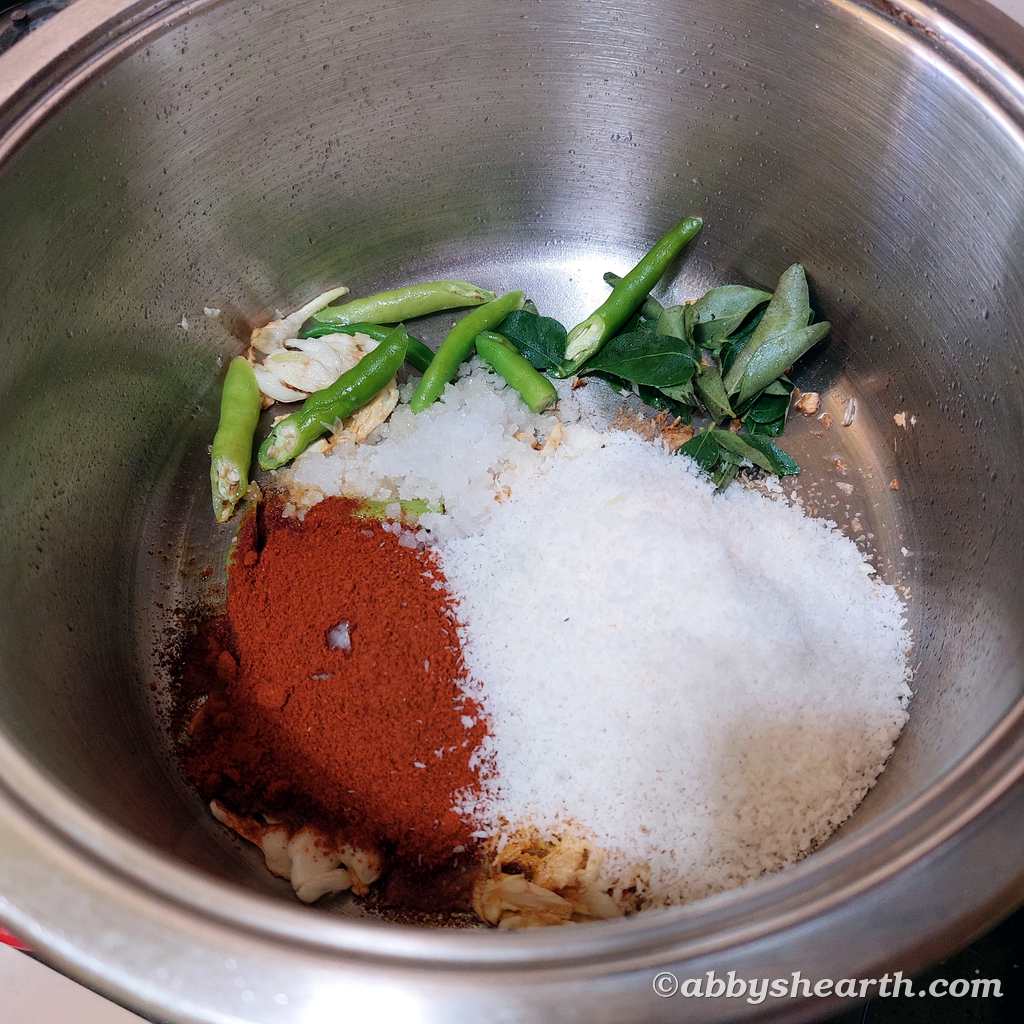
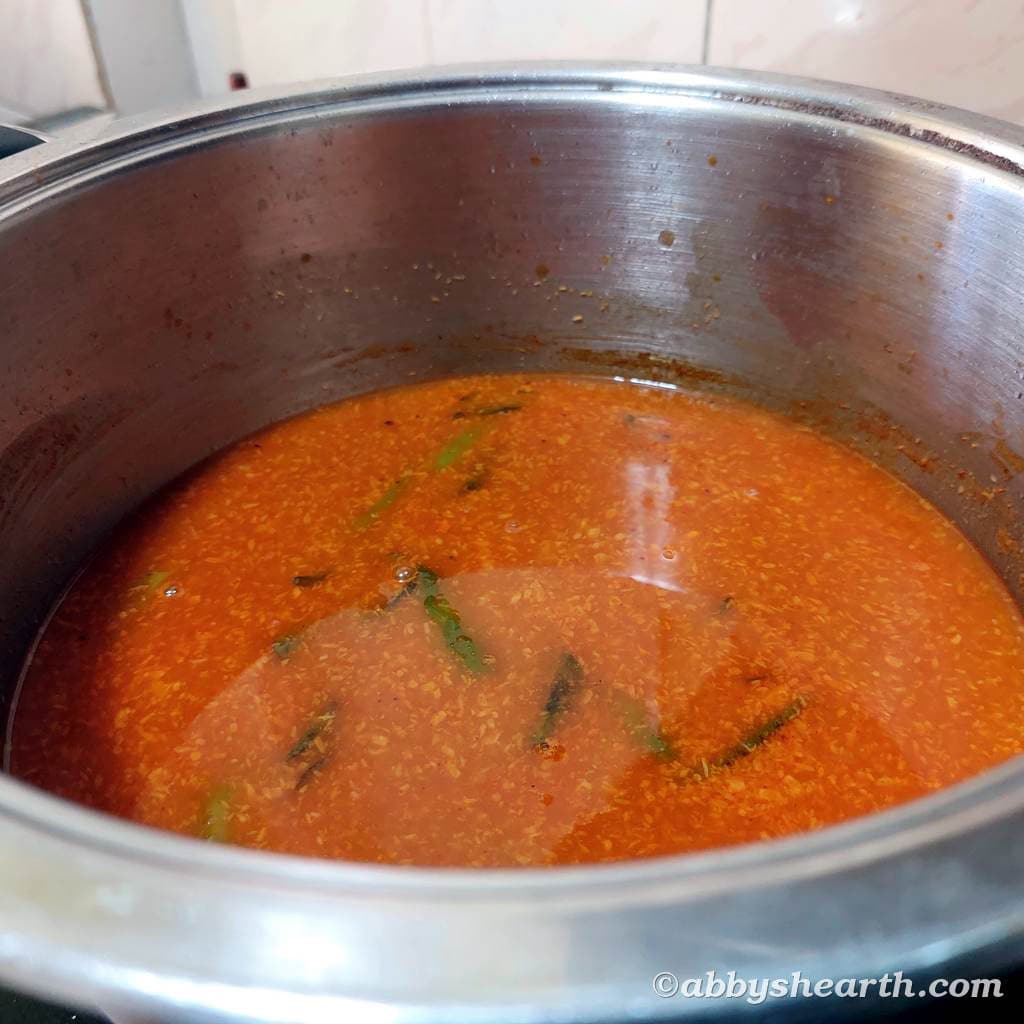
- Add the chilies, salt, coconut, bottle masala, and curry leaves to the garlic with 200 ml water and cook on a high flame for about 5 minutes.
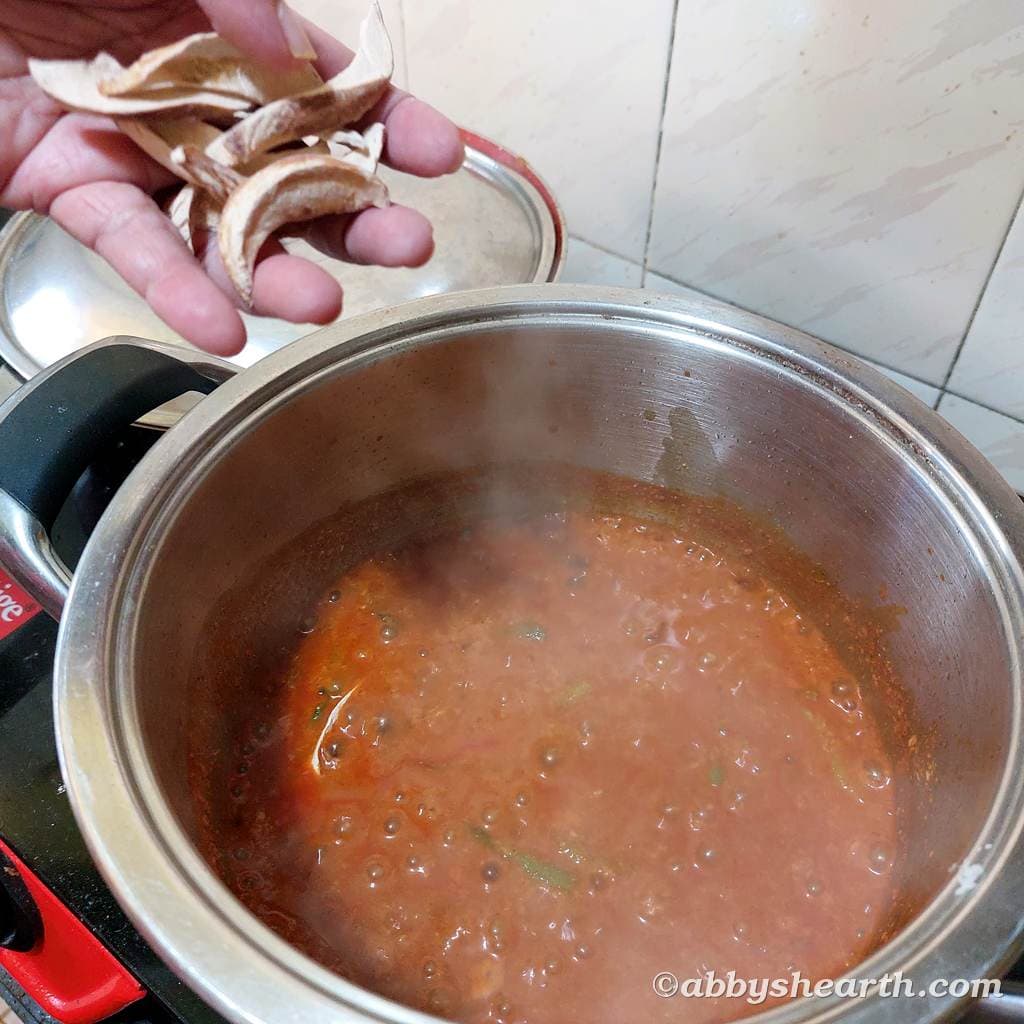
- Add the amboshi and about 300 ml more water and cook for another 2 minutes (still on the high flame.)
- If you want the curry thicker, you can mix rice flour and a little water. Add this to the curry and let it boil for a minute.
- Lastly, add the fish pieces and continue cooking on the high flame for about 3 minutes till done. (If you have the pakat liver, add it in a minute before turning the stove off).
- Serve with plain rice or rotis or apas.
Please click to rate the recipe! Left you don’t like it, right you love it!
Notes
- You can make the same recipe with mushi or milk shark fish.
- If you don’t have 8 pieces amboshi, use 4 kokam petals or a teaspoon of tamarind paste.
Nutrition (Per Serving)
Disclaimer: Nutrition Information per serving is estimated by a third party software based on the ingredients used, and is for informational purposes only. It will vary from product to product, based on methods of preparation, origin and freshness of ingredients. Please consult the package labels of the ingredients you use, or chat with your dietician for specific details.
This printable recipe card is for home use only. For more recipes head over to AbbysHearth.comStep by step method to make Pakat Lonvas (Skate/ray fish curry)
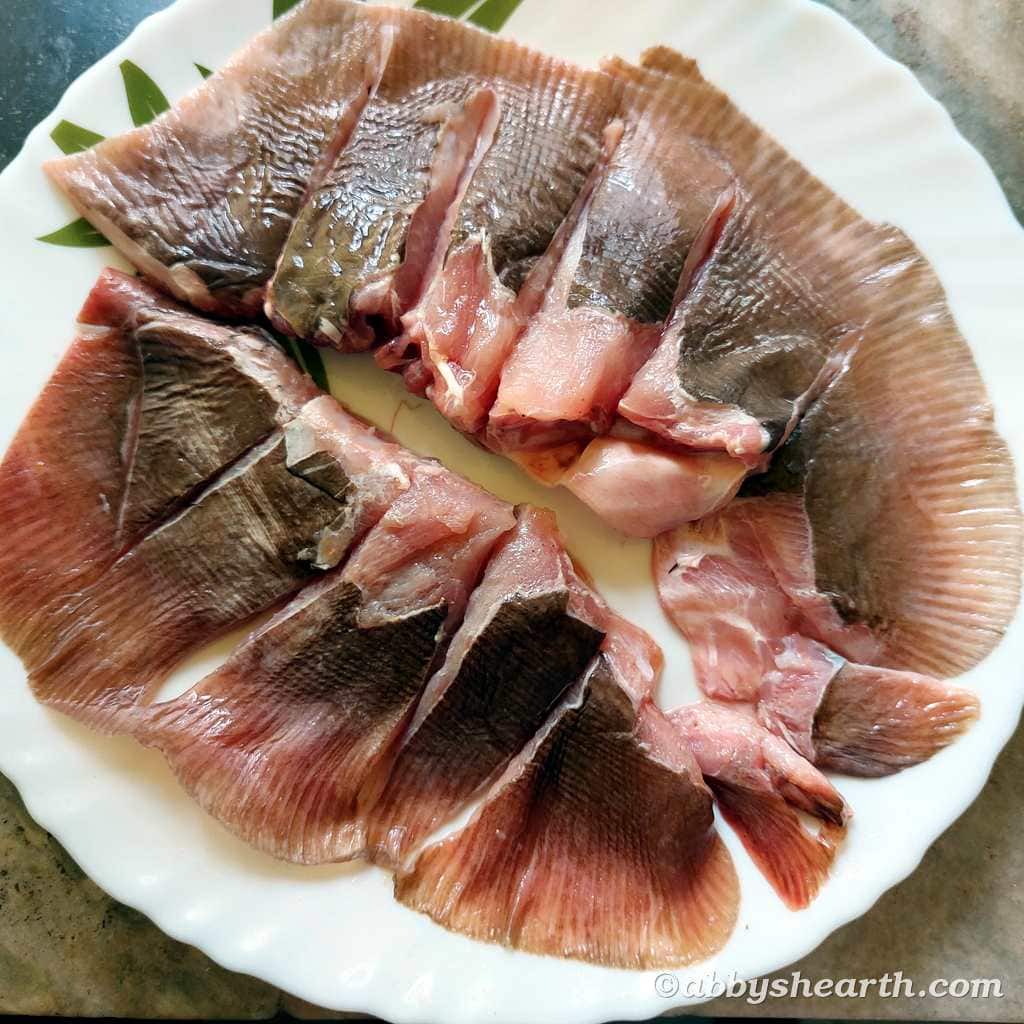
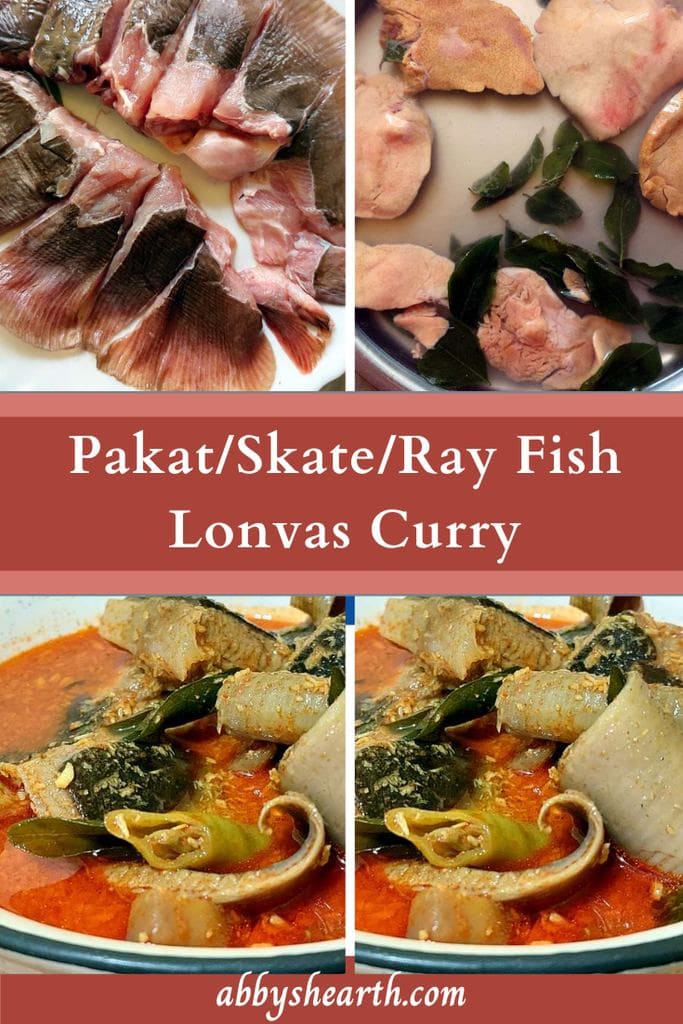
Clean and cut the ray fish
Start by cutting your pakat into manageable pieces, or get this done by the fisher-lady you buy it from. (Yes, we call them fisherladies here in Mumbai because most of the selling is done by women; although many men do it too.) Ray fish has no bones — only cartilage — so the pieces hold together well in the curry. Rinse each piece under cold water. If your fishmonger hasn’t already removed the skin, you can leave it on for this curry; it softens during cooking and adds body to the gravy. I like the taste of the skin more than the taste of the flesh.
Crush the garlic
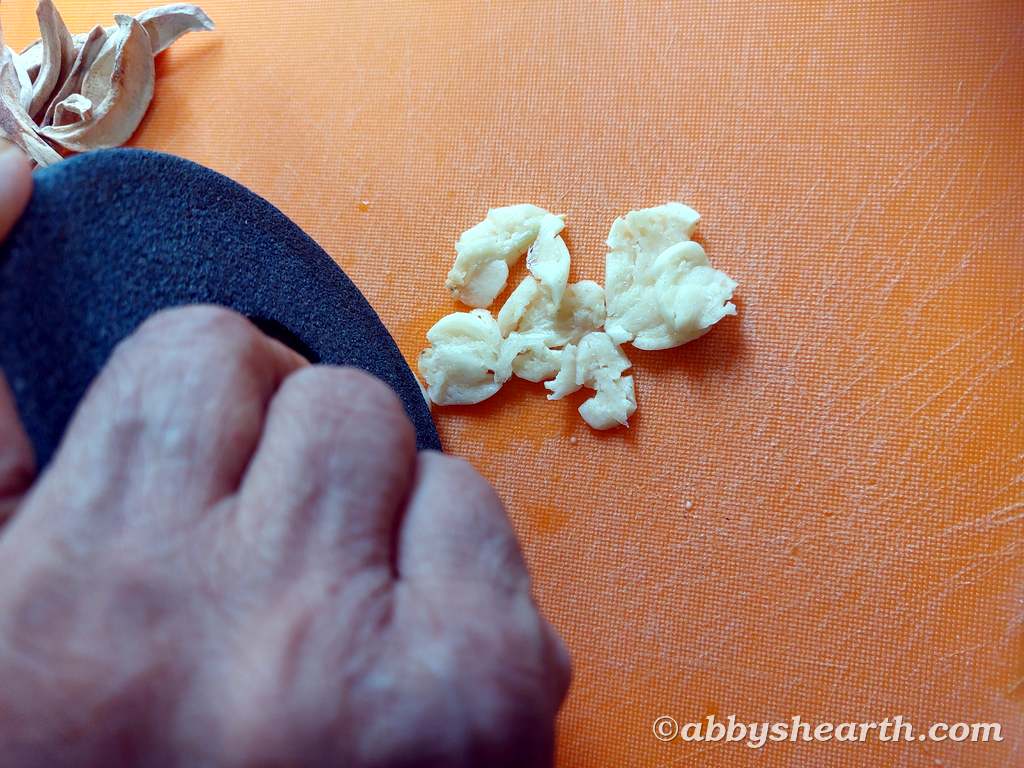
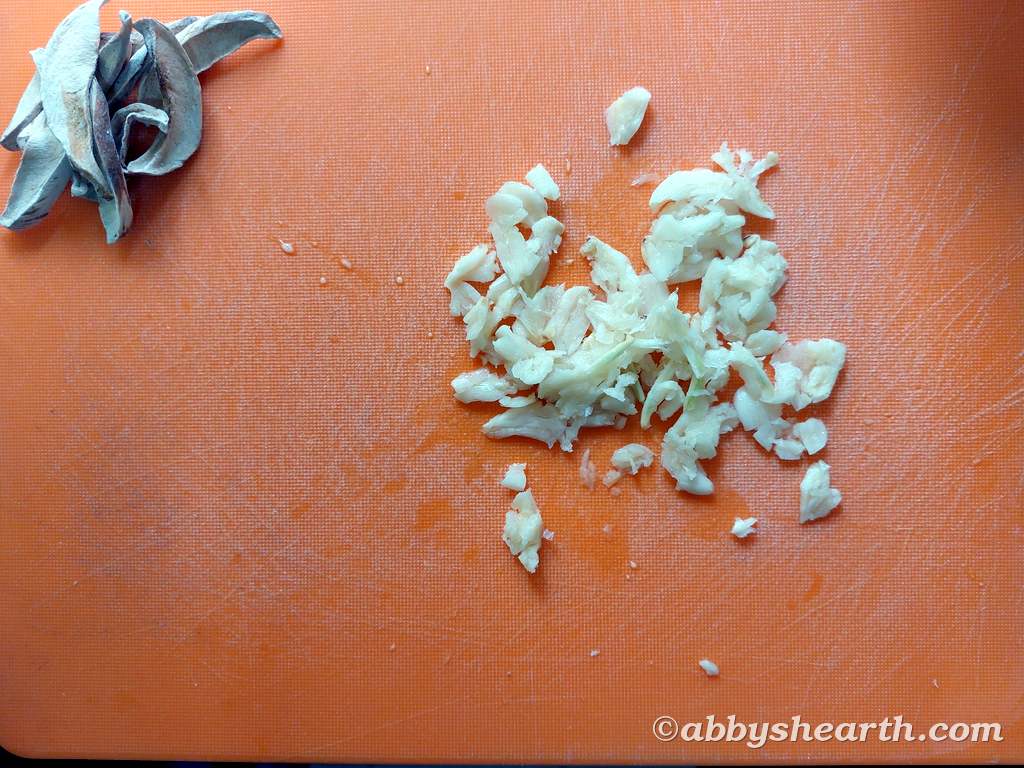
Crush the garlic using a heavy stone or a mortar and pestle – you want it roughly crushed, not minced. Crushed garlic releases more flavour slowly as it fries, which is what you want in a lonvas. Set it aside along with your amboshi (sundried mango) pieces.
Slit the green chillies
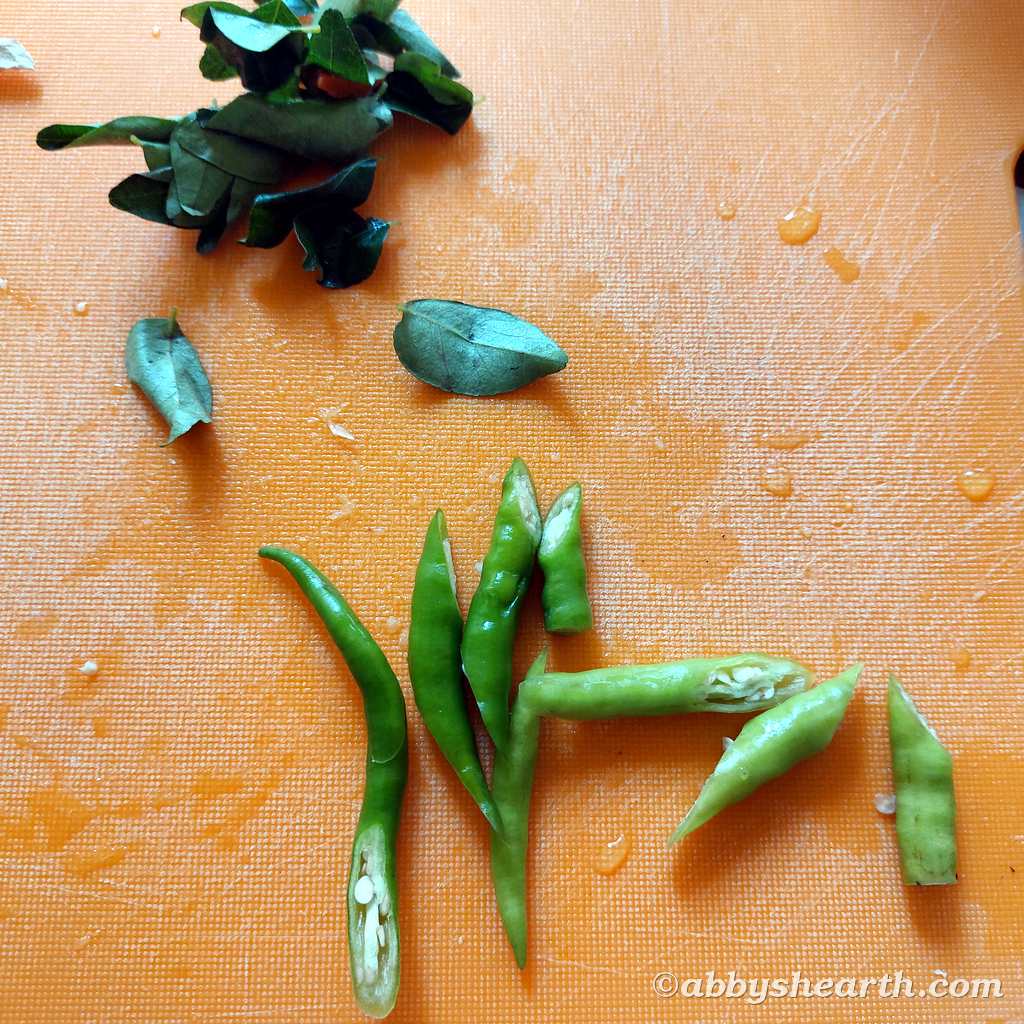
Slit the green chillies diagonally. This lets the heat infuse into the curry without the chillies breaking apart entirely. Diagonal cuts also look nicer in the finished dish. Wash and keep your curry leaves ready alongside.
Fry the garlic
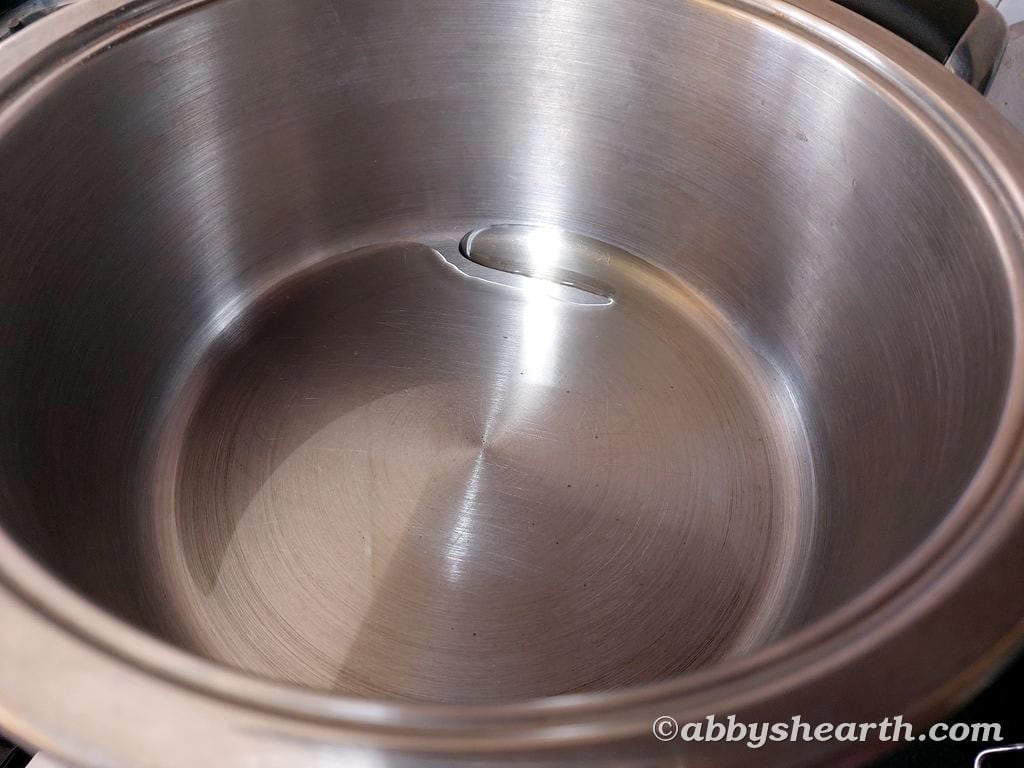
Heat oil in a deep, heavy-bottomed pot over medium flame. Add the crushed garlic and fry until it just starts to turn golden at the edges, but don’t let it brown fully or it will turn bitter. This takes about a minute. The smell at this point is extraordinary.
Add the masala, coconut and salt
Add your East Indian bottle masala, curry leaves, chillies, coconut, and salt directly into the pot with the fried garlic. This recipe is traditionally made with freshly ground coconut, but given our lack of time in modern days we used desiccated coconut or coconut milk. Stir everything together well and keep the flame on medium for a few minutes before adding in the water.
Add water and cook the gravy
Pour in enough water to make a loose, pourable curry gravy — a lonvas is meant to be on the thinner side, not thick. Stir, bring to a gentle boil, then let it cook for about five minutes so the masala fully blooms into the gravy. Taste and adjust salt at this stage.
Add the amboshi
Once the gravy has cooked through, add the amboshi (sundried mango) pieces. Amboshi is what gives a lonvas its characteristic gentle sourness by balancing the coconut and the heat of the bottle masala. Add about 300 ml more water now, and let it cook in the gravy on the high flame for a couple of minutes before adding the fish. If you don’t have 8 pieces of amboshi, use 4 kokum petals or a teaspoon of raw tamarind paste.
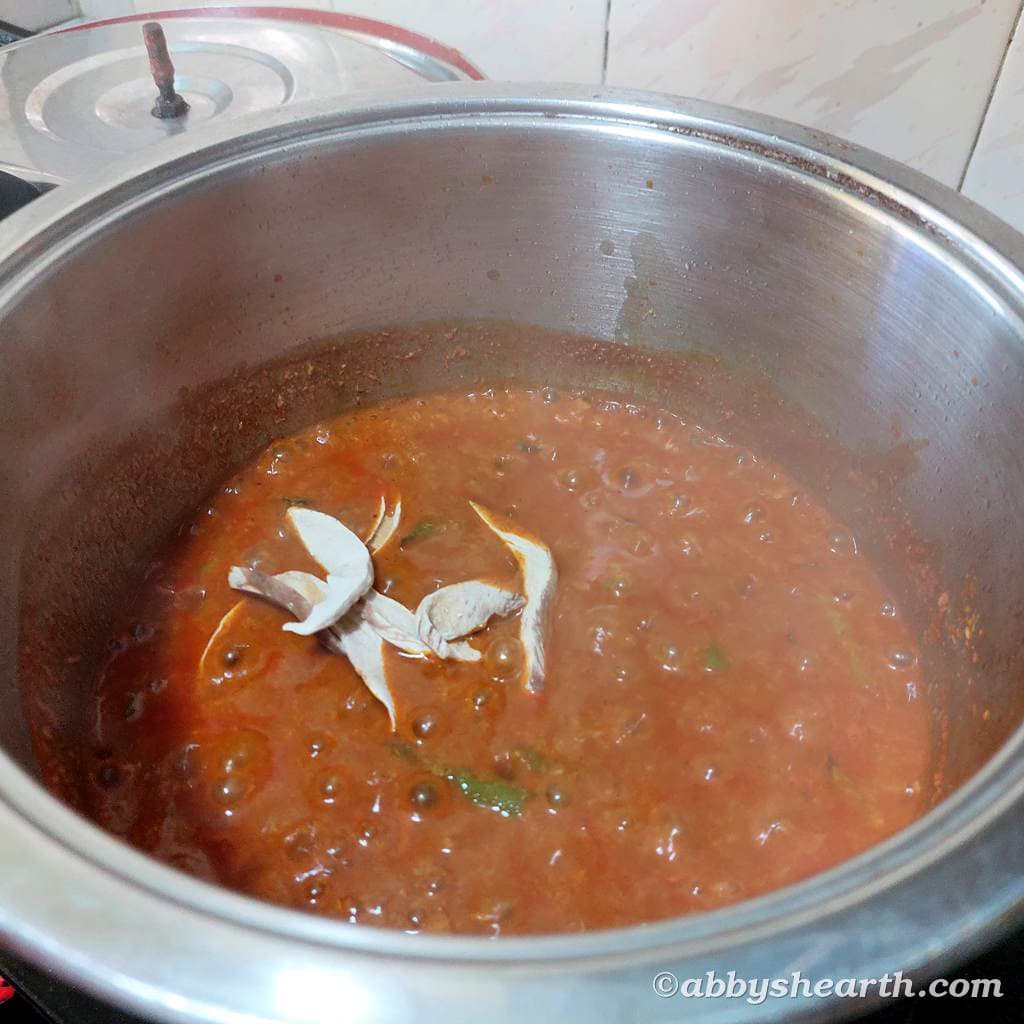
Before adding in the fish, decide if you want the curry a little thicker. If you do, you can mix rice flour and a little water. Add this to the curry and let it boil for a minute.
Add the pakat
Now, finally, slide in your pakat/skate pieces carefully. Stir gently to coat the fish in the gravy without breaking the pieces apart. Ray fish is soft and will flake if you stir too vigorously.
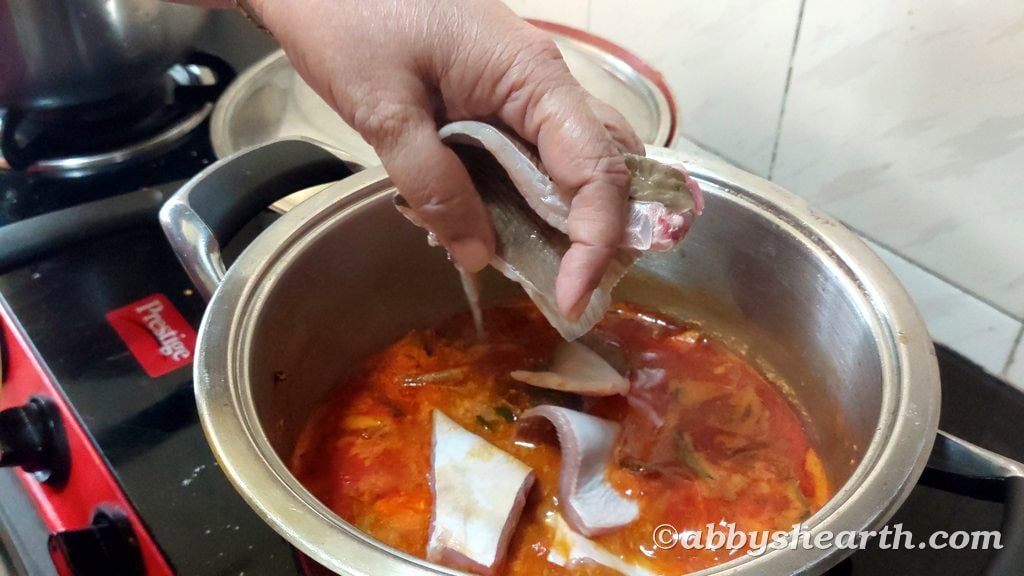
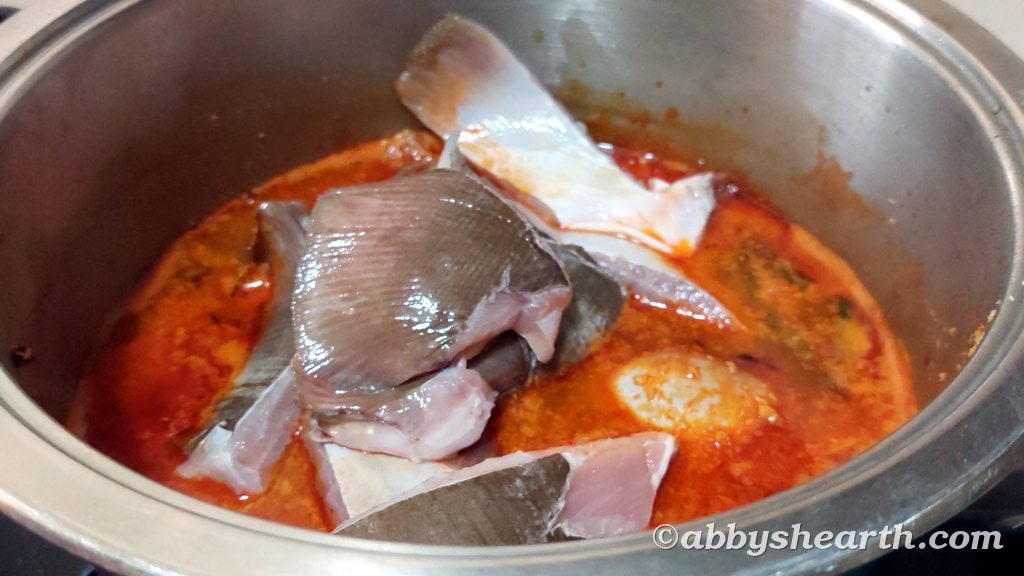
Cook for a few minutes
Depending on your stove, allow the curry to cook on high or medium-high for about three to five minutes. Ray fish cooks quickly — you’ll know it’s done when the flesh looks opaque and and the ends start to curl. Don’t overcook or it goes rubbery.
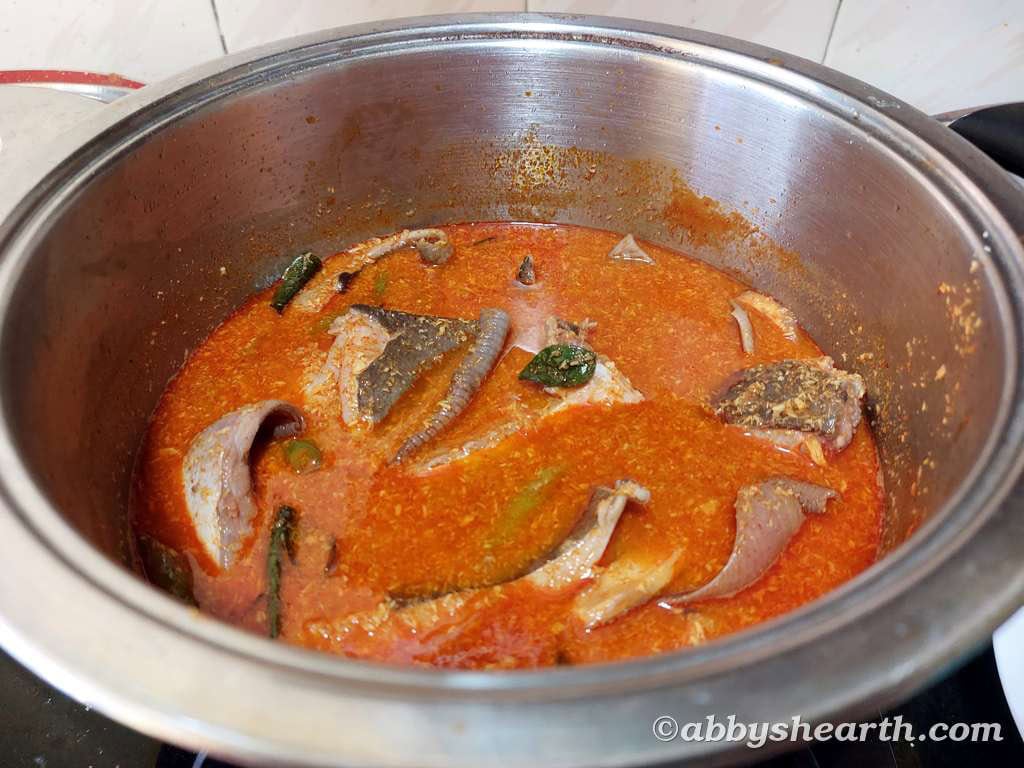
The ray fish liver — optional but worth it
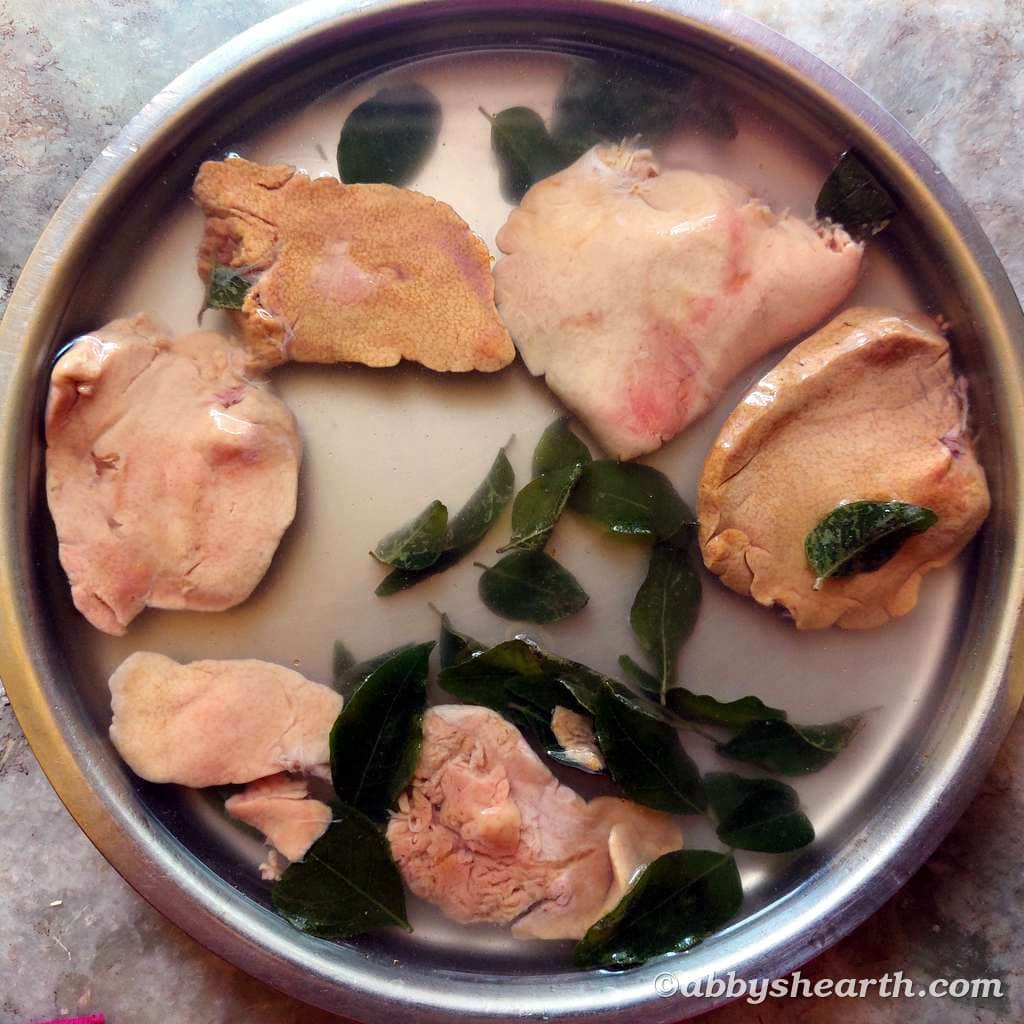
If your fishmonger has included the liver, and if you’re lucky enough to get it, add it in at this stage. My mother always adds it and it’s my favorite part of the pakat curry, or even while eating fried pakat. The liver is mild, rich, and completely delicious in the lonvas gravy. Cook it for a minute and it’s done.
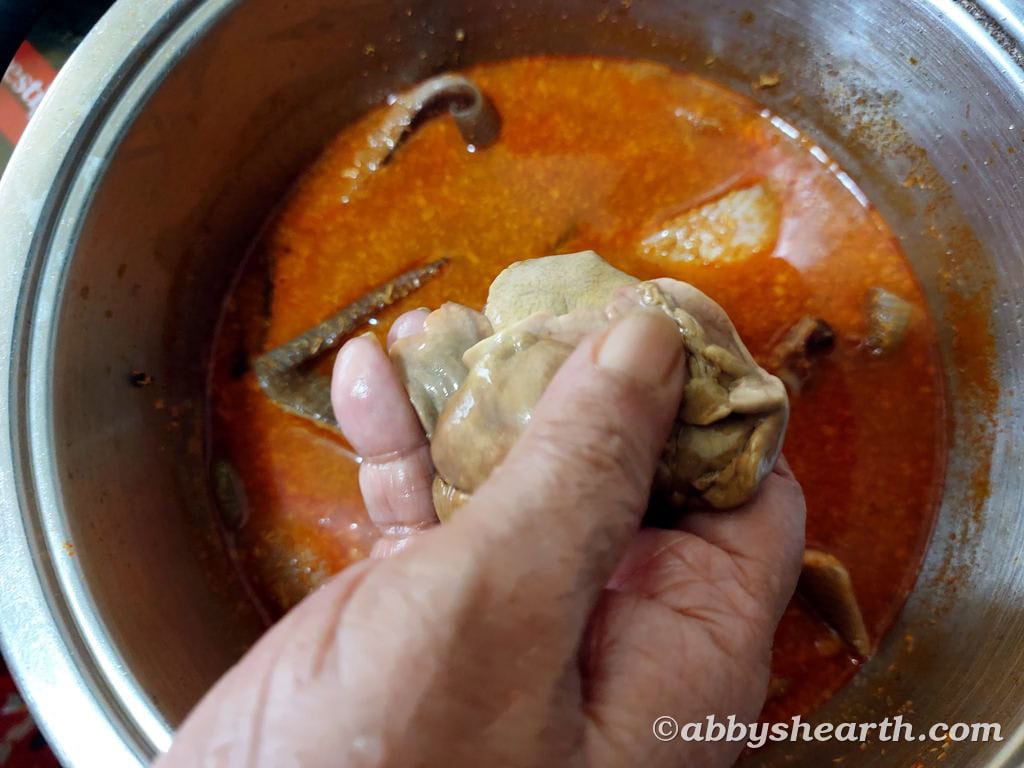
If you’re wondering what ray fish liver will taste like, it’s not pasty like chicken liver that we put in stuffing. It’s actually quite light and delicate like cod liver. And if you’re wondering just how much I like eating skate fish liver, here’s a pic from when mom bought extra liver just to add it to the curry for me. It’s one of my favorite offal items, along with roe, hearts and kiri.
Serve
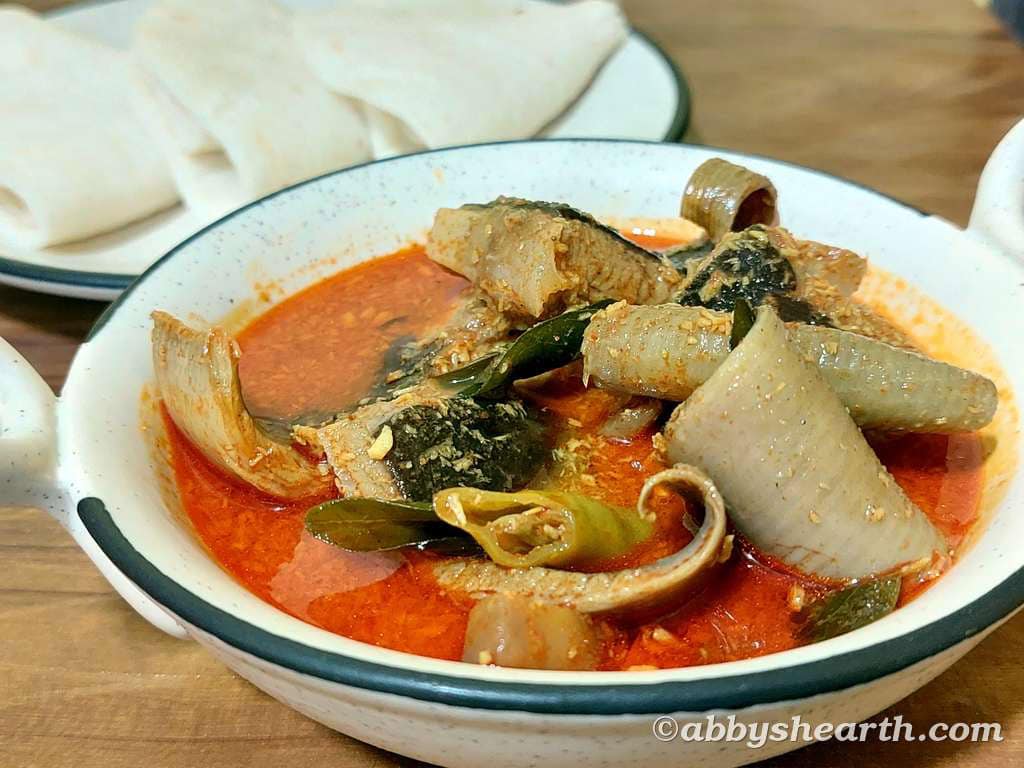
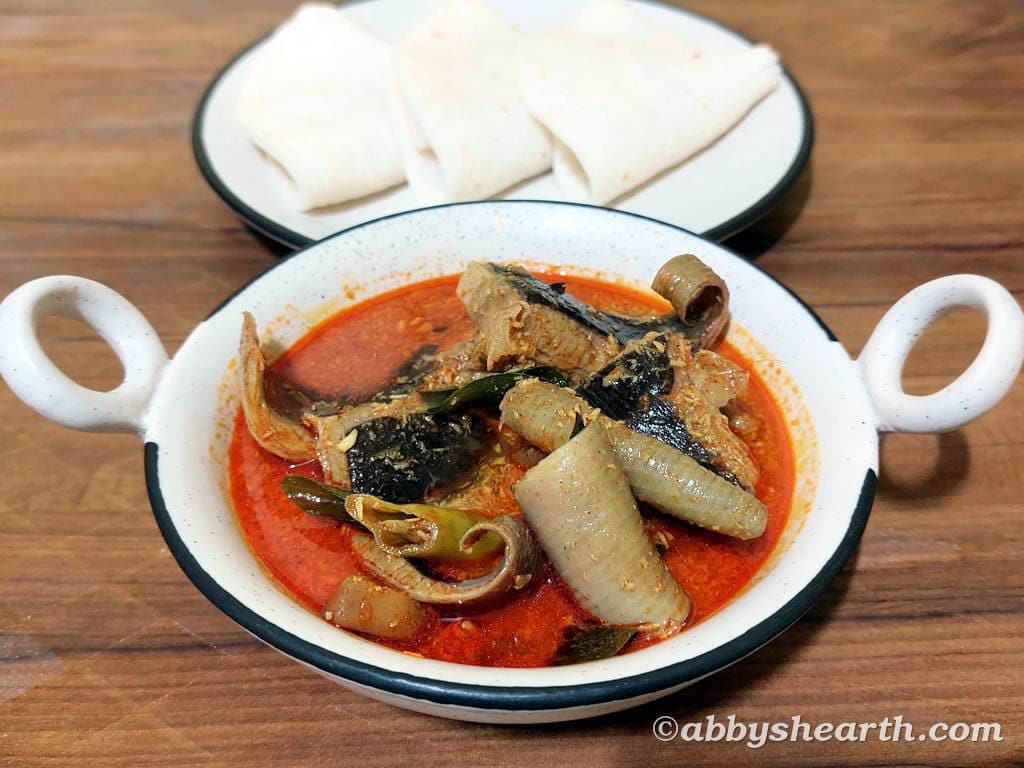
Pakat lonvas is best served immediately, hot from the pot, with apas (handbreads) or plain boiled rice. The cooling quality of this East Indian curry, from the coconut and the lonvas preparation method, makes it especially good in summer, which is when ray fish is most commonly available in Mumbai.
What to serve with pakat lonvas
We always eat it with plain rice or apas, the East Indian rice handbreads. The oh-so-soft apas and the thin curry gravy are made for each other. If you don’t have apas, plain boiled white rice works perfectly well. This is not a curry that needs anything elaborate alongside it; the lonvas is the thing.
Other Recipes You Might Like
- How To Fry Kingfish Indian-Style?
- Fried Nevties
- Bangda Chilli Fry – East-Indian Mackerel Stew
- Tasty Fried Baiki
- Easy Fried Mullets Recipe
Heya, I’m Abby! I’m a Gourmand Award-winning cookbook author and East Indian from Bombay, India. This blog is all about faith, food, and culture – from East Indian recipes to home, DIY, and spending time in the Word. Find out more about me here!