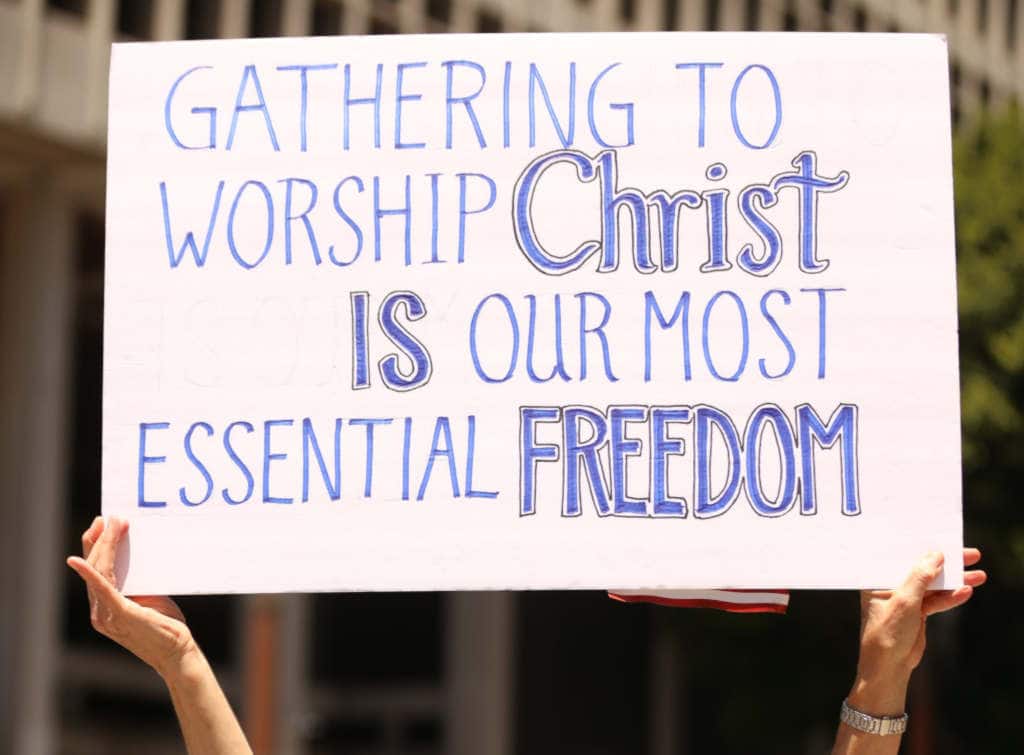
For many Christians in countries like the United States, Canada, Australia, or parts of Europe, faith is lived openly and publicly. Churches hold services openly, Bibles are readily available, and worship music fills concert halls and stadiums.
But for millions of Christians around the world, following Jesus still comes with a very real cost. In parts of Africa, the Middle East, Asia, and even regions of India, Christians continue to face discrimination, imprisonment, violence, social exclusion, church demolitions, forced displacement, and in some cases, death for their faith. Organizations such as Open Doors and International Christian Concern exist because these stories are often underreported, misunderstood, or ignored entirely.
These Christian advocacy and humanitarian organizations do far more than publish headlines. They provide emergency aid, legal advocacy, trauma support, Bibles, shelter, training, and a voice for communities that frequently have none.
According to Open Doors’ World Watch List, more than 388 million Christians worldwide experience high levels of persecution and discrimination because of their faith. According to its World Watch List 2026 report, Open Doors recorded 4,849 Christians killed for their faith, 3,632 attacks on churches and public Christian properties, and more than 224,000 Christians forced to leave their homes, hide within their country, or leave the country during the reporting period. And these are not the final numbers. How much higher will they be by Christmas or New Year?
What These Organizations Actually Do
One of the biggest misconceptions about Christian advocacy groups is that they only ask for donations or prayer support. In reality, many operate similarly to humanitarian and human rights organizations — often in places where international media presence is limited.
1. Emergency Relief and Humanitarian Aid
When churches are attacked or Christian families are displaced by violence, advocacy groups frequently step in with immediate support.
Open Doors, The Voice of the Martyrs, and similar organizations provide food and emergency supplies, shelter assistance, medical care, trauma counseling, financial help for widows and displaced families, as well as rebuilding support for destroyed homes and churches.
In 2024 alone, Open Doors helped more than 535,000 persecuted Christians through emergency relief, medical care, education, and community development programs.
2. Bible Distribution and Christian Resources
In many countries, owning Christian literature can be dangerous or heavily restricted. Yet some organizations focus on distributing Bibles in minority languages, discipleship material, children’s Christian resources, digital Christian content, and theological training material.
Open Doors reports distributing more than 2.5 million Bibles and books in the last year, along with other Christian resources, often through underground church networks. It also trained 5.7 million persecuted Christians through leadership and discipleship courses, trauma-care programs, and persecution-survival seminars.
3. Advocacy and Human Rights Work
Advocacy is one of the least visible — but most important — parts of this work. Groups such as Christian Solidarity Worldwide and Open Doors regularly engage with governments, parliamentarians, the United Nations, legal systems, and human rights bodies. Their goal is to pressure authorities to address religious freedom violations, release prisoners, and investigate attacks. They fight for the ones the world forgets.
4. Awareness and Documentation
Many persecution cases would likely never reach international attention without these organizations documenting them.
Groups like the ICC and Open Doors publish incident reports, persecution databases, country watch lists, eyewitness testimonies, investigative reports, and interviews with survivors — creating a record that can bring these cases to the attention of governments, policymakers, and international bodies. Yes, the work is dangerous. But for many who serve the persecuted Church, the call to stand with their brothers and sisters in Christ is stronger than the fear that would make them turn away.
5. Prayer Networks and Community Support
The Voice of the Martyrs operates prayer initiatives, newsletters, and community programs connecting Christians around the world with persecuted believers.
For many families living under constant pressure or fear, simply knowing somebody outside their village or city or country is paying attention can matter deeply. Standing in prayer with our brothers and sisters in different countries may be one of the simplest things we do, but it is also one that will help shift atmospheres and give people strength.
Sidenote: If you want to grow your own prayer life and learn how to intercede with purpose, Interceding Through the End Times at School of the Spirit is one of the most practical courses for this kind of focused prayer.
Why This Work Matters
It is easy to assume religious persecution belongs to the history books — ancient Rome, communist crackdowns, medieval conflicts. But persecution still exists in modern forms: extremist violence, forced conversions, restrictions on religious expression, discriminatory laws and policies, mob attacks, employment discrimination, surveillance, imprisonment, social exclusion, and the destruction of churches and religious property.
While Christians are not the only religious group facing persecution globally, Christian advocacy organizations exist because many communities specifically need support systems built around their faith, language, churches, and local realities. These organizations help ensure that persecuted communities are neither invisible nor forgotten.
How You Can Get Involved
Not everybody can travel internationally or work in humanitarian aid, but there are still practical ways to support persecuted communities.
Donate Responsibly
Before donating to any organization, it’s worth reviewing their financial accountability page and annual reports to understand how funds are used. Some widely known organizations include:
- Open Doors
- International Christian Concern
- The Voice of the Martyrs
- Christian Solidarity Worldwide
- Barnabas Aid
- Aid to the Church in Need
Volunteer Your Skills
Many advocacy groups need writers, translators, researchers, graphic designers, event volunteers, prayer coordinators, social media managers, and fundraising support. You do not always need field experience to contribute meaningfully.
Raise Awareness
One of the simplest ways to help is by paying attention and sharing credible information. Read the persecution reports, even when the stories are difficult to take in, share the verified stories, organize church awareness events, support refugee ministries, and invite speakers to your local community. You can also do more by writing to elected officials about religious freedom issues. One letter may make a difference.
Pray and Intercede
Whether these issues are viewed politically, spiritually, or humanitarily, the underlying principle remains: people should not face violence, imprisonment, or discrimination because of what they believe. And for believers, prayer is central to this work. Many of these organizations publish weekly prayer requests and updates directly from affected communities. Take part. Storm heaven. It will make a difference.
Final Thoughts
Christian advocacy organizations operate in some of the world’s most difficult environments — conflict zones, authoritarian states, and regions where religious minorities are especially vulnerable. Their work sits at the intersection of faith, humanitarian relief, journalism, and human rights advocacy.
Not every organization works the same way. Some focus more on aid. Others focus on policy, documentation, or underground church support. But together, they form a global network ensuring that persecuted communities are neither invisible nor forgotten.
And in a world overflowing with noise, sometimes one of the most meaningful things we can do is simply refuse to look away.
Other Related Posts
- Christians raised a hue and cry over a statue in one country, but what about the Christians dying in other countries?
- You can’t fight God, can you?
- Bible 18 Quiz – People Challenge
- Women of God to be like
- Acts Bible Jokes

Heya, I’m Abby! I’m a Gourmand Award-winning cookbook author and East Indian from Bombay, India. This blog is all about faith, food, and culture – from East Indian recipes to home, DIY, and spending time in the Word. Find out more about me here!