Khujit is usually a pomfret, surmai (kingfish), ghol (gold fish) or vaw (eel) dish in our East Indian kitchen. But, a few years back, mom started making it with hilsa instead, and it’s become one of those “why didn’t we try this sooner” recipes.
Really tasty! Let’s call this East Indian fusion. If you’ve never come across this fish before, it goes by a few names depending on where you are — hilsa, ilish, or palla — but it’s the same fish, and it takes to this green masala beautifully. Also, if it helps jog your memory, palla or hilsa is the same fish that we wait for from May to July to get gaboli from. Gaboli roe is the Indian version of caviar that costs an arm and a leg, but is totally worth it. We either fry the gaboli or make a tangy gaboli vindaloo with it, and sometimes also store it for the future. Nose to tail eating at it’s best!
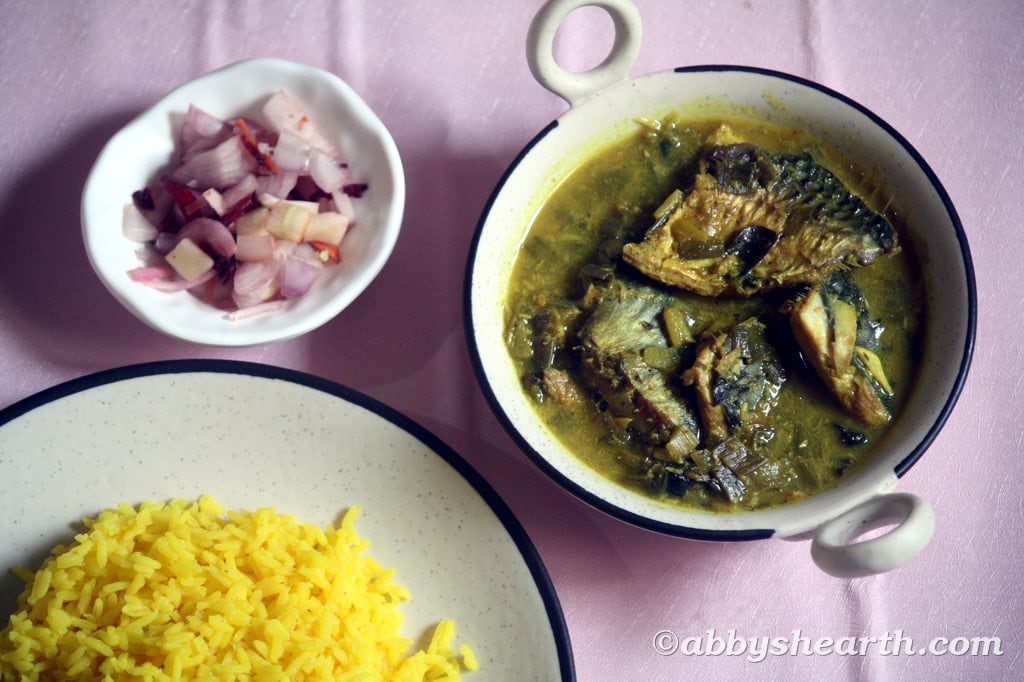
How to Make Palla Khujit Curry
Prep Steps
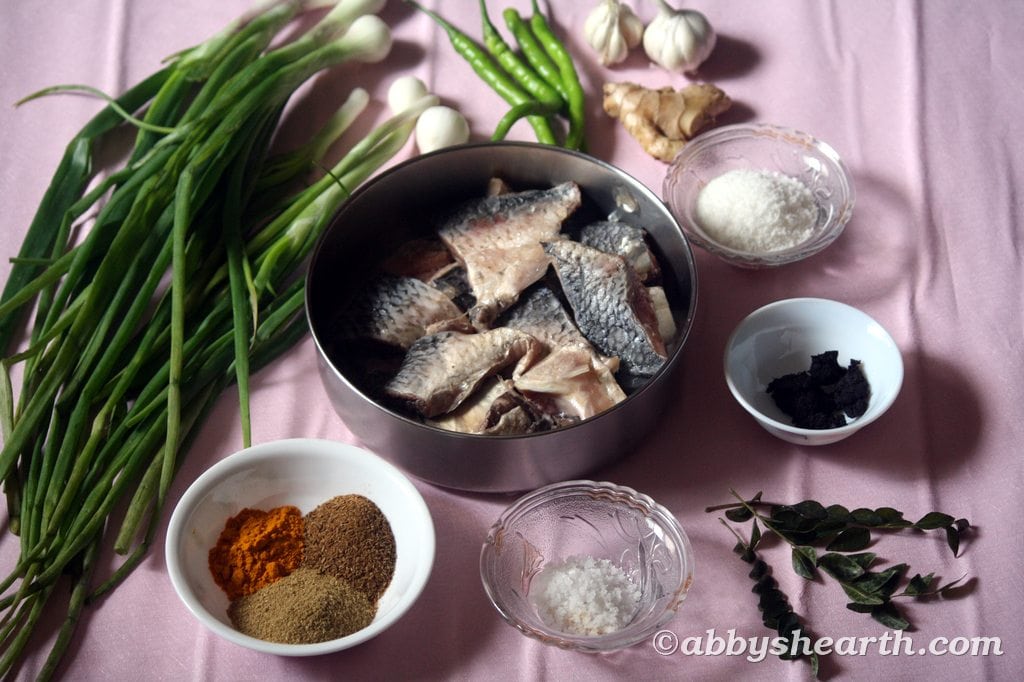
Nothing exotic here — just a few fresh aromatics, a good masala base, and the fish itself.
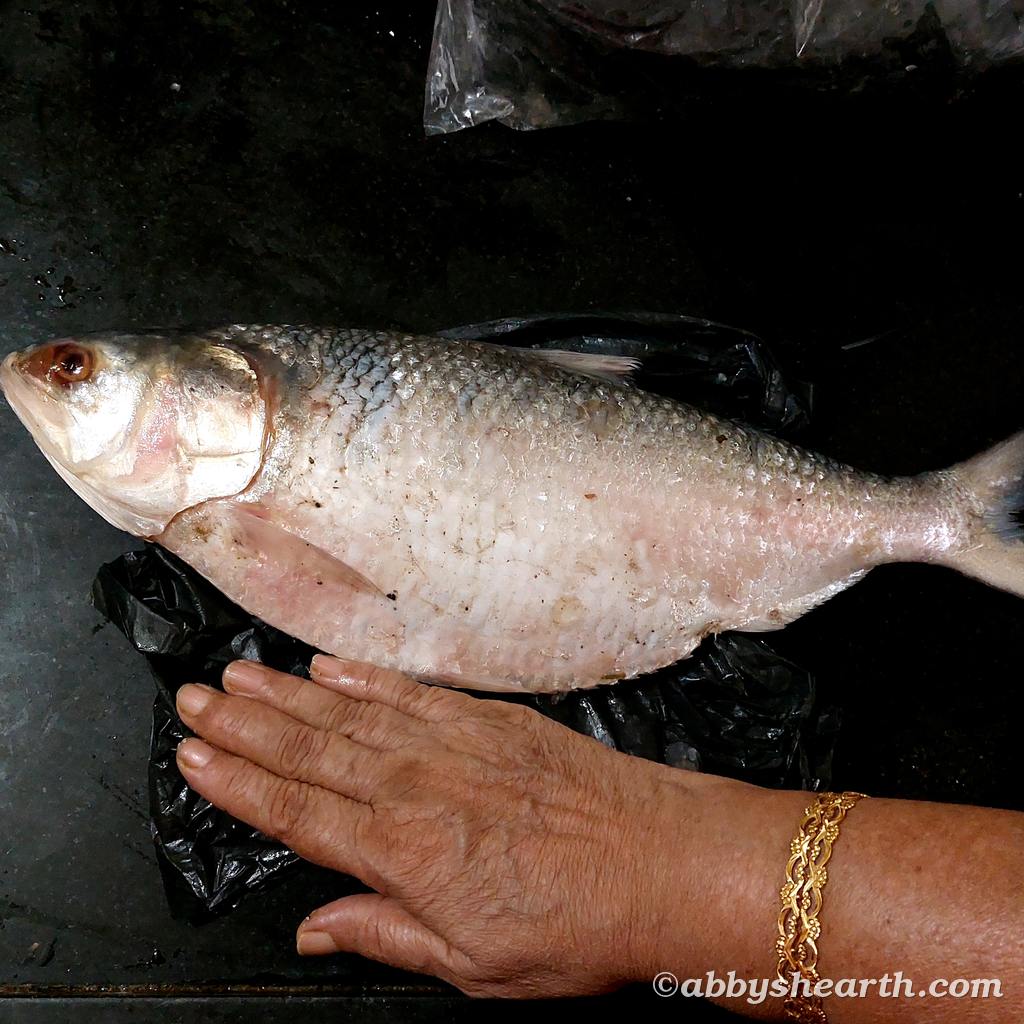
This one gave mom’s hand a run for its money. Palla (hilsa) can get properly big, so don’t be surprised if yours needs a bit of extra board space. Because remember, the bigger the palla, the bigger the roe for frying.
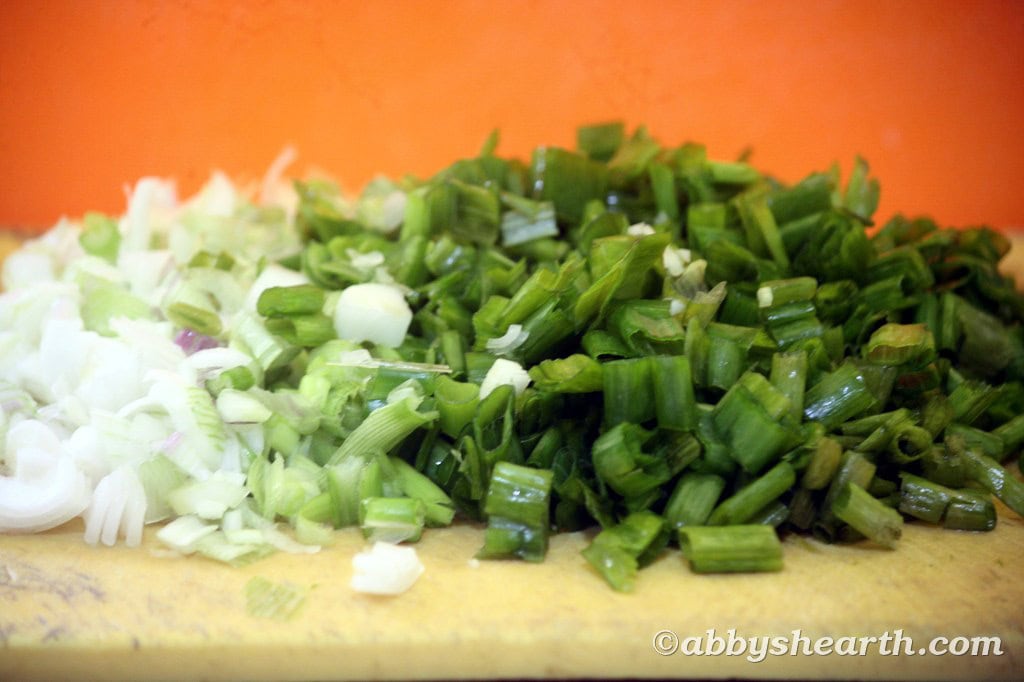
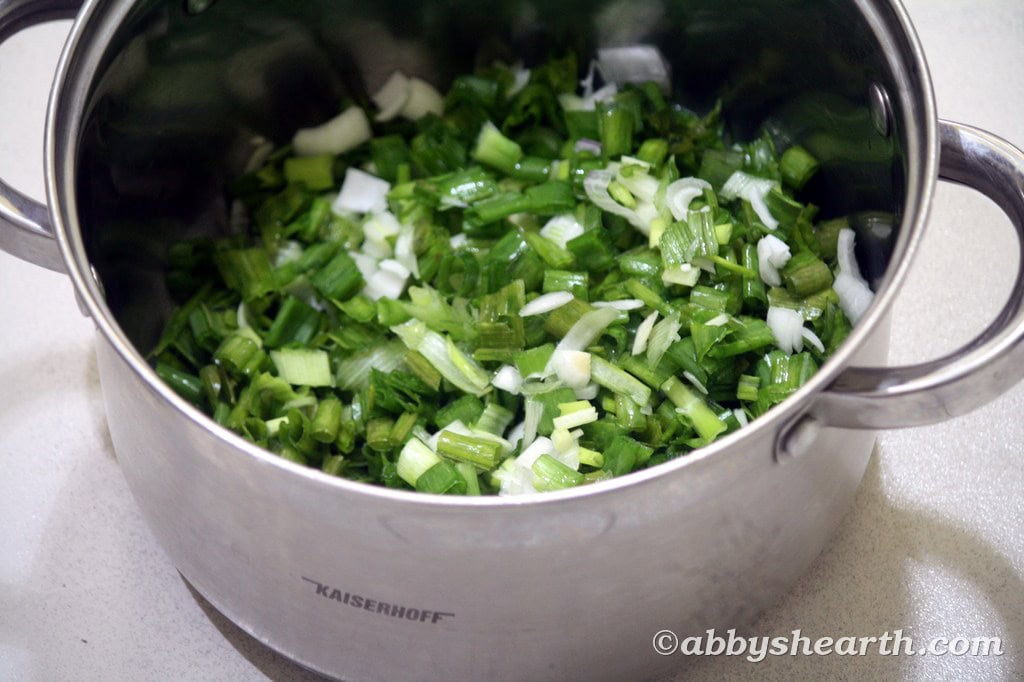
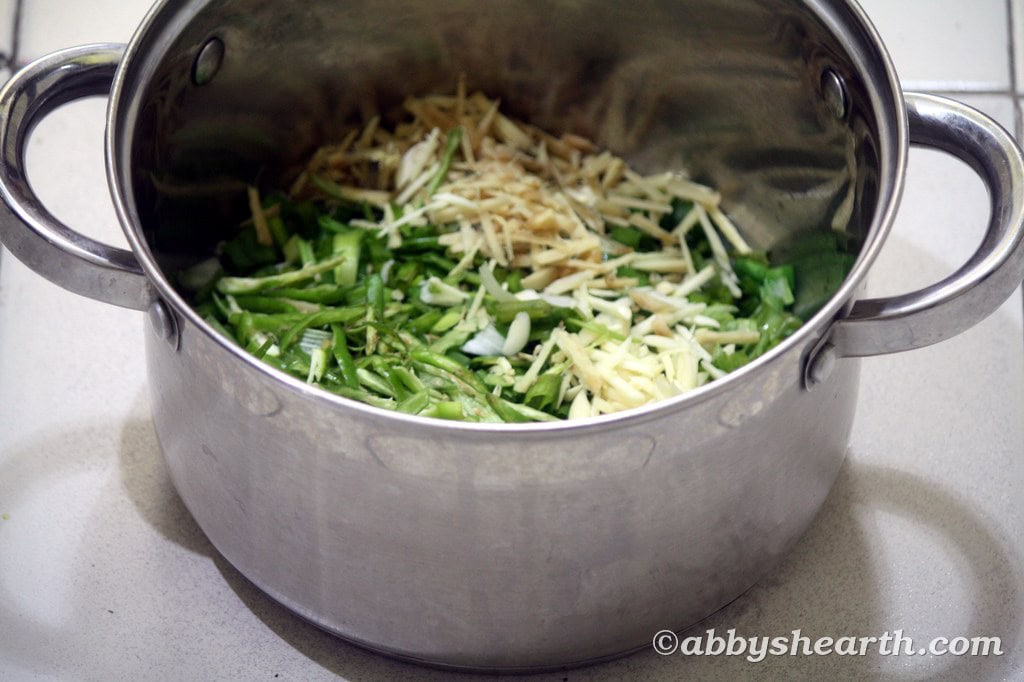
Start by cutting the spring onions along with the greens into half-centimetre pieces.
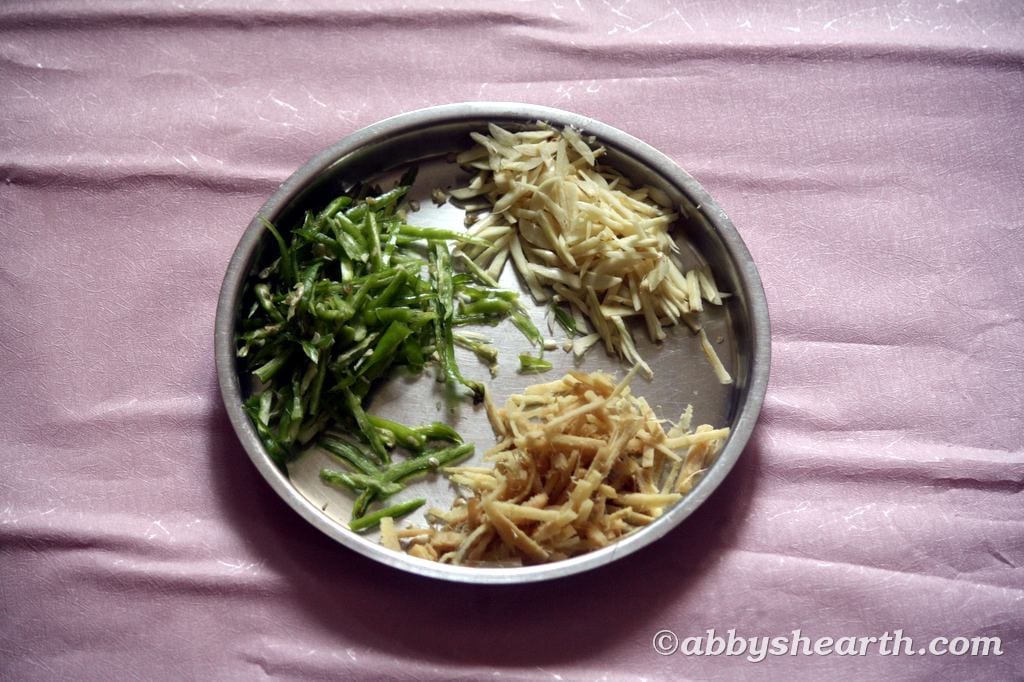
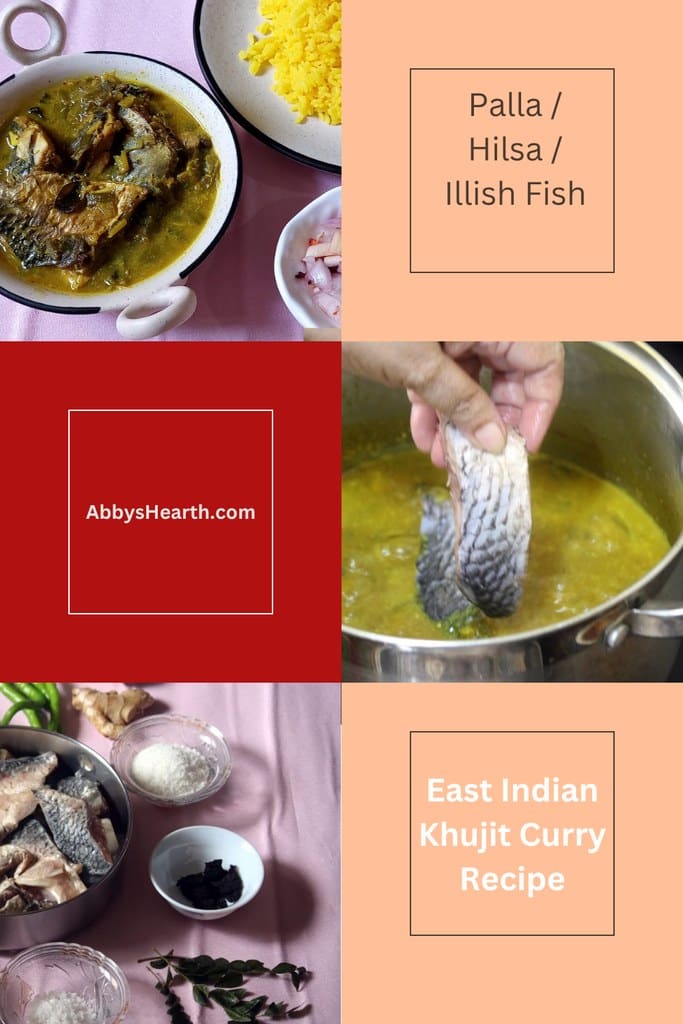
Then slice the ginger, garlic, and green chillies into fine slivers. Similar to the ground fresh masala in our vaw (eel) khujit, we keep everything in slivers, which gives the curry a good different bite and texture.
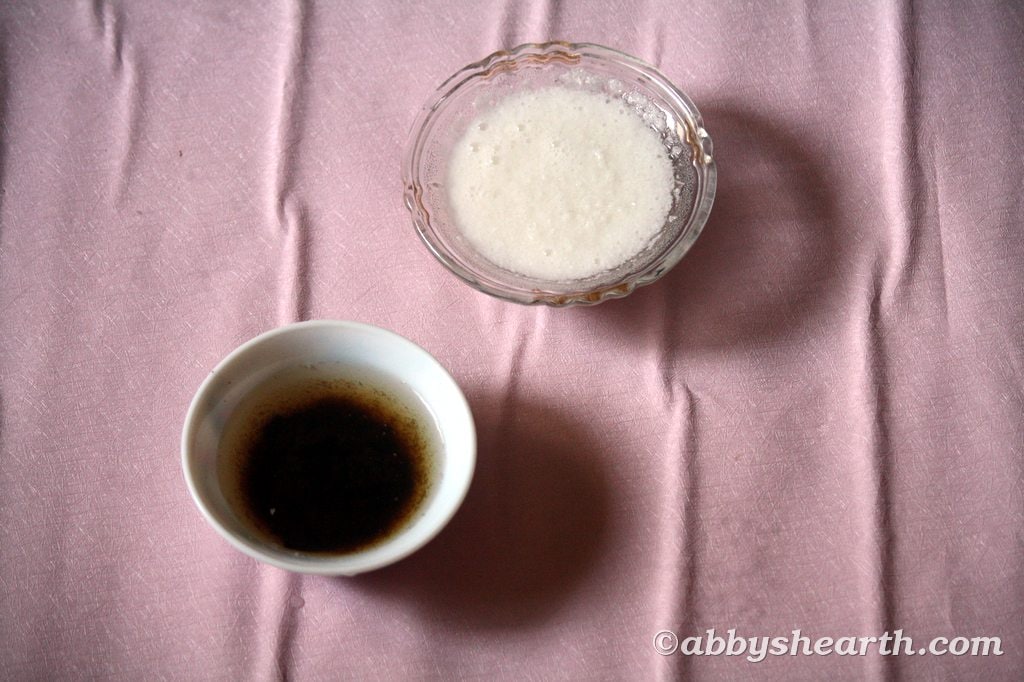
After that’s done, soak the tamarind pulp and desiccated coconut separately in a little water — both need a few minutes to soften before they go into the pot. No tamarind pulp on hand? A tablespoon of vinegar works just as well.
Add in the Fresh Ingredients and Dry Ingredients
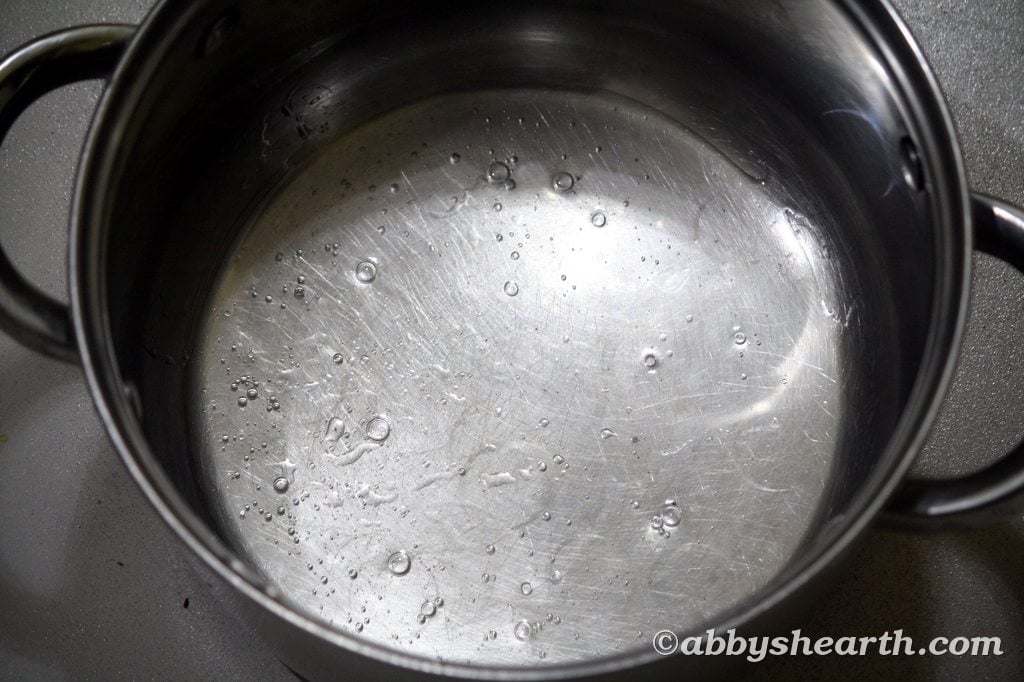
Heat the oil in a large pot. The spring onion goes in first. Followed by the ginger, garlic, and chilli slivers. Let it all cook together for a couple of minutes, just until it softens and turns fragrant.
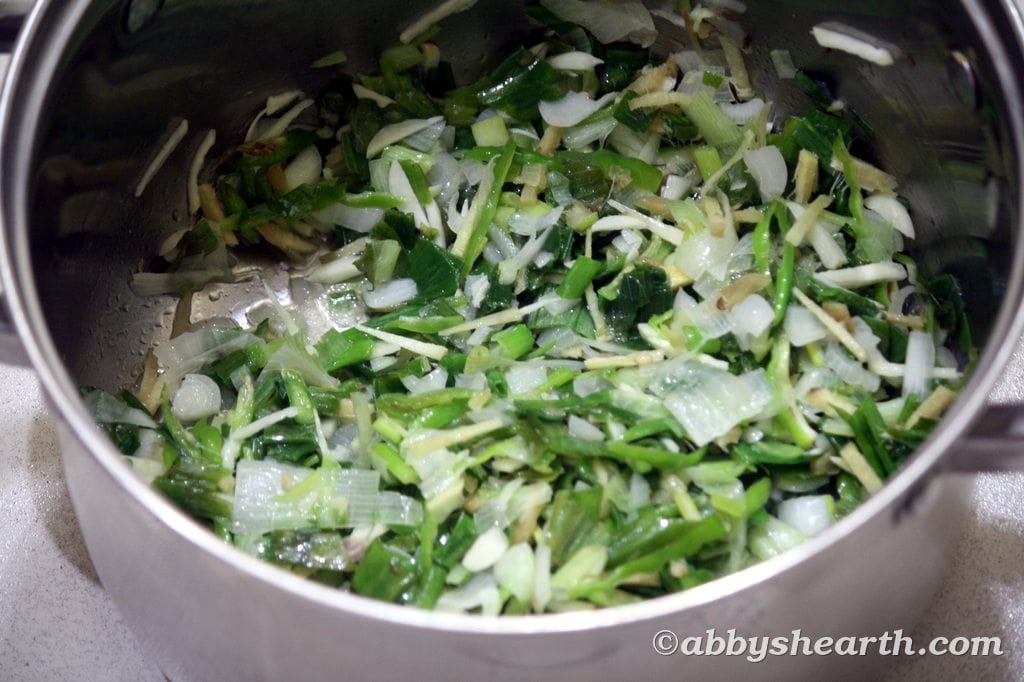
Next, add in the cumin, coriander, and turmeric powder and sitr. If you’d prefer a shortcut: two and a half tablespoons of East Indian khujit masala does the job of all three, if you’ve got a stash of it on hand. Cook it through with the dry spices for another minute or two. Then add the water and stir well.
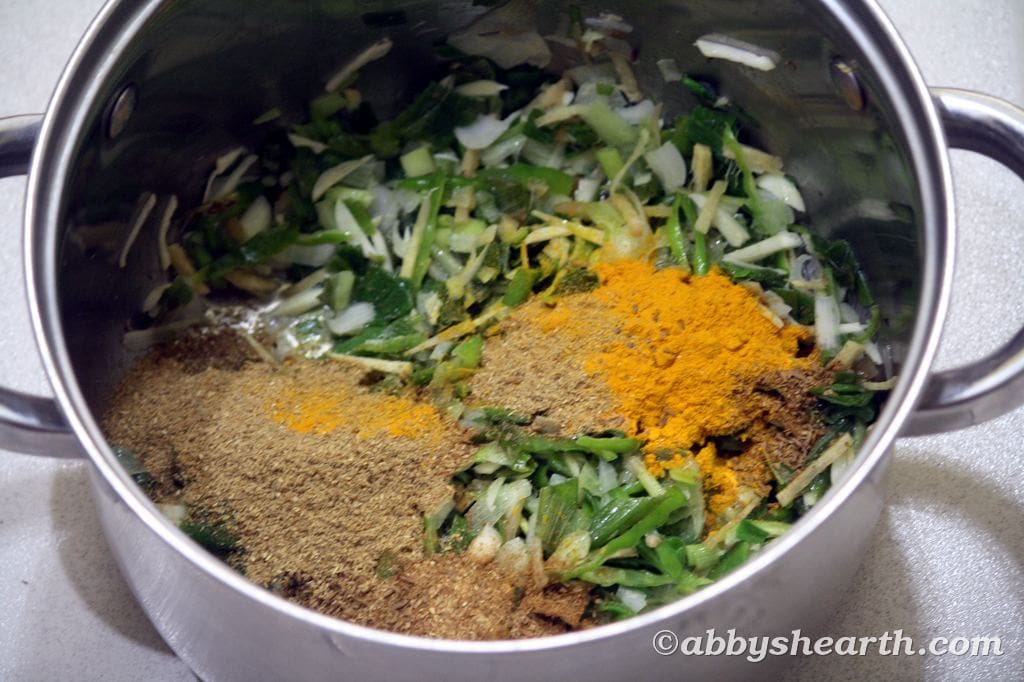
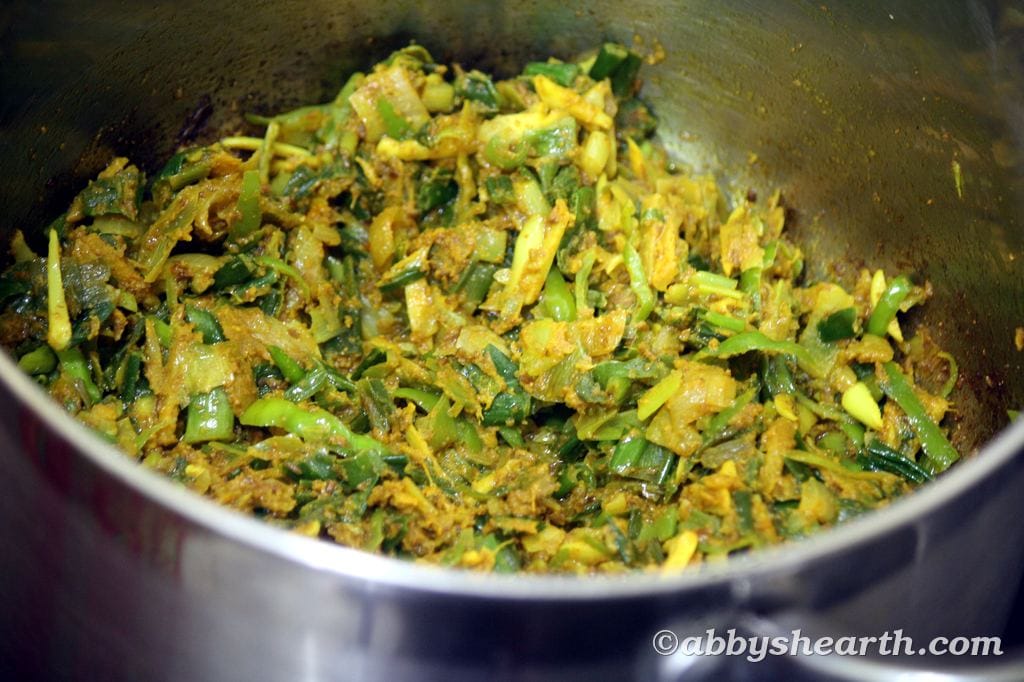
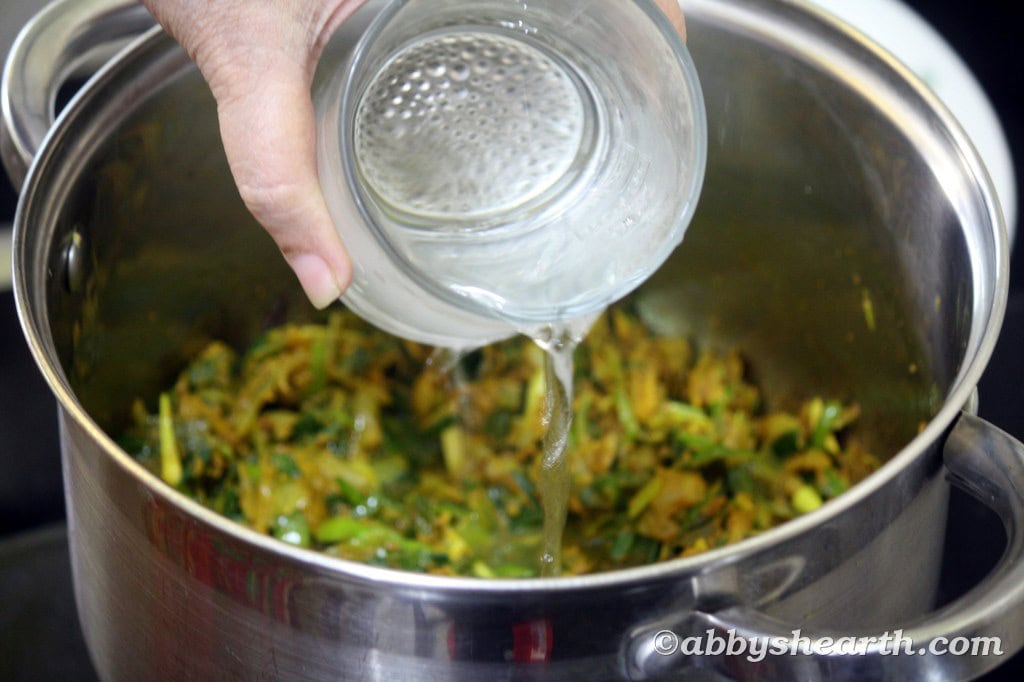
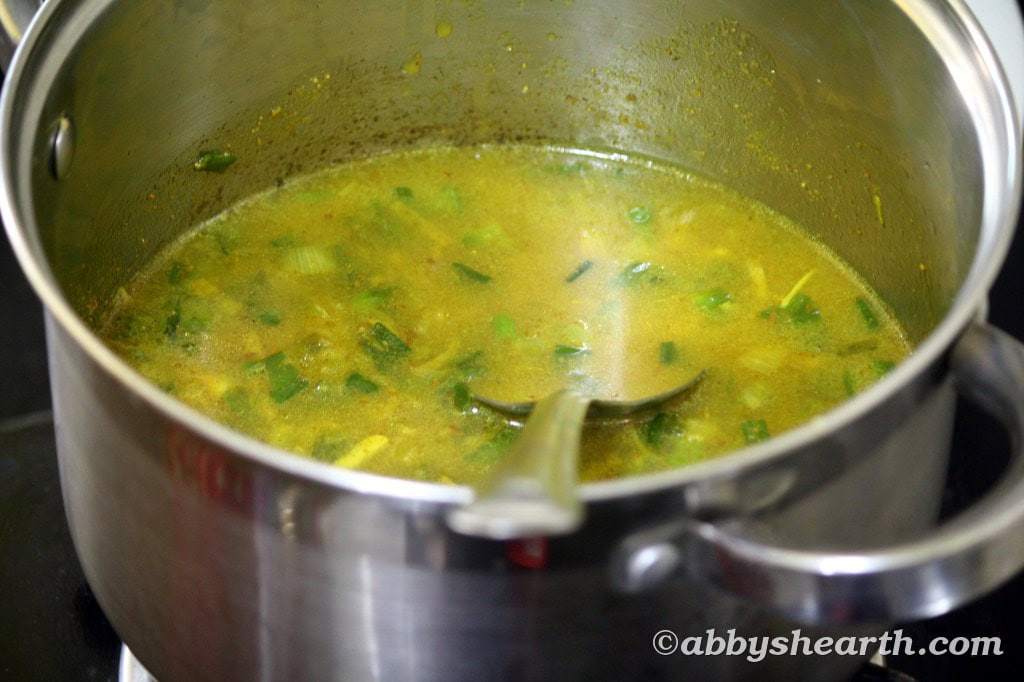
Once the water has mixed properly, in goes the tamarind pulp (or your vinegar substitute, if that’s what you want to use). The soaked coconut goes in right after. Once you give it a stir, you’ll start to see the desiccated coconut rising to the top.
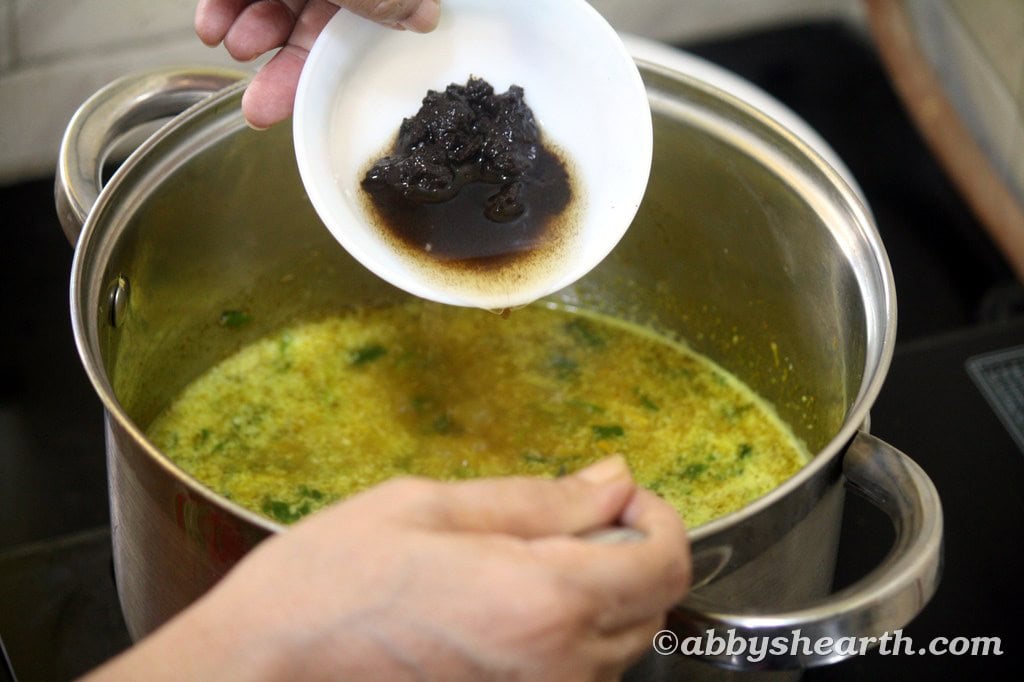
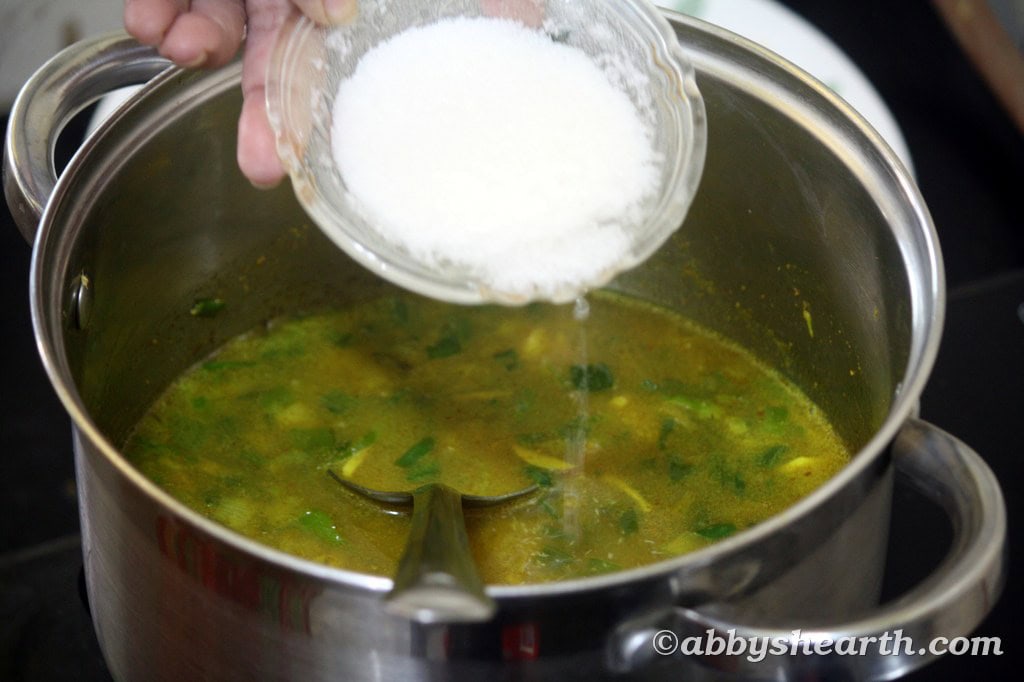
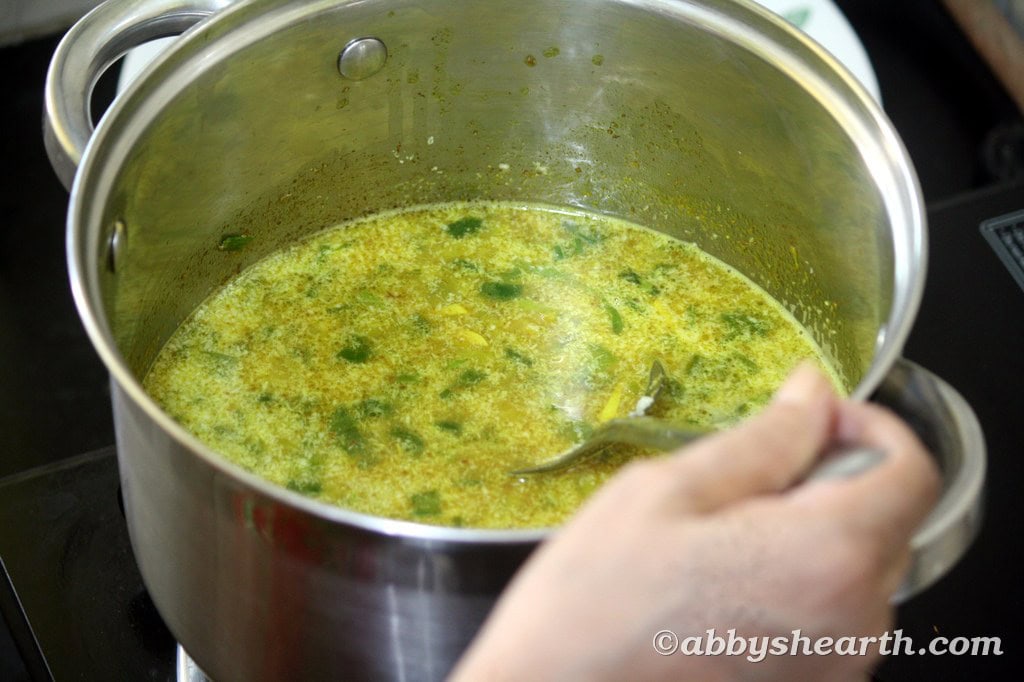
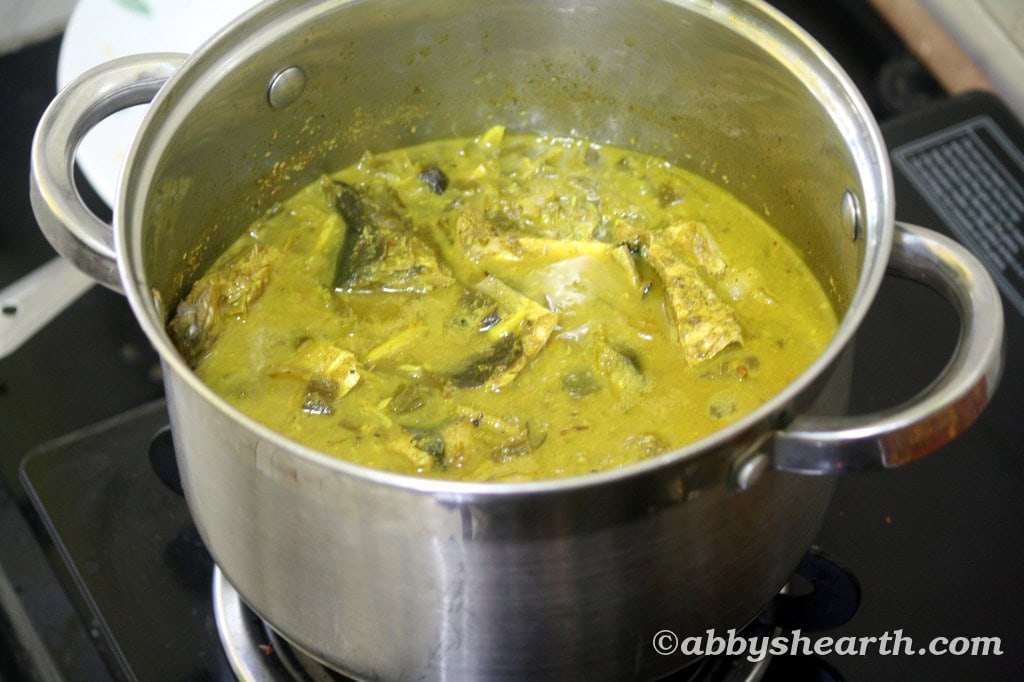
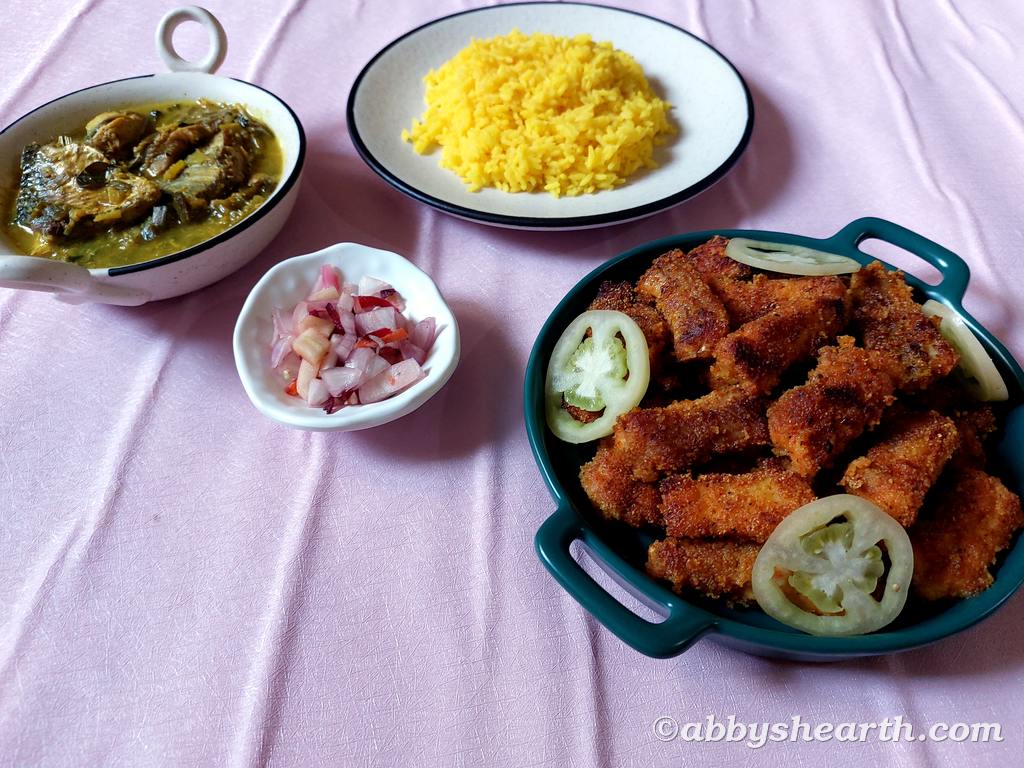
And finally, add the curry leaves and salt, give it a stir again and let the curry come to a boil. Yes, yes, we stir quite a lot. Gotta work those arm muscles. If you think this is too much to do, try our easier fried hilsa recipe that you can serve with dal and kachumber salad.
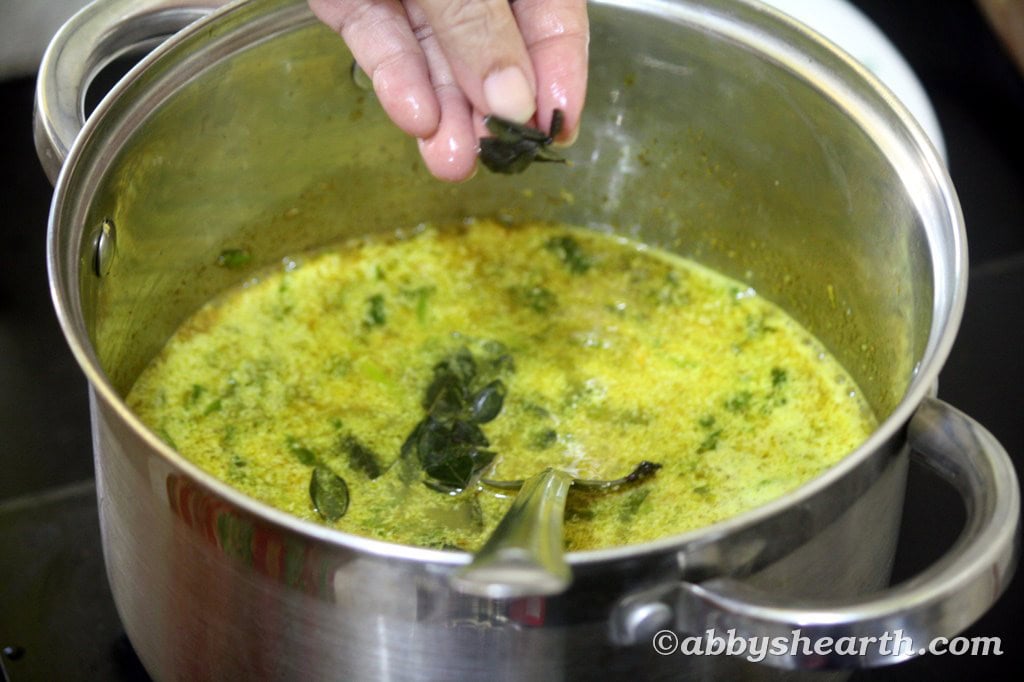
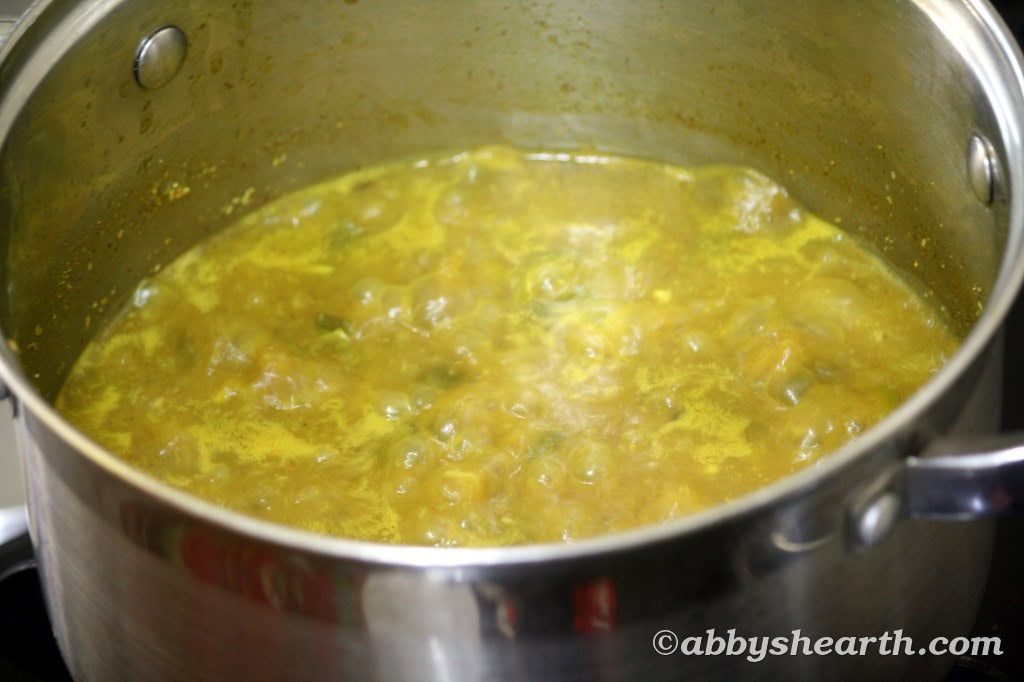
Finally, Add in the Fish
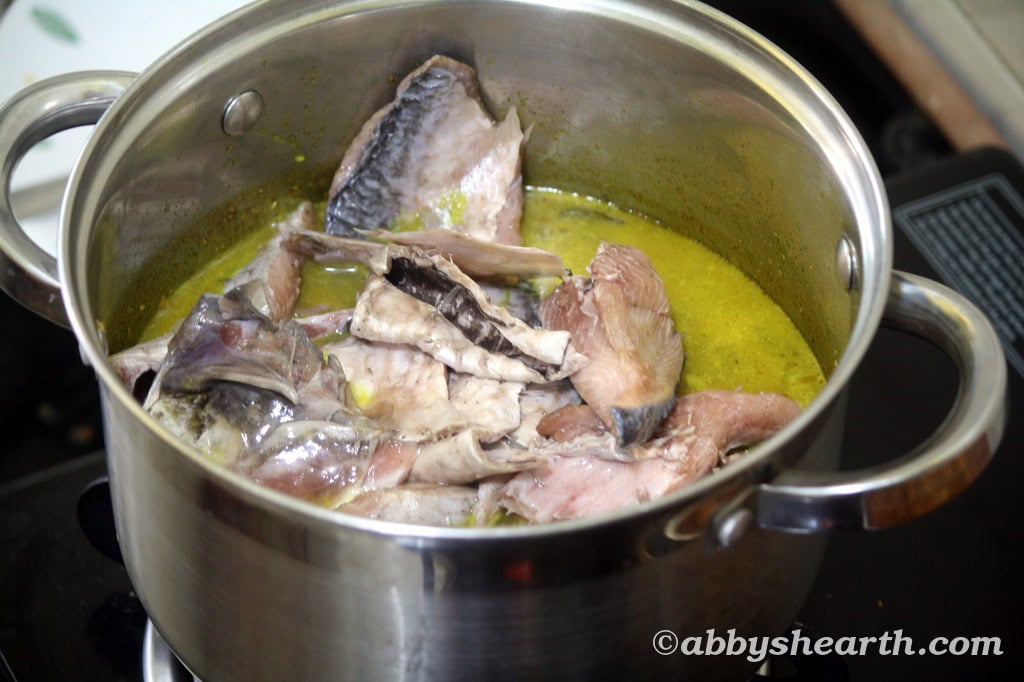
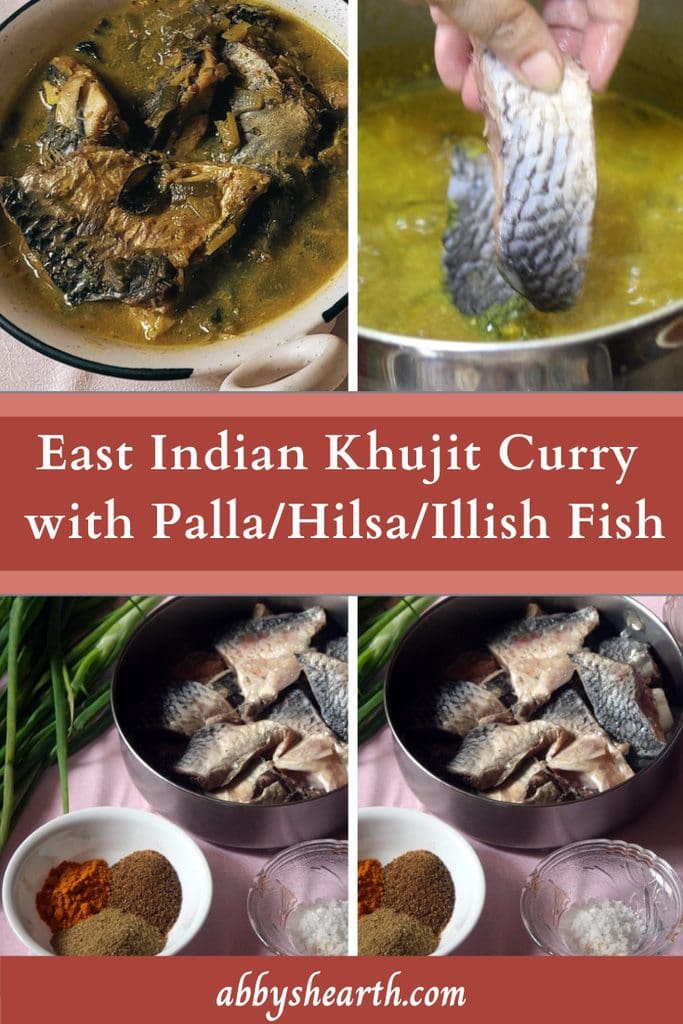
Once the curry has bubbled for a few minutes, mom starts lowering in the pieces of illish (hilsa or palla), and allows it to simmer until it’s cooked through.
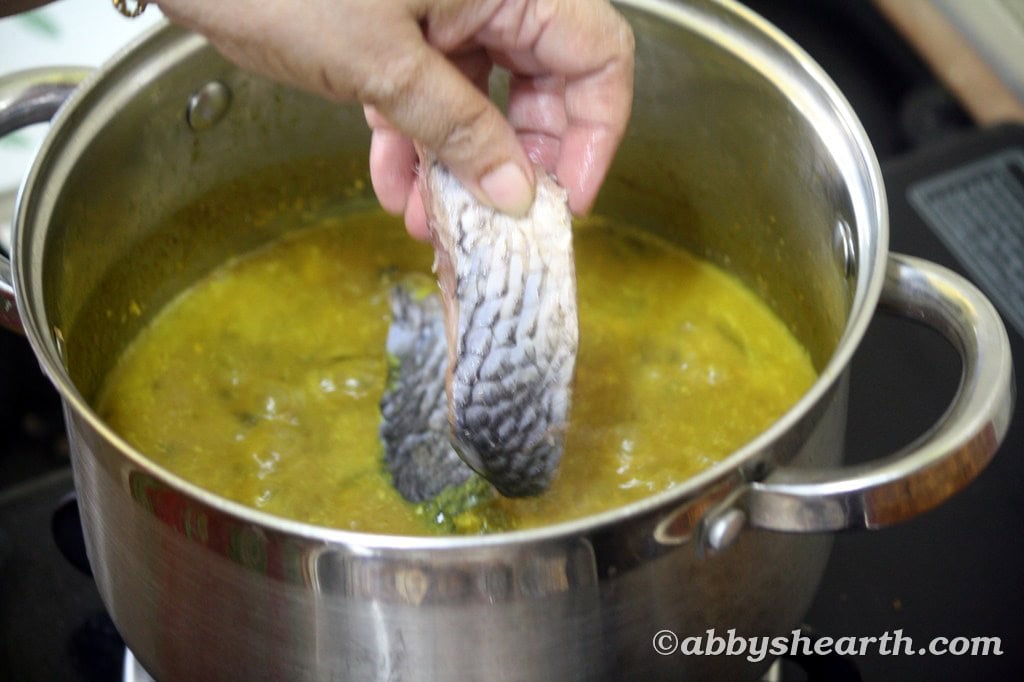
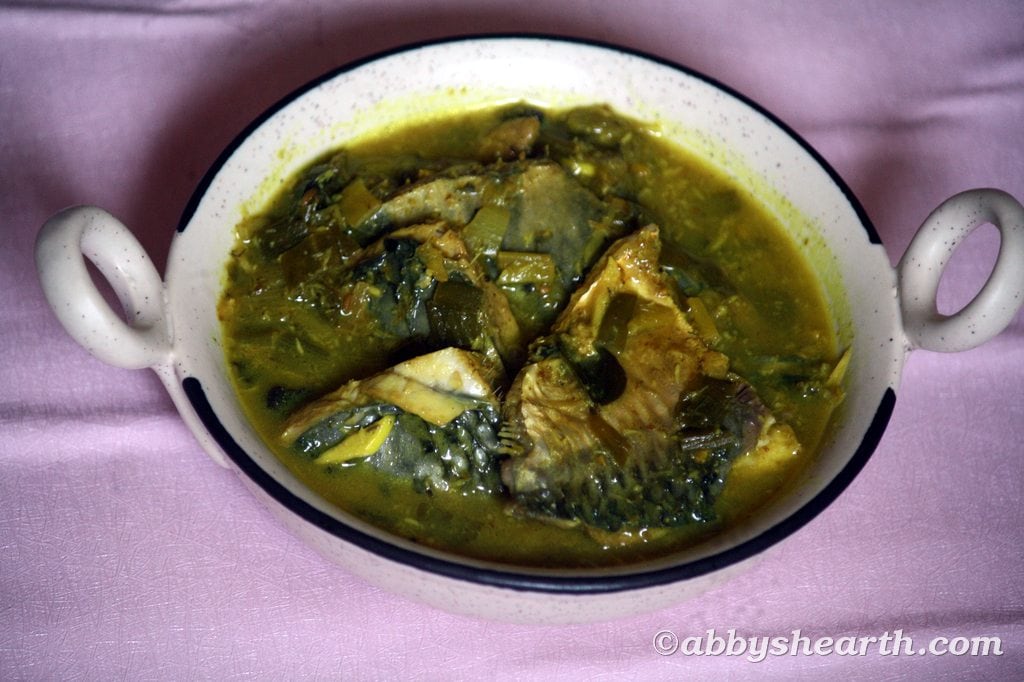
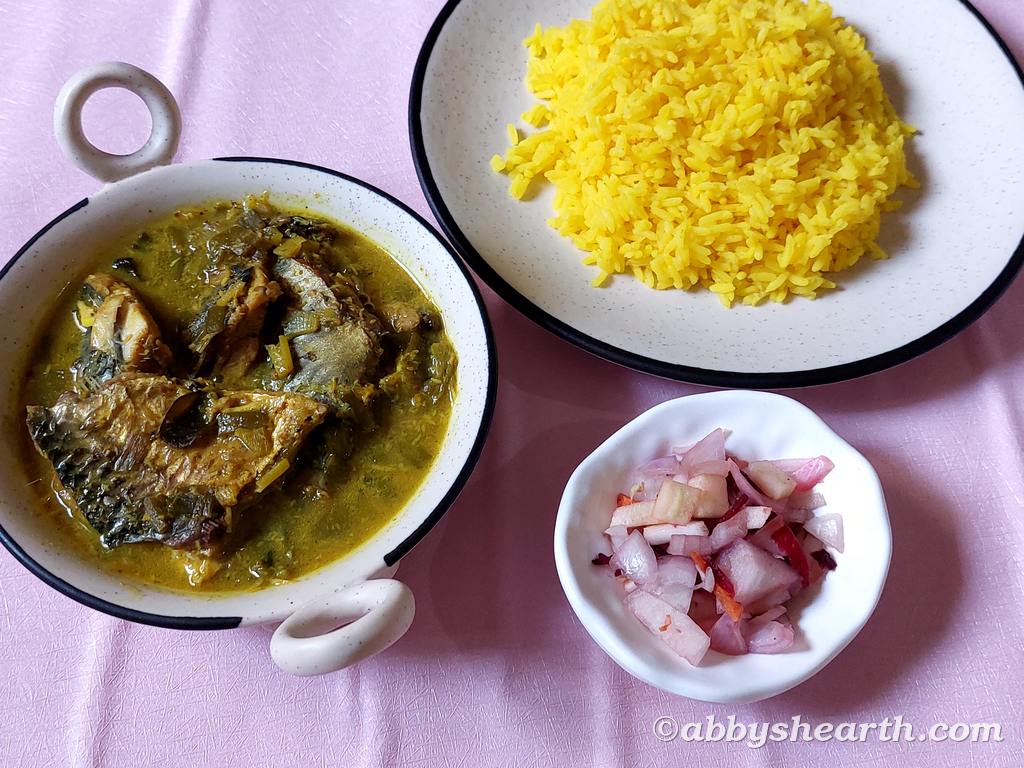
And that’s it. The palla/illish/hilsa khujit curry is ready to eat. Mom’s East Indian fusion, pure perfection!
Whatever you call it — hilsa, palla, or ilish — this fusion take on khujit has earned its place in our kitchen. And if you can’t find the fish, the curry works just as well with pomfret, surmai, vaw (eel), or black pomfret, so don’t let one ingredient hold you back from trying it.
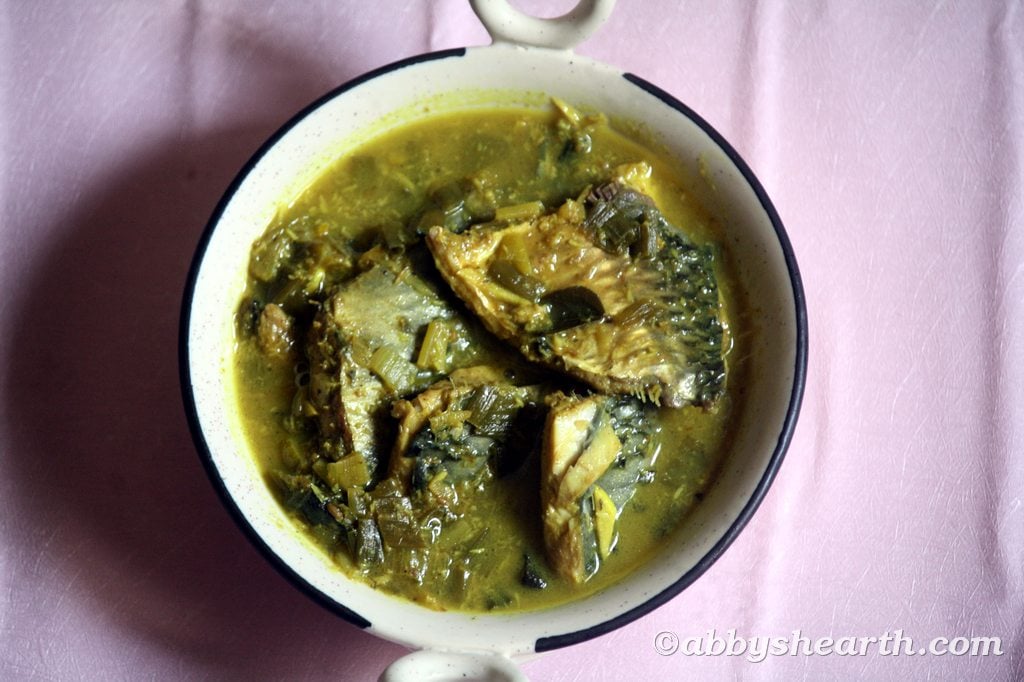
Palla Khujit Curry
Click the stars to add your rating! Left you don’t like it, right you love it!


Ingredients
- 2 Tablespoons Oil
- 500 millilitres Water
- 4 Green Chillies – Fresh
- 3 Inches Ginger
- 2 Pods Garlic
- 1.5 Tablespoons Coriander Powder
- 1 Tablespoon Cumin Powder
- 0.5 teaspoon Turmeric Powder
- 6 Spring Onions (6 small or 3 large)
- 2 Tablespoons Desiccated Coconut or Coconut Powder Soaked in water
- 1 teaspoon Tamarind Pulp Soaked in Water (Or 1 Tablespoon Vinegar)
- 3 sprigs Curry Leaves
- 1 teaspoon Sea salt
- 1 Hilsa/Palla/Illish Fish
Instructions
- Cut the spring onions along with the spring onion greens into half cm pieces.
- Cut the chillies, ginger and garlic in slivers.
- Soak the tamarind pulp in water and set aside. (if you don't have tamarind pulp, you can use vinegar.)
- Soak the desiccated coconut in water and set aside.
- Add oil to a pot and fry the spring onions, chillies, ginger and garlic for 2 minutes.
- Next, add the cumin powder, coriander powder, turmeric powder along with water and cook for a few minutes.
- Then add the tamarind pulp (or vinegar), desiccated coconut, curry leaves, and salt and stir.
- When it starts to boil, add the fish and allow to cook till done.
- Serve with turmeric rice or plain rice and salad.
Please click to rate the recipe! Left you don’t like it, right you love it!
Notes
- You can replace the coriander powder, cumin powder, and turmeric powder with 2.5 tablespoons of East Indian Khujit masala.
- Can also be made with pomfret, surmai, halwa, vaw or ghol.
Nutrition (Per Serving)
Disclaimer: Nutrition Information per serving is estimated by a third party software based on the ingredients used, and is for informational purposes only. It will vary from product to product, based on methods of preparation, origin and freshness of ingredients. Please consult the package labels of the ingredients you use, or chat with your dietician for specific details.
This printable recipe card is for home use only. For more recipes head over to AbbysHearth.comOther Recipes to Try
- East Indian Eel Curry (Vaw Khujit)
- How To Fry Kingfish Indian-Style?
- Duck Moile Curry
- Directory of our Mumbai East Indian Recipes
- Spicy Squid Curry

Heya, I’m Abby! I’m a Gourmand Award-winning cookbook author and East Indian from Bombay, India. This blog is all about faith, food, and culture – from East Indian recipes to home, DIY, and spending time in the Word. Find out more about me here!