You start with one repair. Then the contractor finds something behind the wall, and suddenly you’re looking at a list that keeps growing. A roof quote here, a flooring estimate there, a plumber who can’t come out for two weeks — and the money you expected to walk away with is quietly disappearing before the house ever hits the market.
This is the decision most sellers aren’t fully prepared for. Some homes genuinely benefit from being fixed up first. Others sell better as they are, particularly when time is short or the repair list is long. A seller comparing contractor estimates against an as-is cash offer from A List Properties may find that a known number in hand is worth more than a higher price that comes with six weeks of work and no guarantees.

When Repairs Actually Help
Targeted repairs do make a difference when they remove the things buyers fixate on. Fresh paint, clean flooring, working fixtures, a tidy yard: these help people walk through a home and imagine living there rather than tallying up what they’ll have to fix.
Fixing the small things matter more than sellers expect. A loose handrail, a stained ceiling, a dripping tap, a gate that won’t close — none of these are expensive to fix, but left alone they plant a seed of doubt. Buyers start wondering what else hasn’t been kept up, and that doubt shows up in lowball offers.
Presentation also affects how well a home photographs. It’s not like the old days anymore. Most buyers in Texas start their search online, and listings that photograph poorly get skipped. If a seller has the time and budget to get the home looking its best before listing, that investment usually pays off through more showings, stronger offers, and fewer concessions at closing.
When Repairs Become A Problem
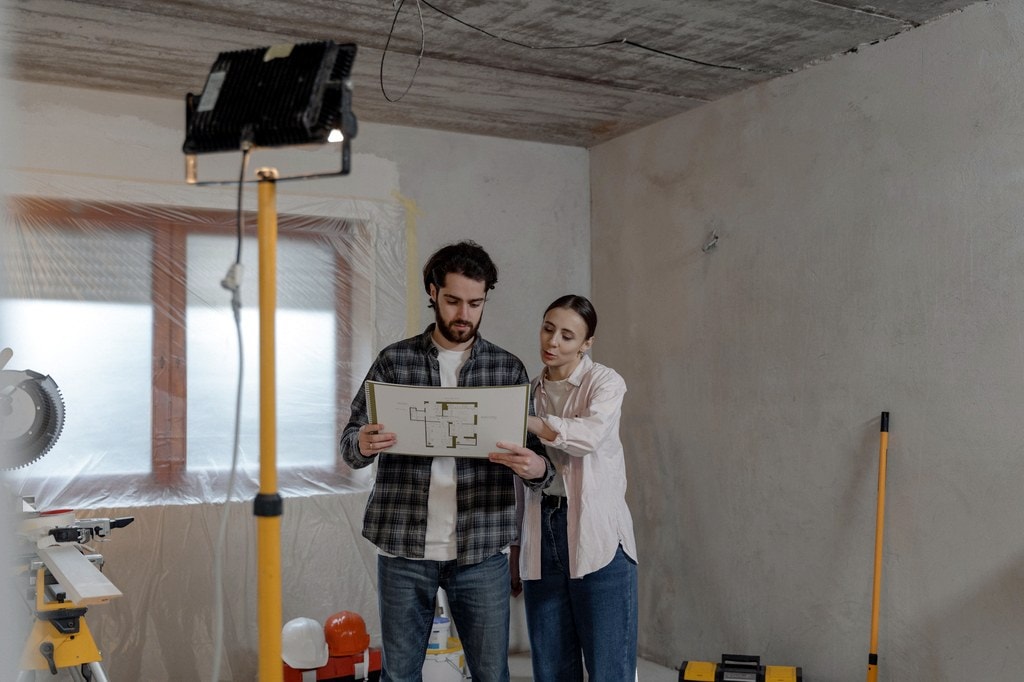
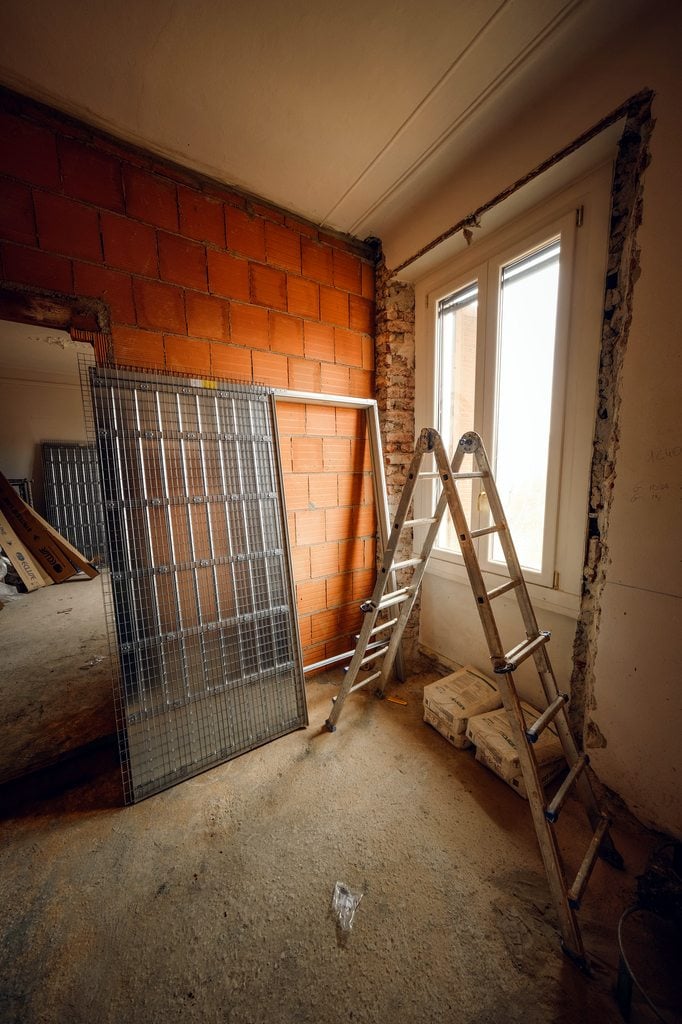
The trouble starts when one repair uncovers another. The carpet gets pulled up for changing, and you find there’s subfloor damage underneath. A bathroom refresh turns into a plumbing call. What looked like a two-week project becomes six, and the listing keeps getting pushed back.
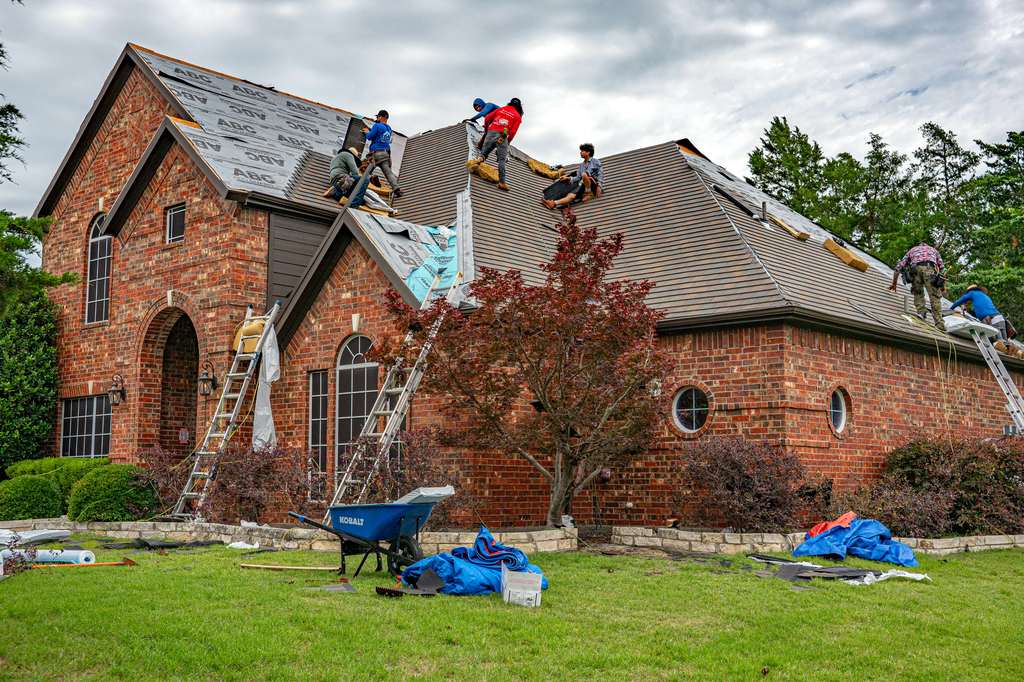
Bigger issues are harder still. In Texas, foundation problems, roof damage, and HVAC failures are common negotiation points — and fixing them before listing costs money a seller may need elsewhere. Even when the repair itself goes smoothly, coordinating contractors in a busy market takes energy most people underestimate.
And there’s no promise the money will come back to you at the end. As a seller, you could spend thousands making your beloved home acceptable to buyers who then come back after the inspection asking to reduce the cost, or get more stuff fixed before sale. You’ve done the work and you’re still negotiating.
The Hidden Costs Sellers Forget to Calculate
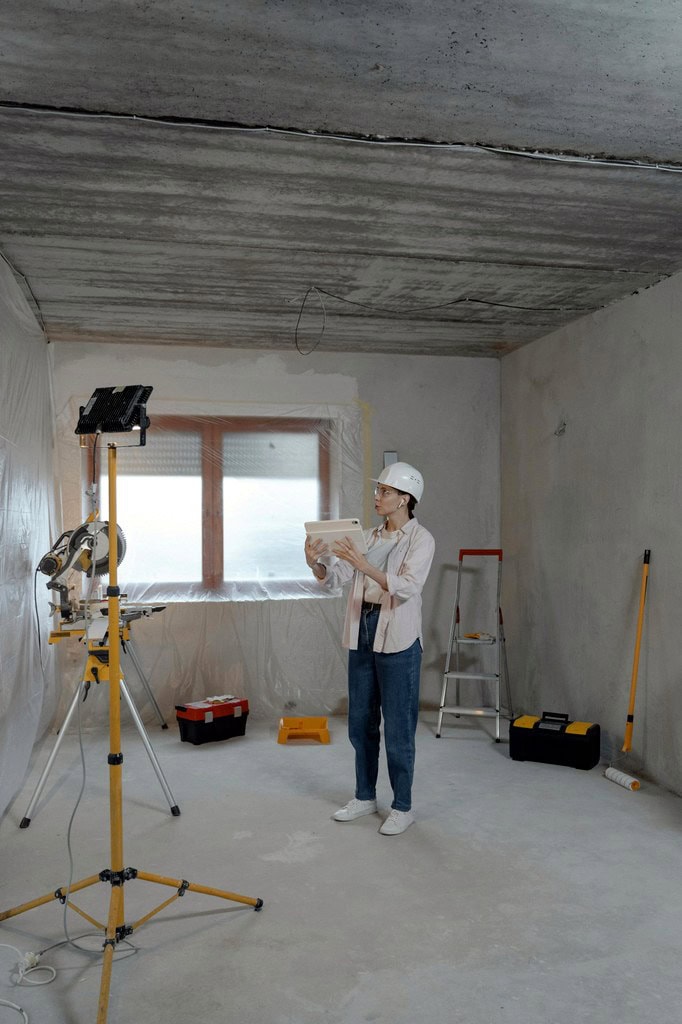
The repair estimate is only part of the calculation. What sellers often miss is how much it costs to hold a property while work is being done — especially if they’ve already moved into another place and are paying two sets of bills.
Mortgage, utilities, insurance, property taxes — in Texas, those property taxes alone add up fast — plus lawn maintenance, storage, and keeping the place show-ready. Delay the sale by six or eight weeks and a repair that seemed cost-effective on paper starts looking a lot different.
Not every renovation pays for itself at resale, either. Some updates make buyers more comfortable; others return only a fraction of what they cost. Remodeling cost recovery data from the Nartional Association of Realtors confirms this — sellers who go in assuming everything will pay for itself often come out disappointed.
Getting out of a property cleanly and on your own schedule has real value, even if it’s harder to put a number on it. For some sellers, that single offer from a good buyer that removes uncertainty is worth more than the one that looks better on paper.

When Peace of Mind May Be Worth More Than Top Dollar
Chasing the highest possible price makes sense when the path there is clear. It gets complicated when you’re looking at a roof that needs replacing, new flooring throughout, a fresh coat of paint on every wall, and the knowledge that the inspector will find more problems to fix once a buyer is under contract.
A lower offer with no repair contingencies can be the simpler path out. This is especially true for inherited properties, homes that have sat vacant for a while, older houses that would need significant updating to compete on the open market, or situations where the seller is already managing a complicated life change.
A traditional listing is still the right call when the home is in good shape and the seller has time to work through the process. But when repairs, showings, and negotiations start taking over the calendar, the definition of a good sale shifts considerably. The best outcome is the one that actually works for the person selling.
How to Decide Which Path Makes Sense
Run the numbers, but go further than just the repair estimates. Factor in the time the work will take, what it costs to keep the property during that period, and what a realistic sale price looks like after the repairs are done. If that scenario only works out well under ideal conditions, it probably isn’t the right bet.
The condition of the home shapes your options. Cosmetic work such as painting, cleaning, and minor fixes is usually worth doing. Solving structural problems, foundation issues, or anything that could hold up financing is trickier. Those repairs shrink the buyer pool when left alone, but they also cost the most to fix.
As a seller you need to be honest about how much you have left to give. Coordinating contractors, keeping the home clean for showings, responding to buyer requests is all going to take time and attention. If you’re already stretched thin or looking to sell in a hurry, a straightforward sale with fewer moving parts can be a better fit than a process that demands more.
The Right Choice Depends on What the Sale Is Costing You
As a seller, you want to walk away with as much as possible. But the right path depends on what the property is actually costing you while it sits vacant. Time, money (bills), energy, and the ongoing stress of keeping a home market-ready all go into that calculation. Repairs make sense when they’re targeted, affordable, and likely to move the needle, but they become a drain when they stretch the timeline, eat into the proceeds, or turn into a project the seller didn’t sign up for.
The real question isn’t whether repairs are good or bad in general. It’s whether doing them serves your specific situation. If getting the house in order helps you sell with confidence and come out ahead, the work is worth it. If it’s keeping you tied to a property you’re ready to be done with, accepting a lower offer and moving on can be the smarter call.
Other Posts You Might Like
- How to protect your household after an accident
- Making your outdoors usable in all seasons
- Transforming the space in your home
- Can you use park model cabins for homesteading?
- Landscape your gardens better