Let’s be honest — who wants to eat goat testicles?
Not me, for most of my life. Not my siblings either. Kapuras sat on the table and we quietly looked the other way. Mum made them occasionally, the same way her mother used to make them, and we were spectacularly uninterested.
Then somewhere along the way, curiosity won.
Turns out, kapuras taste pretty normal. Mild, actually — a lot like kiri, the roasted goat udder dish I grew up eating and love to this day. Nothing alarming. Nothing that justifies the years of avoidance.
This recipe is in my Gourmand Award winning cookbook Jevayla Ye — one of those dishes I almost didn’t include because it feels so ordinary to me. Granny made them exactly this way: boiled, sliced, topped with pepper. No elaborate spicing, no clever disguise. Just the ingredient, treated simply and eaten without fuss. Mum carried that straight into her own kitchen, and this is still how we make them.
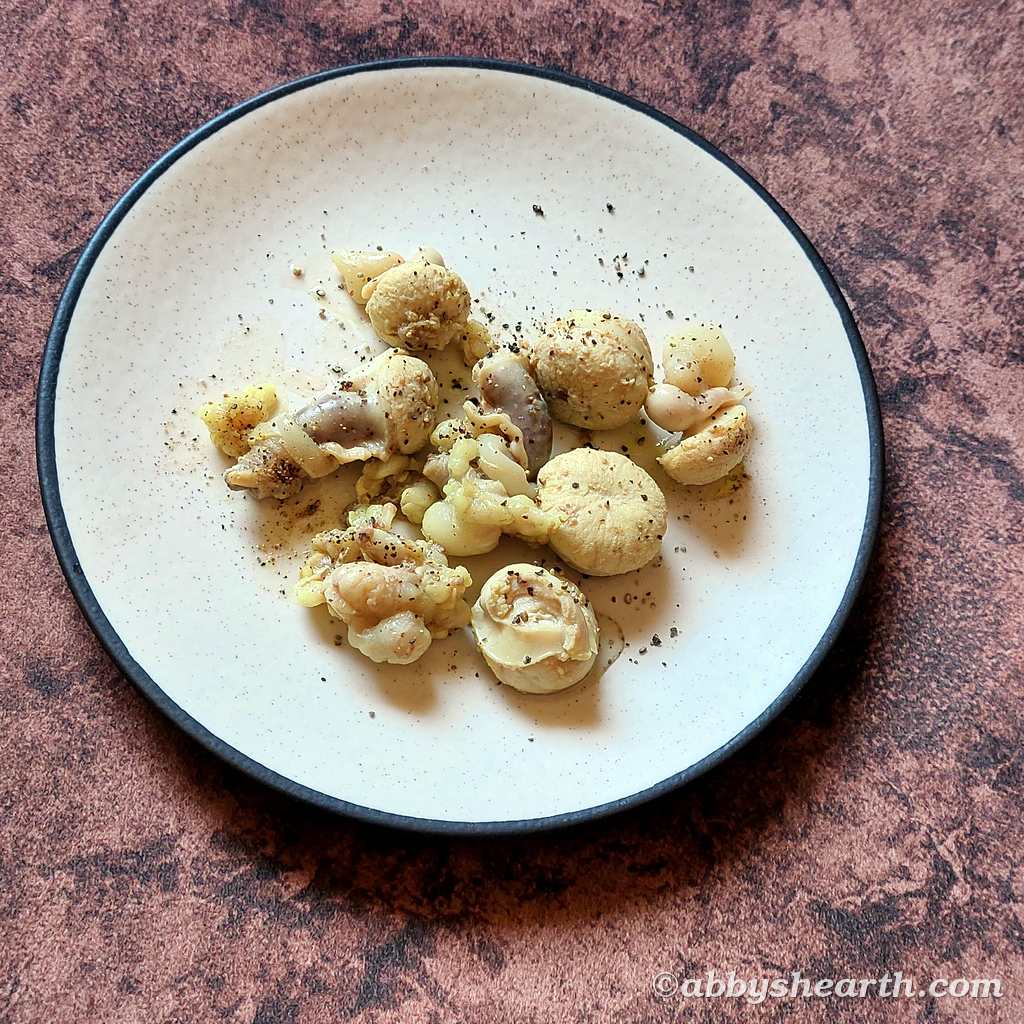
What Are Kapuras?
Kapuras is the word used for goat testicles in Indian cooking, particularly in communities where whole-animal eating has always been the norm. Nothing goes to waste — and that includes parts that squeamish modern cooks tend to leave behind.
They’re offal, technically, which is why you’ll find them grouped alongside other variety meats like oxtail stew, vajri khudi, brain masala, tongue roast, or kiri curry. They’re also categorised under mutton since they come from the goat.
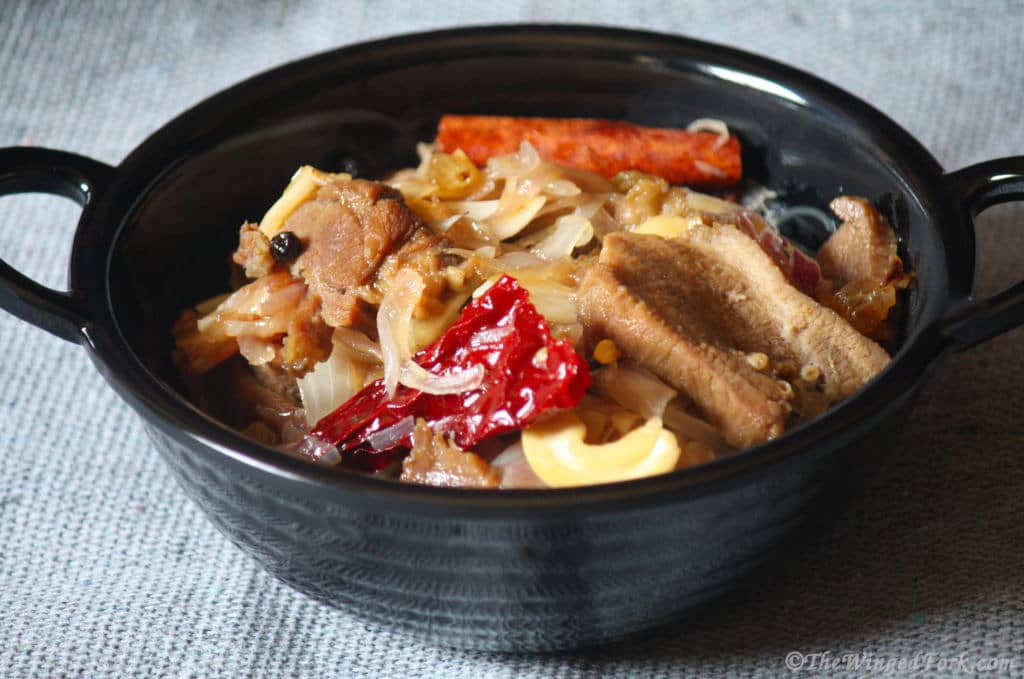
In our East Indian community, kapuras were never a special-occasion dish. They appeared when they were available, were cooked the same way every time, and were eaten by whoever was brave enough.
What Do Kapuras Taste Like?
Mild. Genuinely mild. The texture is soft and slightly firm, not as firm as kiri, and the flavour is subtle enough that the pepper does most of the talking. If you’ve eaten goat offal before and enjoyed it, kapuras will not surprise you. If you haven’t, this is actually a good place to start.
The boiling method keeps things clean and straightforward. You’re not masking anything, you’re just cooking the ingredient as it is.
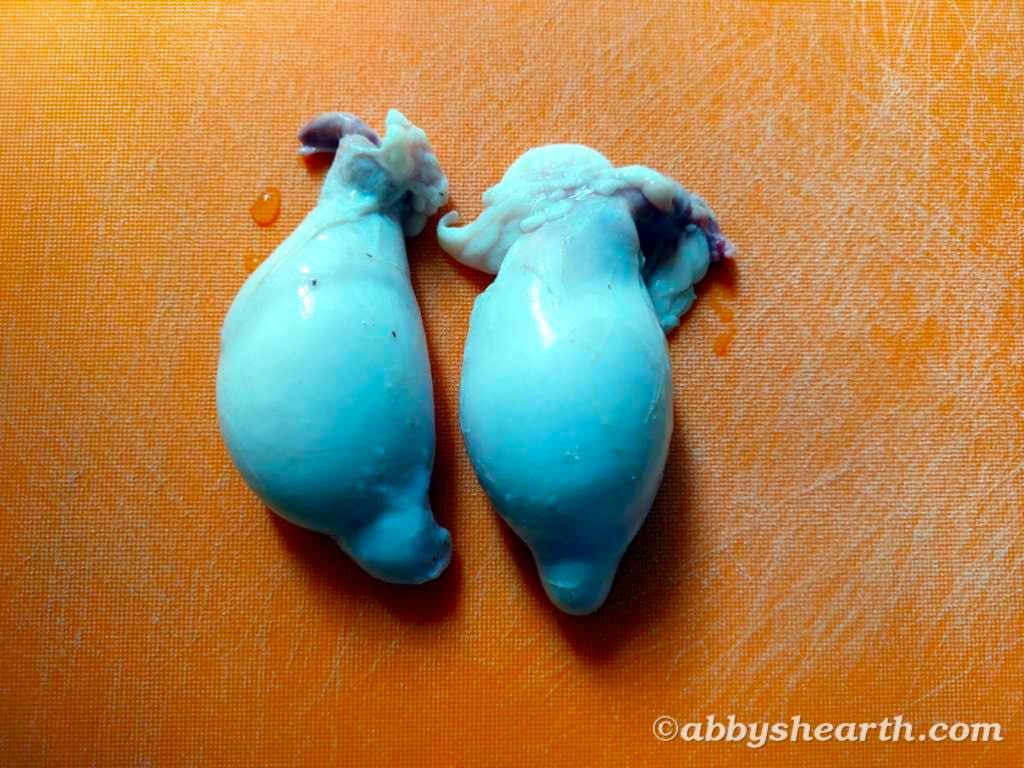
Why This Recipe Works
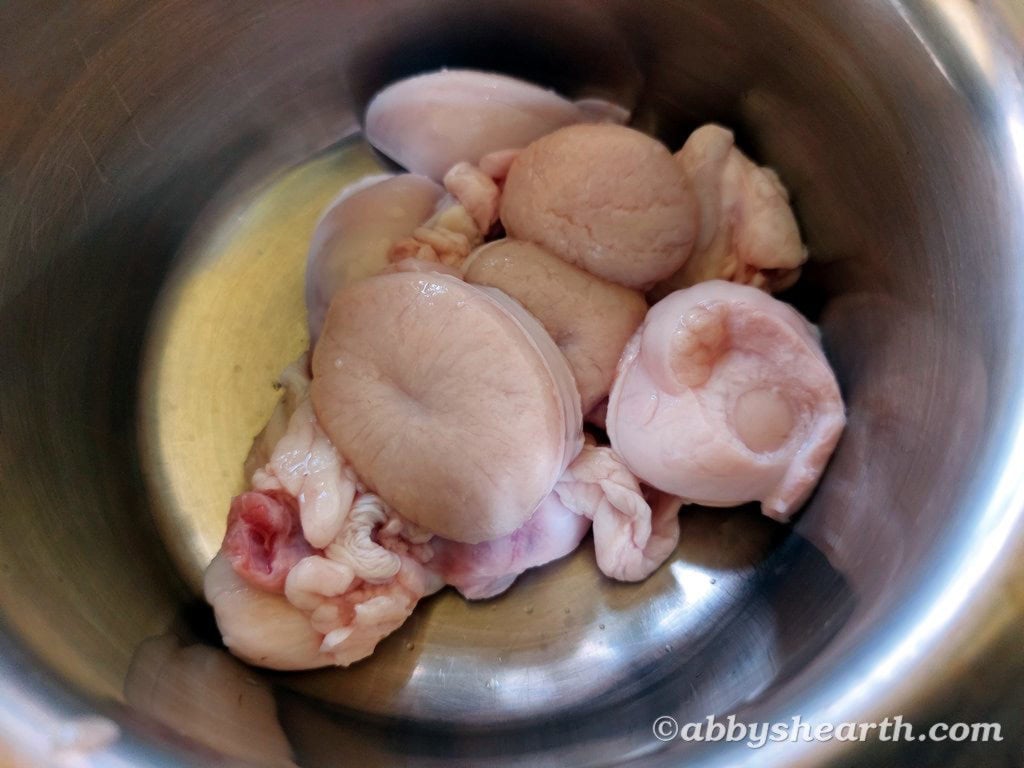
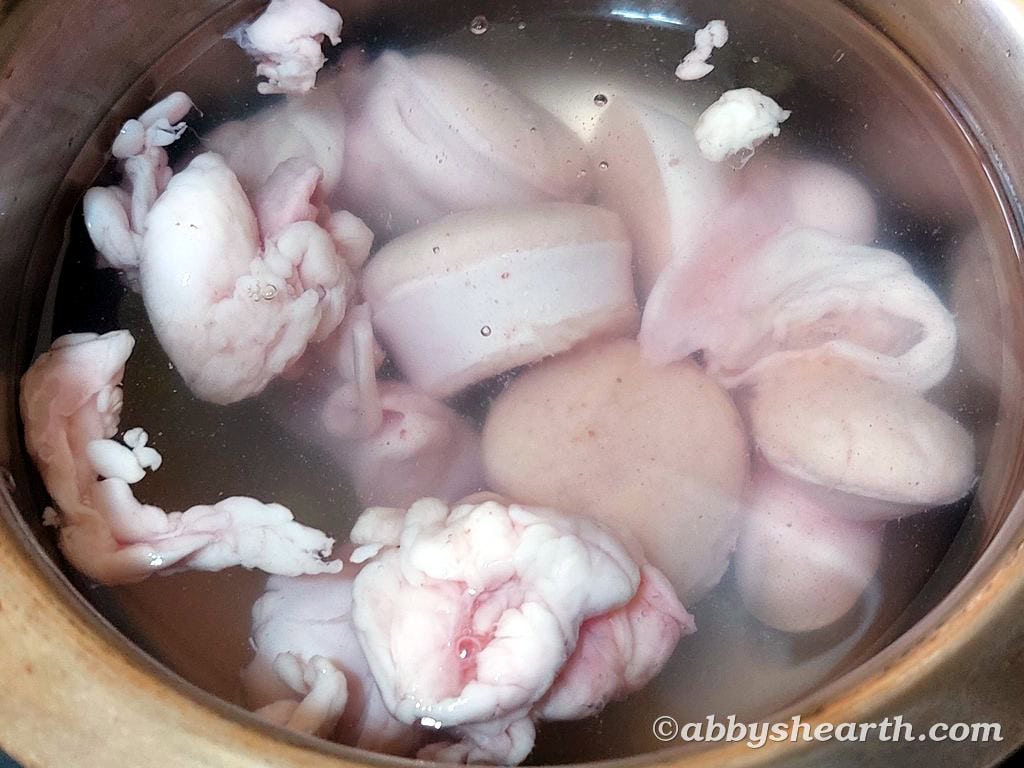
Twenty minutes, four ingredients, and that’s it. There’s no marinade, no masala, and no elaborate technique. The kapuras are sliced, boiled in salted water, drained, and served with pepper. The boiling firms them up and removes any strong odour. The pepper does the rest. It’s the kind of recipe that exists in communities where nothing goes to waste and fresh meat speaks for itself.
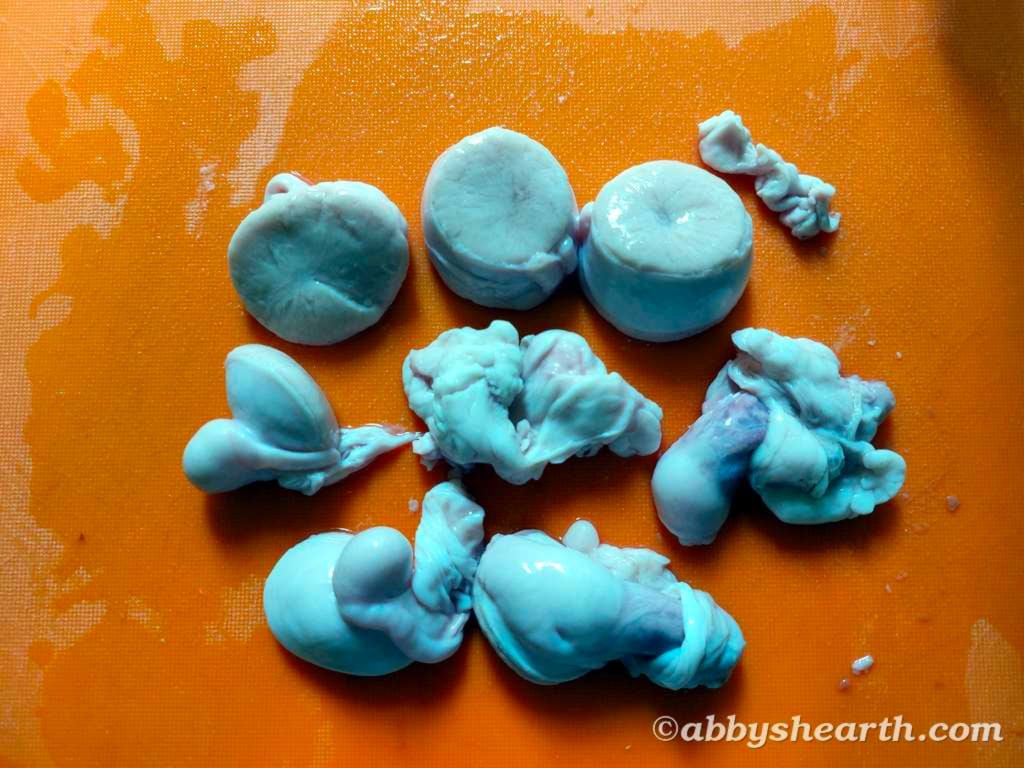
Tips Before You Cook
- Ask your butcher to source these fresh. They’re not always available, so you may need to place a request a few days in advance.
- Two kapuras serve four people as a light dish or appetiser, which tells you something about their richness.
- Discard the boiling water before plating.
- Freshly cracked black pepper makes a difference here — the dish is simple enough that quality shows.
Where to Buy Kapuras
In Mumbai, ask your mutton-wala directly — most don’t display them, so you have to know to ask. In the UK or US, a good halal butcher is your best bet; call ahead as they’re rarely on display. In South Africa, an abattoir supplier will usually have them. They’re limited in quantity, so build a relationship with your butcher if you want them reliably.
Serving Suggestions
Boiled kapuras are typically eaten as a starter or a small side, not a main. Serve them warm, straight off the stove — pepper, plate, done. You could also squeeze a little lime over the top for more flavor.
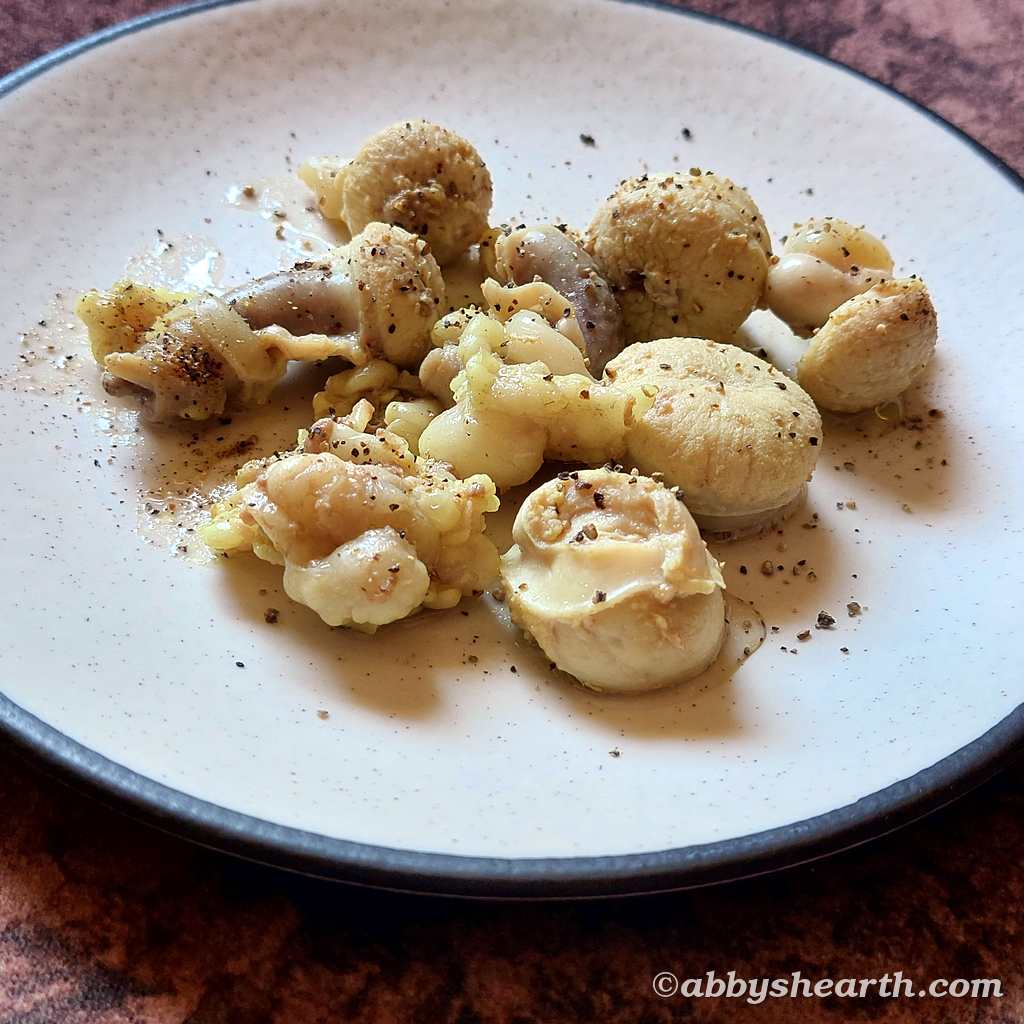
If you want to take them further, a quick toss in butter with garlic works beautifully. But that’s not how we grew up eating them, and I’d rather give you the original first.
If you enjoy unusual food and eating the whole animal, you might also like my post on weird foods of the world — kapuras would fit right in.
A Note on Eating Offal
Offal cooking is part of a whole-animal tradition deeply embedded in East Indian and broader Indian food culture. Liver, kidney, brain, tripe — nothing is wasted. Kapuras sit in that same tradition. They’re not a novelty or a dare; they’re simply part of the repertoire.
If you’re new to cooking offal, start with our recipes for vajri khudi or brain masala, and work up from there. Kapuras are actually one of the milder options, which surprises most people.
Frequently Asked Questions About Kapuras
What are kapuras? Kapuras is the Indian term for goat testicles. They’re classed as offal and eaten across South Asia and the Middle East, particularly in communities where whole-animal cooking is the norm. In Mumbai, they turn up in both home kitchens and at certain meat stalls in the evenings.
What do kapuras taste like? Mild and slightly firm — closer to goat udder (kiri) than to organ meats like liver or kidney. There’s no strong or gamey flavour. The pepper does most of the work in this recipe, which tells you how subtle the base flavour is.
Are goat testicles safe to eat? Yes, when properly cleaned and cooked through. Boiling for 15 minutes at a rolling boil is sufficient. Buy from a trusted butcher and cook fresh — the same food safety rules that apply to any offal apply here.
Where can I buy kapuras? At halal butchers or meat markets that stock the full animal. In Mumbai, your local mutton-wala can usually source them if you ask in advance. Outside India, a good halal butcher is your best bet — call ahead, as they’re not always on display.
Is this an East Indian recipe? This particular preparation — boiled, sliced, topped with pepper — is how it’s been made in our family for generations. Whether it’s specific to the East Indian community or simply a regional approach, it’s the version that came down from granny to mum to us, unchanged.
Can I add spices or make a curry with kapuras? You can. Sometimes we add a bit or lime or butter, or add it to a curry. Other cooks prepare a masala version. But the boiled-and-peppered approach is the simplest and arguably lets the ingredient speak for itself. If you want more spice, try serving alongside a chilli-forward dish rather than adding to the kapuras themselves.
Can I fry kapuras instead of boiling? Boiling is the traditional approach and keeps the flavour clean. That said, once boiled you could finish them in a pan with butter, garlic, and pepper — which works very well. Straight frying from raw isn’t recommended as it’s harder to control the cook evenly.
What other offal recipes are similar? If you enjoy kapuras, you’ll likely enjoy kiri curry or roast kiri — goat udder cooked in a light gravy, very similar in texture. Brain masala and vajri khudi are also worth exploring if you’re building an appetite for whole-animal eating. Tongue roast or tongue moile or tongue masala is another one of our favorites.
Boiled Kapuras
Click the stars to add your rating! Left you don’t like it, right you love it!


Ingredients
- 2 Kapuras goat testicles
- 0.5 tsp Salt
- 500 ml Water
- 0.5 tsp Pepper Powder
Instructions
- Cut the kapuras in round slices.
- Add to a pot of water and boil for 15 minutes.
- Discard the water.
- Place the kapura slices on a plate, top with pepper powder and serve.
Please click to rate the recipe! Left you don’t like it, right you love it!
Notes
Nutrition (Per Serving)
Disclaimer: Nutrition Information per serving is estimated by a third party software based on the ingredients used, and is for informational purposes only. It will vary from product to product, based on methods of preparation, origin and freshness of ingredients. Please consult the package labels of the ingredients you use, or chat with your dietician for specific details.
This printable recipe card is for home use only. For more recipes head over to AbbysHearth.com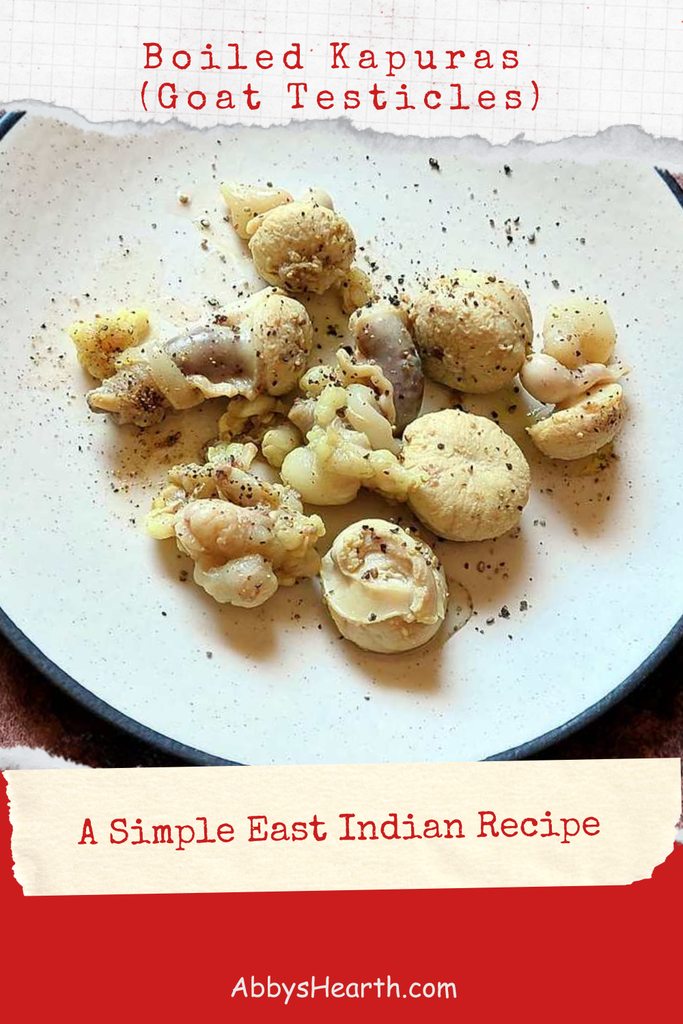

Heya, I’m Abby! I’m a Gourmand Award-winning cookbook author and East Indian from Bombay, India. This blog is all about faith, food, and culture – from East Indian recipes to home, DIY, and spending time in the Word. Find out more about me here!