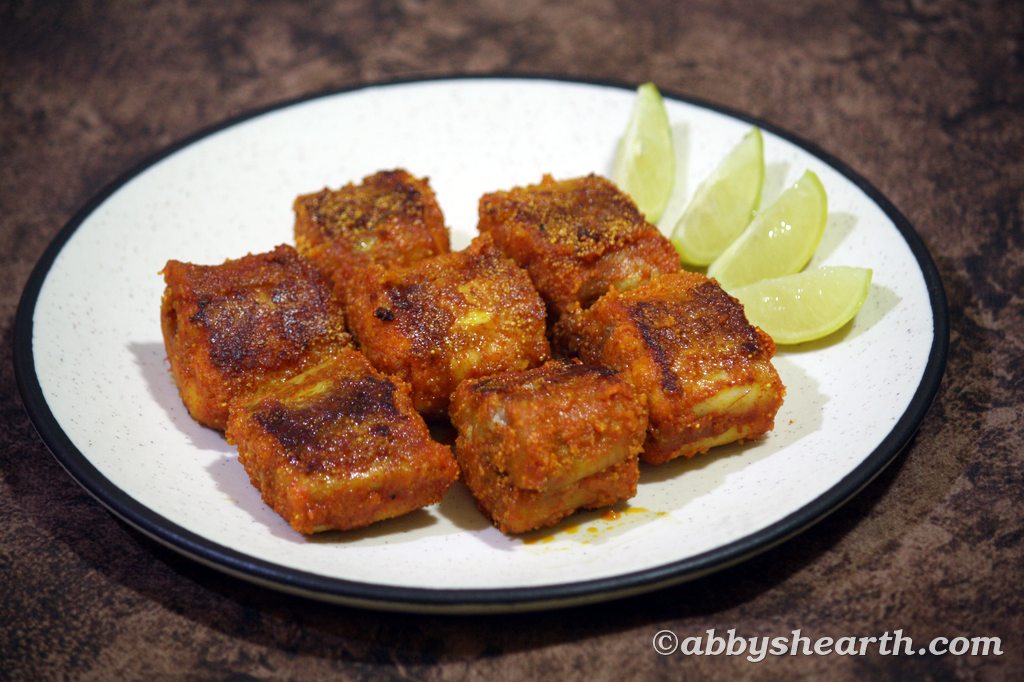
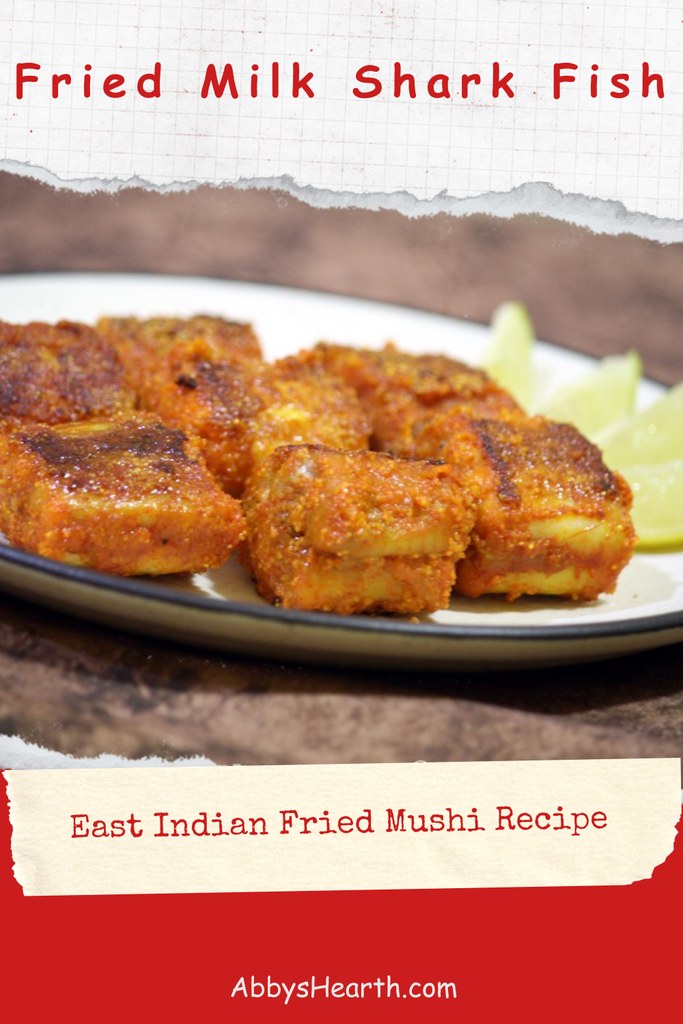
Mushi doesn’t get nearly the attention it deserves outside East Indian kitchens. This fried version is the quicker cousin of the Mushi Lonvas curry that we’ve shared earlier — same fish, a ten-minute marinade, and a hot pan instead of a pot of curry.
What Is Mushi (Milk Shark)?
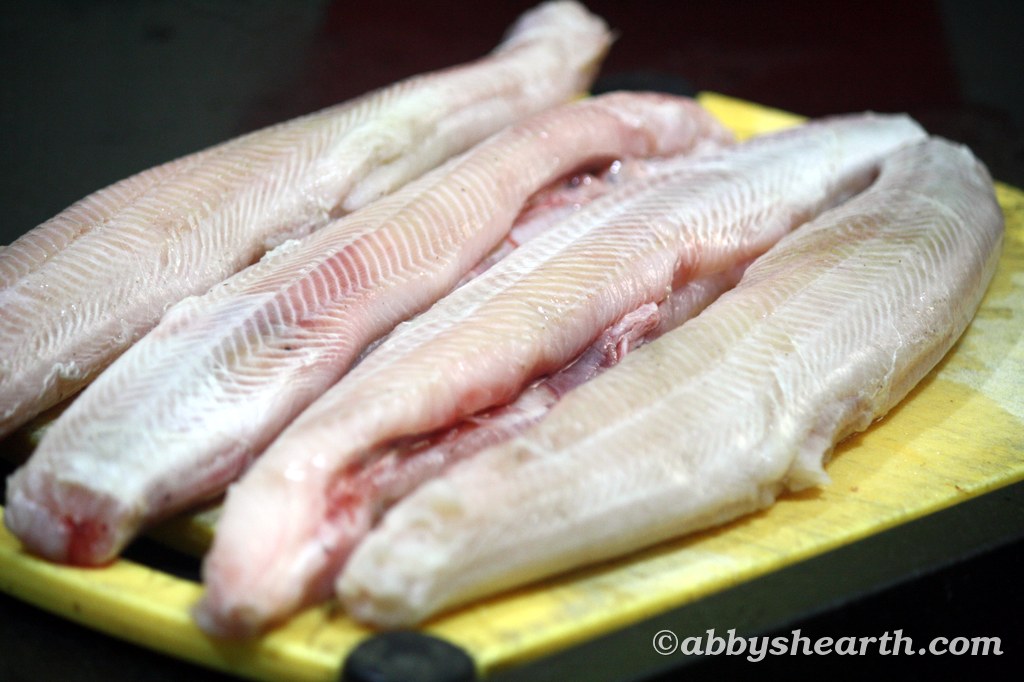
Mushi is the Bombay fish-market name for milk shark, a small, slender shark common along India’s coast — mild enough in flavour and small enough in size that most people at the fish counter wouldn’t guess “shark” at all. The English name has nothing to do with how it tastes: it comes from an old regional belief that eating this fish helps a nursing mother’s milk supply.
It’s also a fish that many people are afraid to try because of the taboo associated with eating shark fish. But this smaller relative of the shark isn’t harmful to eat. Just make sure that you don’t eat any the skin. Eating even a bit of the tough skin can give you the runs, which is why fishmongers usually skin the shark before selling it to you. Is this true? It’s local fisherfold knowledge we’ve grown up with. I’ve never tried eating the skin to actually see what happens. If you, please let me know what happens. And if you are looking for some yummy fish skin to eat, try pakat (skate or ray fish). I love that skin!
No relation to the “great fish” that swallowed Jonah, in case you were wondering — though if you want a laugh about that story, check out our Jonah Bible Jokes.
If your fishmonger doesn’t carry mushi, the same marinade and semolina crust work well on any firm white fish — surmai (kingfish) or pomfret are the closest substitutes in texture.
Is Milk Shark Endangered?
Milk shark isn’t endangered. The IUCN lists it as Vulnerable, one tier below endangered, mainly because of fishing pressure for its meat, fins, and use in fishmeal. But despite being heavily fished, populations don’t appear to be at real risk of extinction. The species matures young and reproduces every year, which makes it more resilient than many other shark species. So there’s no ethical or legal red flag here — it’s a widely eaten, traditional catch, not a species under threat.
See How to Make the Fried Mushi Fish
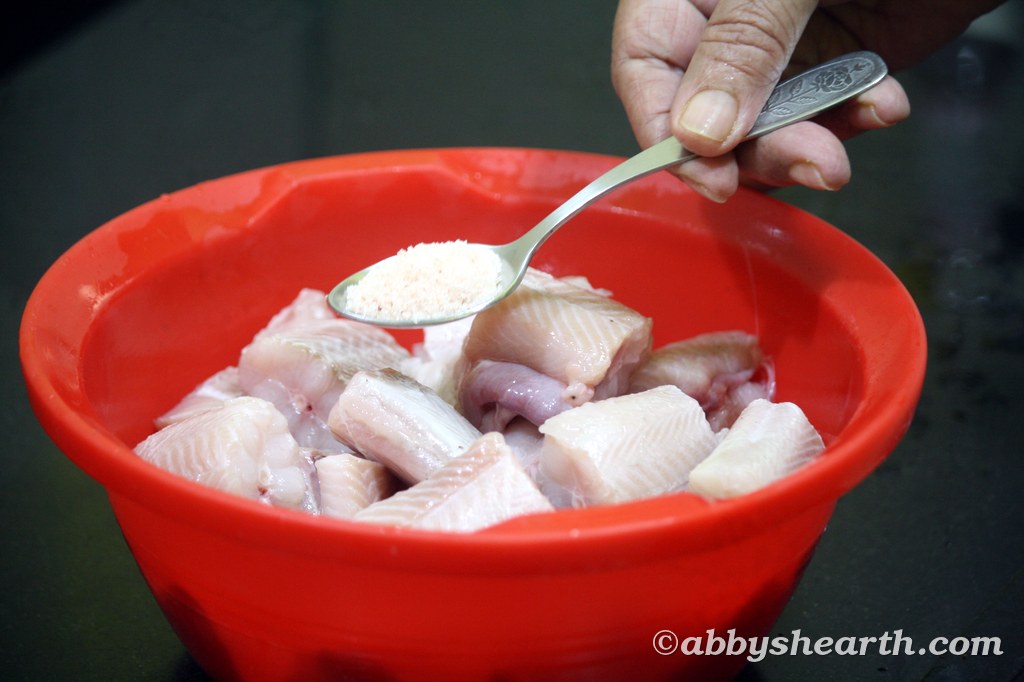
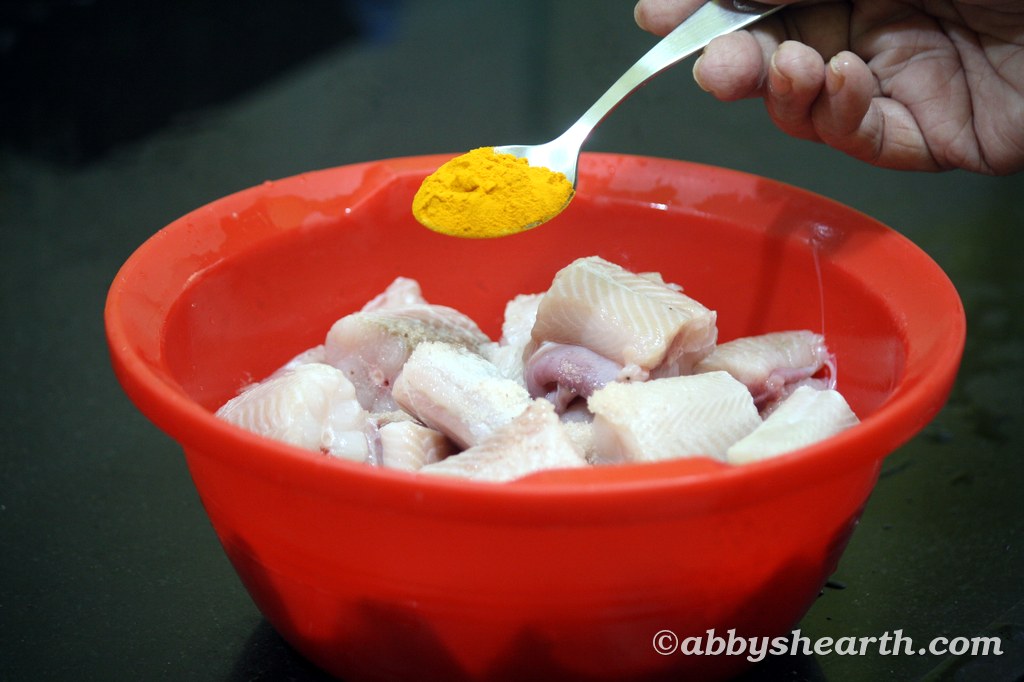
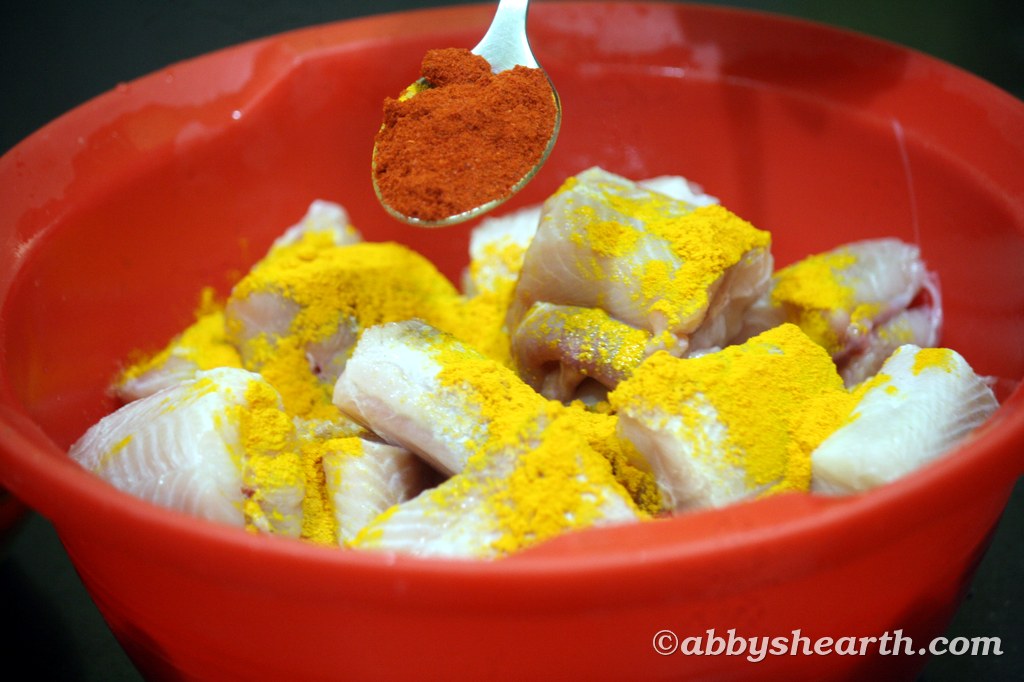
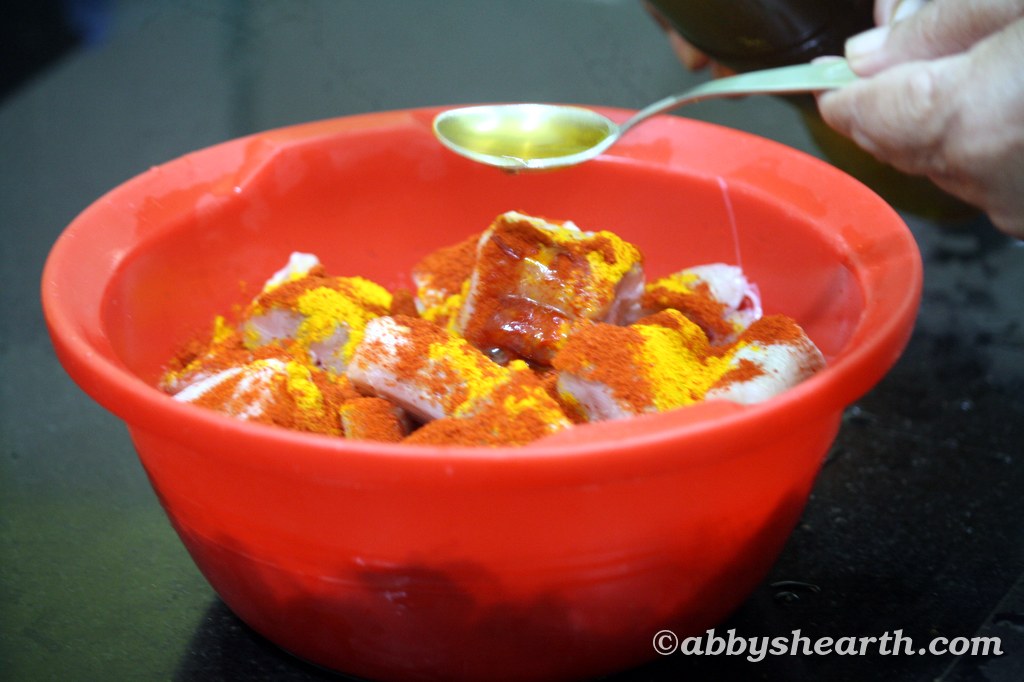
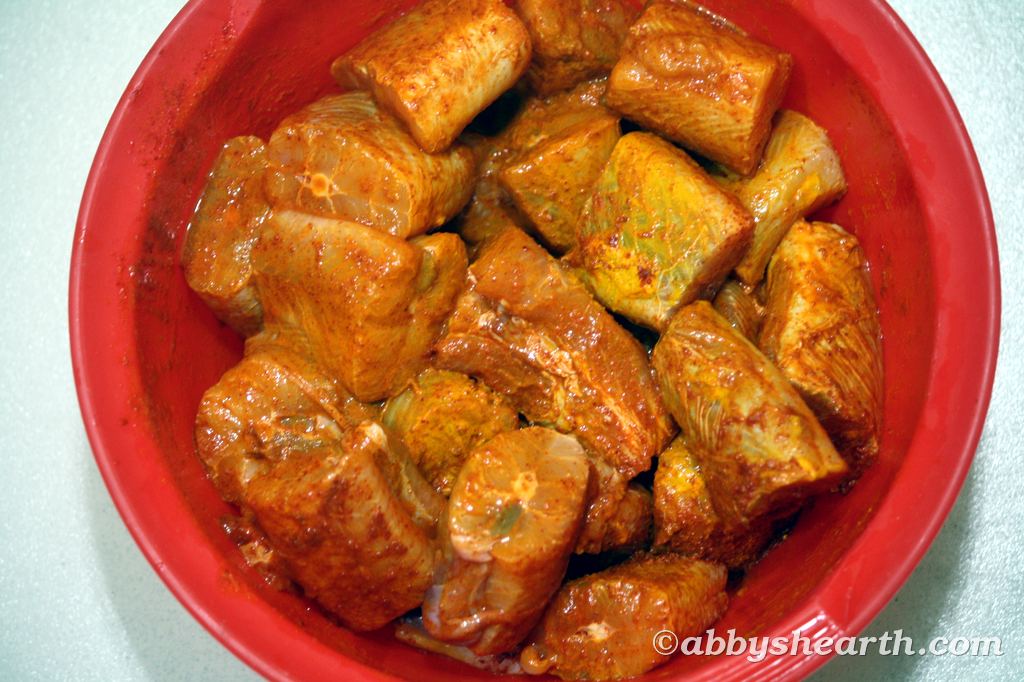
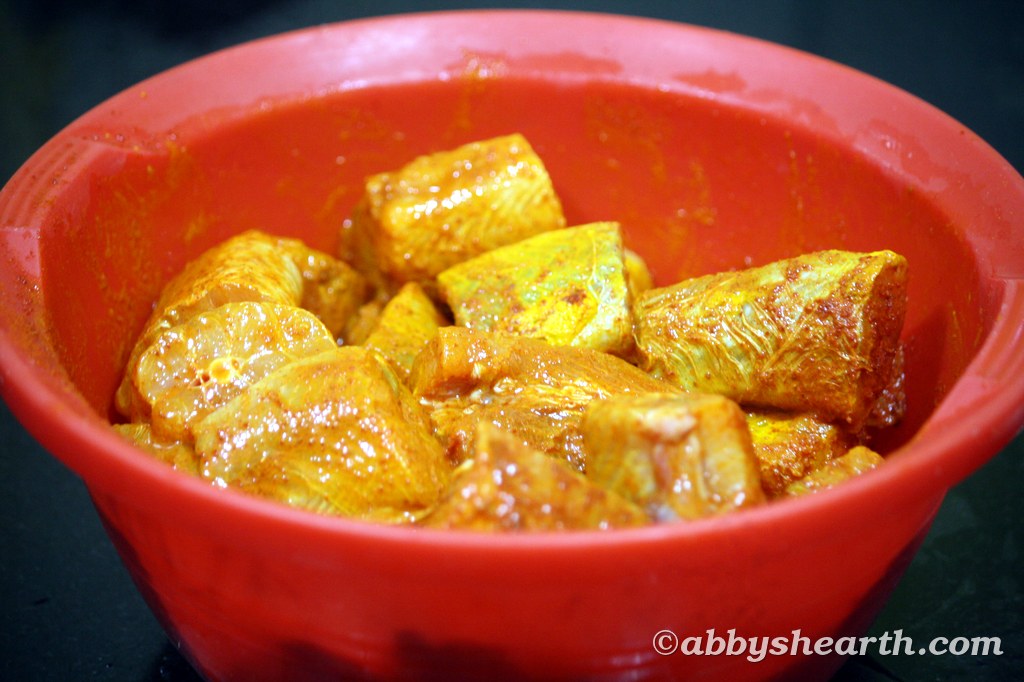
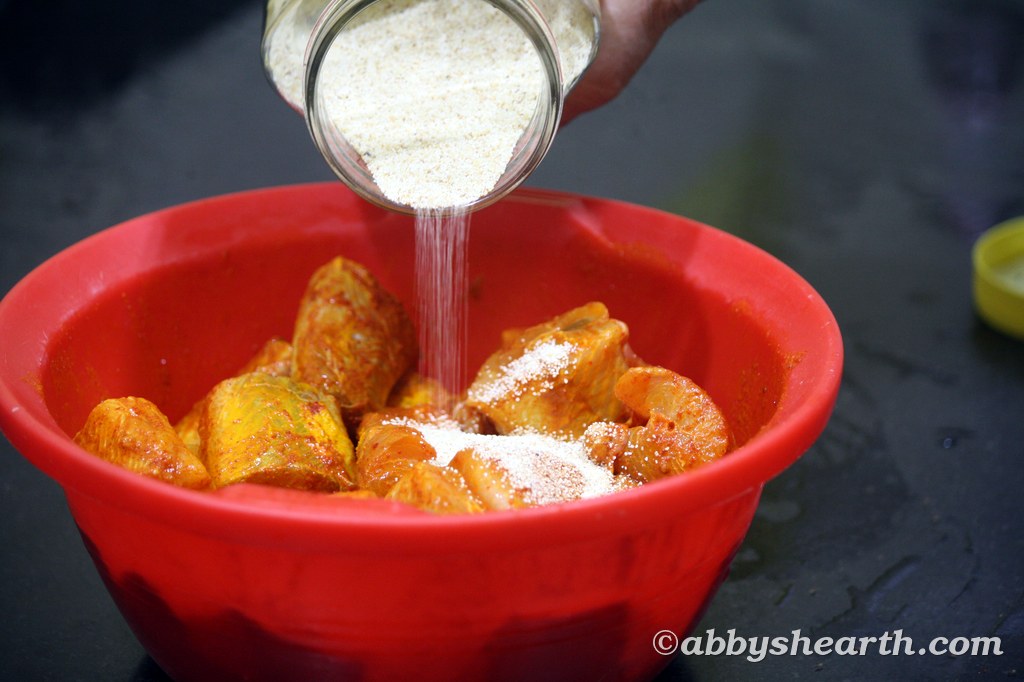
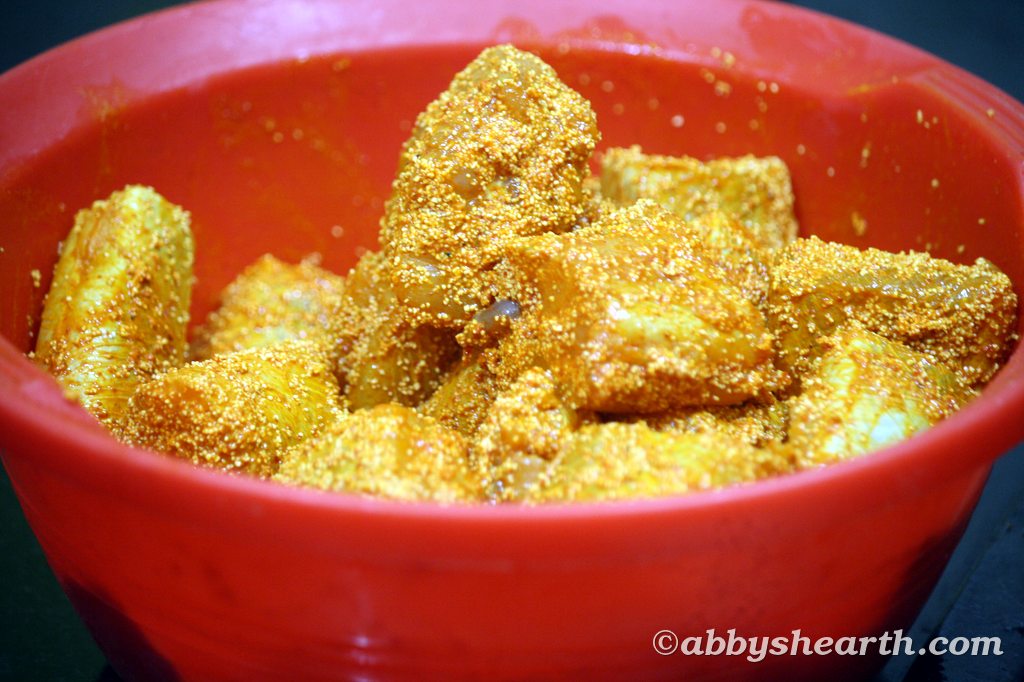
Simply mix the chili powder, turmeric, salt and vinegar/lemon juice with the fish pieces and leave to marinate for ten minutes. After that add semolina and mix well, before frying on both sides till crunchy.
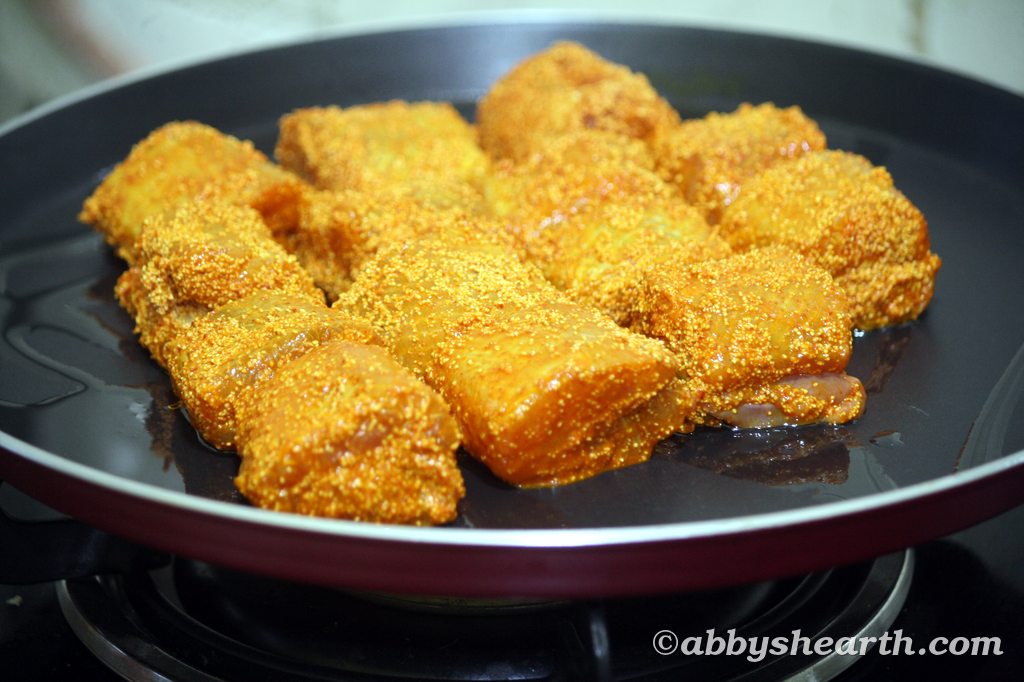
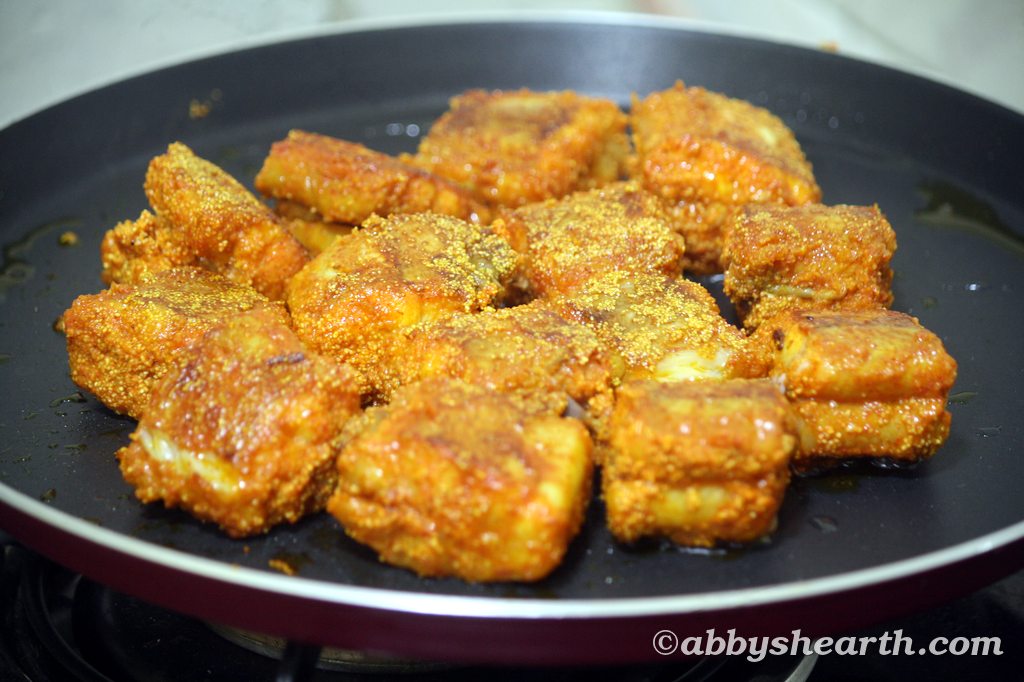
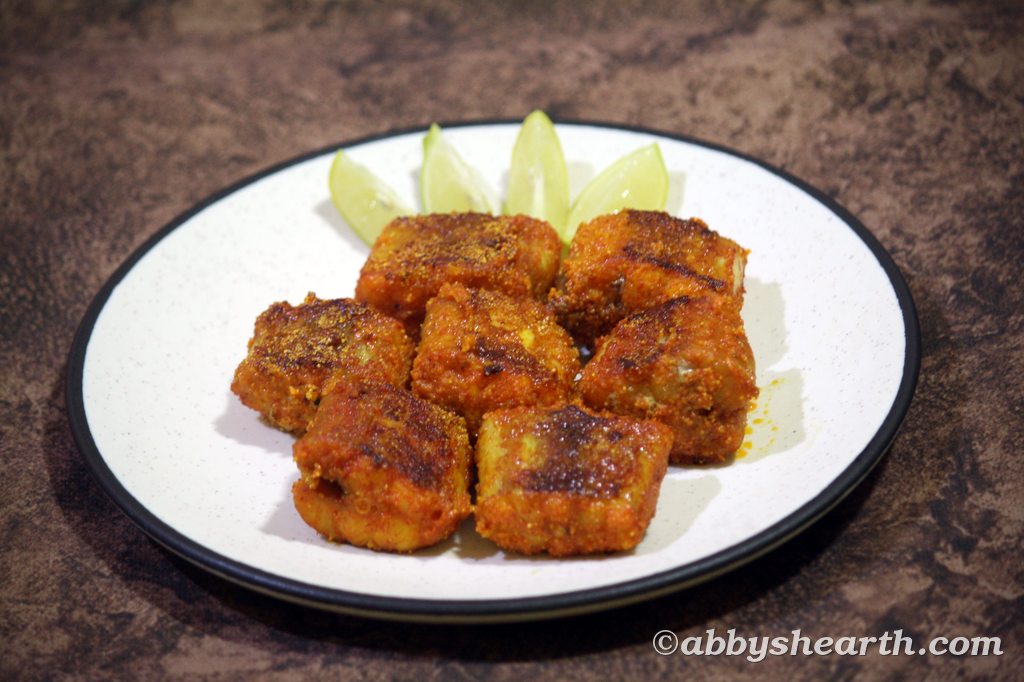
Why the Semolina Crust Works
Semolina is doing the real work here, and timing matters: it goes on just before frying, not during the marinade, so it stays coarse and gives the fry its crunch instead of turning gummy. Skip it, and you’ll get a softer, more curry-adjacent fry rather than a crisp one.
Bottle masala instead of plain red chilli powder is the more traditional East Indian move if you have some on hand. It adds background depth without changing the frying time.

Fried Milk Shark Fish (Mushi)
Click the stars to add your rating! Left you don’t like it, right you love it!

Ingredients
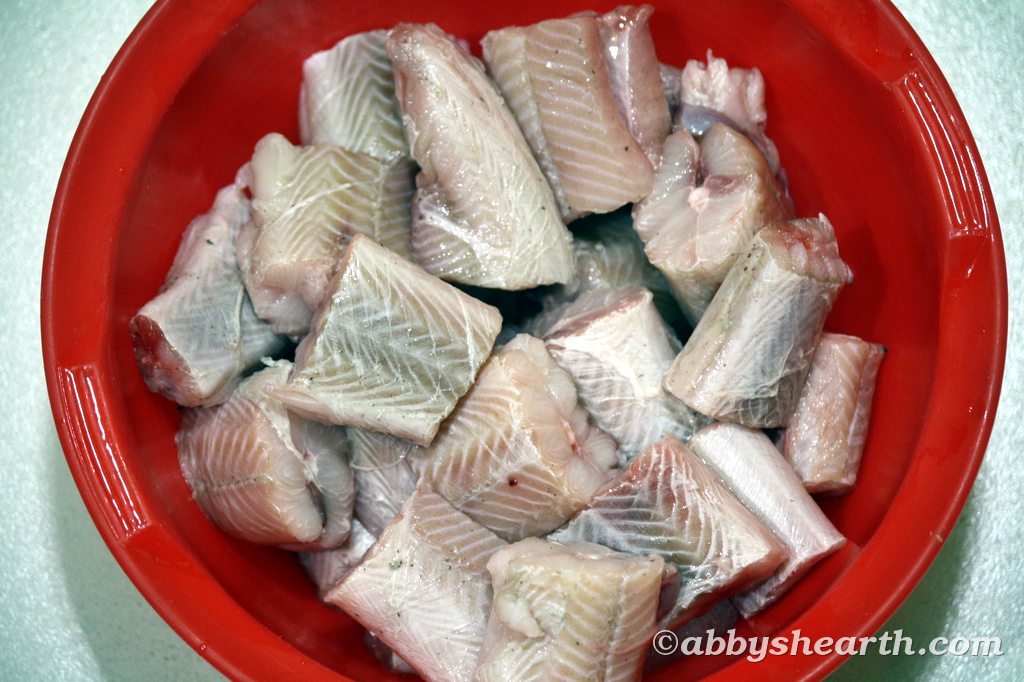
- 4 Mushi (Milk Shark Fish) Skinned and cut into slices
- 0.75 teaspoon Sea salt adjust to taste
- 0.75 teaspoon Turmeric Powder
- 1 teaspoon Red Chili Powder Or Bottle Masala
- 2 teaspoons Vinegar Or lemon juice
- 2 Tablespoons Semolina
- 2 Tablespoons Oil
Instructions
- Wash and clean the shark fish slices and place in a bowl.
- Add salt, turmeric and red chilli powder and mix well. (You can replace the chili powder with bottle masala if you want to.)
- Add vinegar or lemon juice and let marinate for about 10 minutes.
- Just before frying, coat the fish in semolina for a crispier finish.
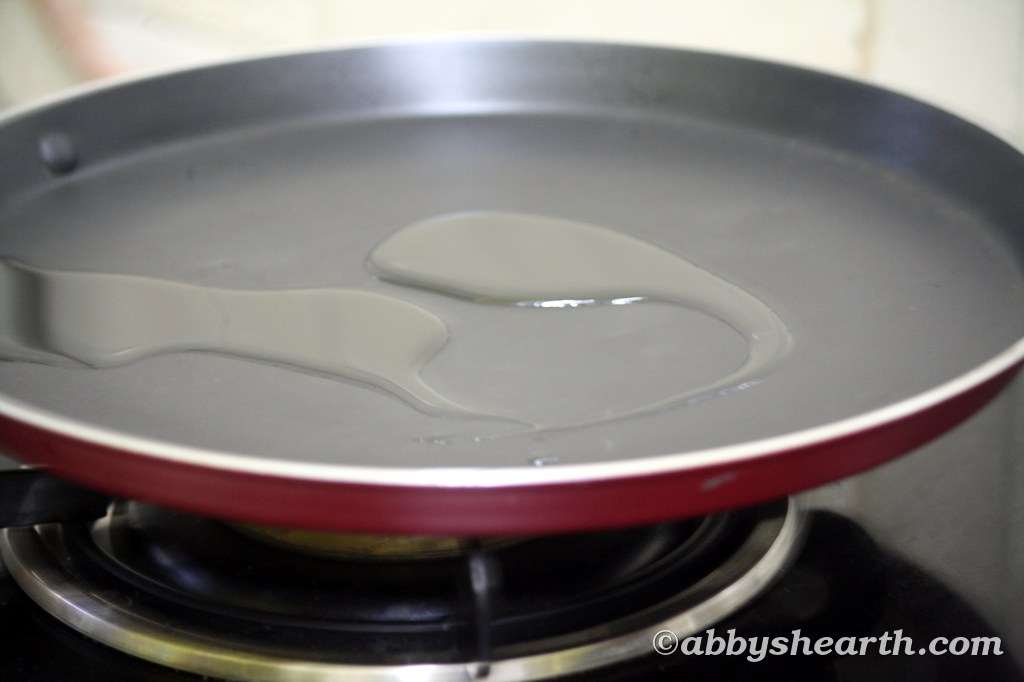
- Heat oil in a frying pan. Once hot, place the fish slices in without crowding the pan.
- Fry for about 4 minutes on one side, then turn and fry the other side.
- Sprinkle with a little extra lemon juice and serve hot.
Please click to rate the recipe! Left you don’t like it, right you love it!
Nutrition (Per Serving)
Disclaimer: Nutrition Information per serving is estimated by a third party software based on the ingredients used, and is for informational purposes only. It will vary from product to product, based on methods of preparation, origin and freshness of ingredients. Please consult the package labels of the ingredients you use, or chat with your dietician for specific details.
This printable recipe card is for home use only. For more recipes head over to AbbysHearth.comServing Suggestions
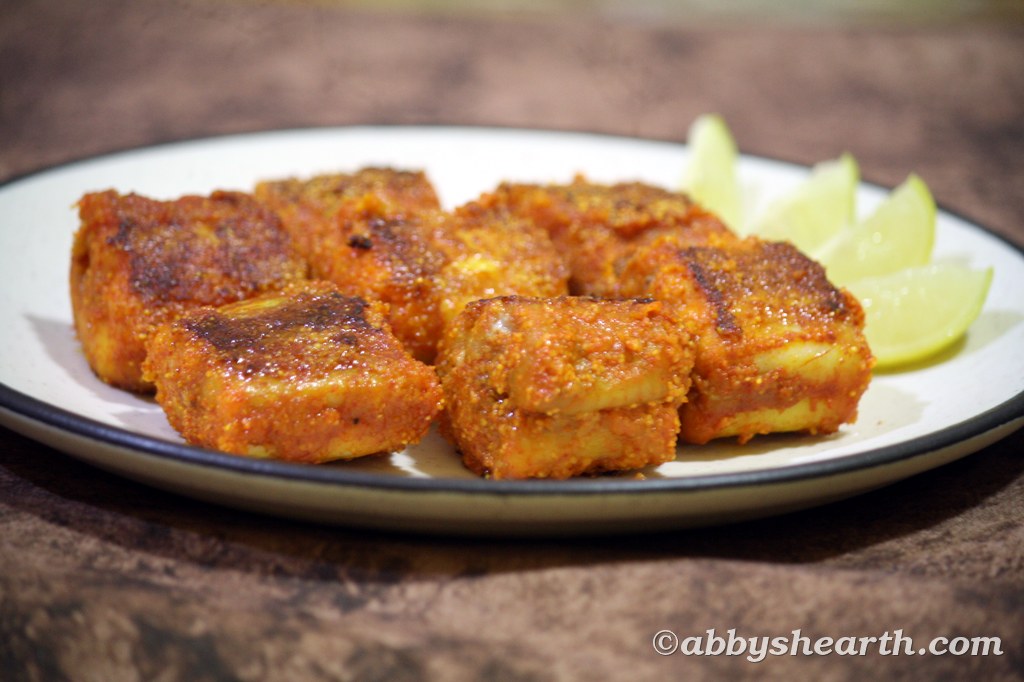
Mushi fry is meant to be eaten hot, straight out of the pan, alongside onion salad, dal and rice or apas — the classic East Indian combination.
FAQs
Can I use a different fish?
Yes. Surmai (kingfish), palla, or pomfret slices work in the same marinade and timing, anything firm enough to hold together in a hot pan.
Why add the semolina right before frying instead of with the marinade?
Semolina left to sit in the wet marinade goes soft and pasty. Coating it just before the pan keeps it coarse, which is what gives the crust its crunch.
Is bottle masala a must?
No, plain red chilli powder works fine too. Bottle masala is the more traditional East Indian substitution if you have it, and adds a bit more depth.
Other Posts You Might Like


Heya, I’m Abby! I’m a Gourmand Award-winning cookbook author and East Indian from Bombay, India. This blog is all about faith, food, and culture – from East Indian recipes to home, DIY, and spending time in the Word. Find out more about me here!